 |
 |
Hydrogen technology and partners
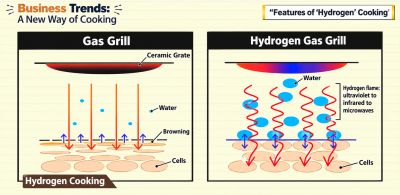
Hydrogen Cooking vs. Gas Stoves: Why Does Food Taste Better?
When hydrogen burns, the chemical reaction produces only water vapor. This property makes hydrogen a unique cooking tool, fundamentally different from traditional gas stoves. According to the Japan Gas Appliances Inspection Association, the hydrogen grill jointly developed by Rinnai and Toyota received the first domestic certification as a demonstration "hydrogen cooking appliance" in December 2024.
Historical Significance of Hydrogen Day 8/10 and Suggestions for Vietnam from VAHC
October 8 Was Chosen Because Hydrogen's Atomic Weight Is 1.008, Abbreviated as 10/08
FCHEA Initiated It in 2014, and It Has Now Become a Global Event with Hundreds of Activities in Many Countries
VAHC Proposes Initiating Vietnam Hydrogen Day from 2027, Tied to APEC 2027 in Phu Quoc
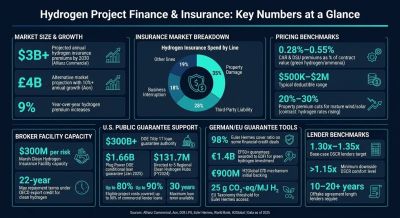
Hydrogen Finance Study: Insurance Trends
New research from Council Fire published on September 3, 2026 shows the hydrogen insurance landscape is shifting fast. If you want to know what gets hydrogen projects financed in 2026, the short answer is: insurance alone is not enough. Track insurance terms, public guarantees, EPC risk and offtake strength as one package.
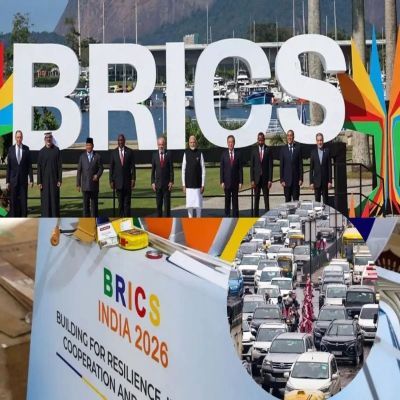
Detailed analysis of the BRICS Joint Report on Hydrogen Value Chains 2026
The BRICS Joint Report on Hydrogen Value Chains 2026 is an official product of the BRICS Energy Working Group, developed under India’s 2026 Chairship and referenced/launched in the context of the 11th BRICS Energy Ministers’ Meeting in Gurugram (June 2026). The UAE contributed through the Working Group.
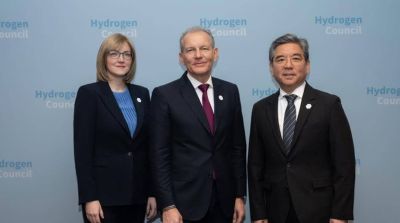
Clean Hydrogen Output Up 70% but Offtake Growth Stalls at 16%, Report Shows
Clean hydrogen production is scaling rapidly with operational capacity up 70% over the past year, but binding demand growth remains well behind, according to the Hydrogen Council's new Global Hydrogen Compass 2026 report.
NATIVE HYDROGEN: THE EARTH'S PRIMORDIAL ENERGY ARCHITECTURE
In the global quest for clean and sustainable energy, most scientific, corporate, and governmental attention is focused on green hydrogen (produced via electrolysis using renewable energy) or grey hydrogen (from natural gas). However, a lesser-known yet profoundly fascinating story with the potential to reshape our understanding of energy is slowly emerging: native hydrogen, also known as white or geologic hydrogen.
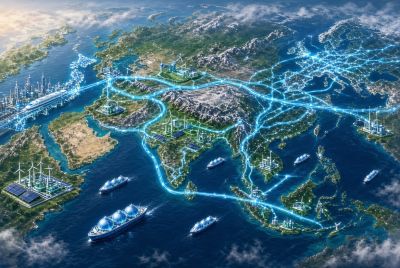
THE WORLD'S "HYDROGEN ARTERIES" ARE TAKING SHAPE
From Fukushima–Fukuoka, Java, China to Vietnam's borders and Europe: The race to build hydrogen transport infrastructure has begun. For many years, the big question for the hydrogen industry was: How can we produce hydrogen at a competitive cost? But now, another question is becoming equally important: How do we deploy hydrogen for long-haul transport at scale, with real trucks, real cargo, real refuelling stations, and stable commercial demand? The answers are gradually emerging in many countries:
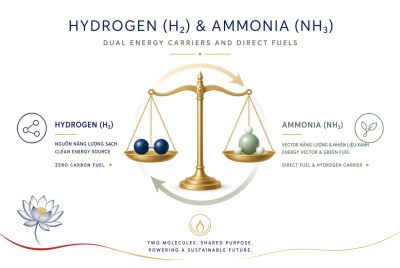
Hydrogen (H₂) and Ammonia (NH₃): Two Sides of the Same Energy Equation – Both Energy Carriers and Direct Fuels
In the context of the energy transition, hydrogen and ammonia are often referred to as "energy carriers" – molecules used to transport and store energy from production sites to consumption points. However, this perspective is becoming increasingly incomplete as both molecules are now being deployed directly as fuels across various sectors, from transportation to power generation. The distinction between "carrier" and "fuel" lies not in the molecular structure, but in the purpose of use and the energy conversion technology applied.
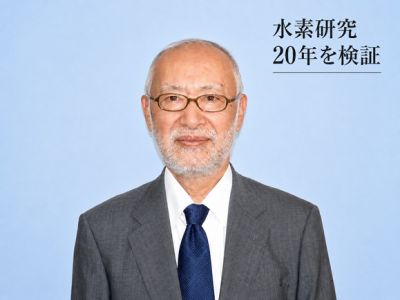
Two Decades of Hydrogen Research: Current Status (Part 3) – From Gut Bacteria to Mechanisms of Action: Unresolved Challenges in Hydrogen Research
Moving forward, it is essential to conduct more large-scale, high-quality randomized controlled trials, verify the reproducibility of research findings, and elucidate the mechanisms by which hydrogen interacts with the human body. Will the accumulation of research confirm the true potential of hydrogen, or will its effects prove limited to specific conditions or contexts? Future research will provide the answer.
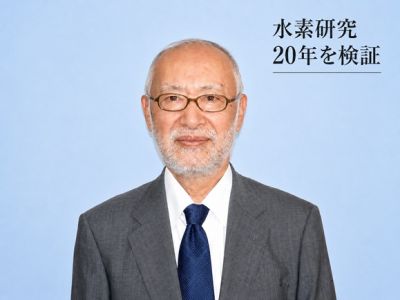
Two Decades of Hydrogen Research: Current Status (Part 2) – From Hydrogen Water to Jelly: Potential and Limitations Revealed by Clinical Studies
As discussed previously, hydrogen water became a social issue around 2016 due to concerns regarding hydrogen concentrations in products and advertising claims that went beyond established scientific evidence. Since then, some improvements have been observed in products, and "Foods with Function Claims"—which designate hydrogen as a functional ingredient—have appeared on the market.

Research and Application of Hydrogen Fuel Cells to Replace Diesel in Open-Pit Mining Equipment to Reduce Environmental Pollution
Vietnam's coal mining industry, particularly in the Quang Ninh region, is facing a severe environmental challenge due to substantial emissions from transport and mining equipment using diesel engines. According to the Vietnam National Coal and Mineral Industries Group (TKV), the volume of waste rock and soil in Quang Ninh alone reaches 150 million m³ annually. To transport this volume, TKV operates numerous heavy-duty trucks, with payloads ranging from 58 to 100 tons, and has
recently tested 130-ton electrically driven trucks.
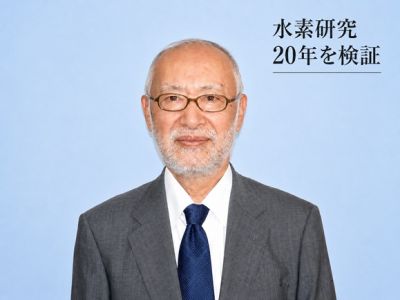
Hydrogen Research at 20 Years: A Progress Report (Part 1) – University of Tokyo Professor Emeritus Karaki Reviews the Latest Science, "Promising but Still Developing"
It has been over a decade since "hydrogen water" became a major craze, igniting fierce debates over its health benefits. While products touting their effects flooded the market, skeptical voices questioning the scientific basis grew equally strong. In 2013, the magazine Shukan Bunshun made waves with a provocative cover story, independently measuring the hydrogen concentration of commercial hydrogen water and supplements, dividing them into "real" and "fake" categories. This sparked heated arguments and rebuttals from manufacturers, eventually drawing in the National Consumer Affairs Center for product testing and the Consumer Affairs Agency for administrative actions.

Cargo airships: a new direction for Vietnam's low-altitude economy
These past few days, the skies over Cà Mau have been filled with vibrant colors from 34 hot air balloons at the festival held here for the first time, attracting thousands of locals and tourists. This event not only offers a novel tourism experience but also hints at a much larger potential: using airships as cargo transport vehicles in Vietnam's emerging low-altitude economy.
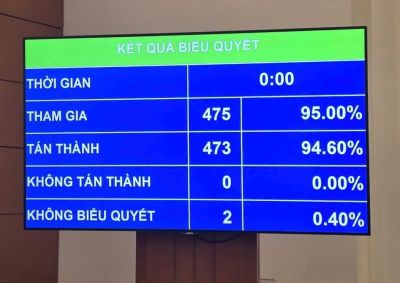
ANALYSIS OF THE OIL AND GAS LAW (AMENDED) 2026: CCUS AND NATURAL HYDROGEN - A STRATEGIC SHIFT TOWARD A MODERN ENERGY INDUSTRY
On August 23, 2026, the National Assembly of Vietnam officially passed the amended Oil and Gas Law with an approval rate of 94.6% (473 out of 475 delegates). More than a technical revision, this 12-chapter, 62-article law marks a strategic shift: from a legal framework for traditional resource extraction to building a solid legal foundation for a modern energy industry, with a focus on sustainable development and climate change response.
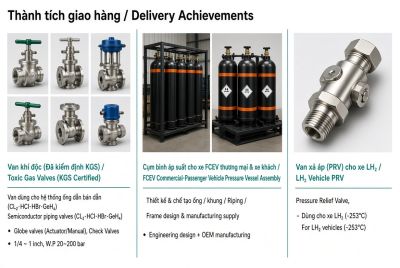
UNIHYS: South Korea's leading safe hydrogen connection solution provider, pioneering compliance with new KGS standards
UNIHYS is a specialized manufacturer of connection solutions for the hydrogen, LNG, and high-pressure industrial gas industries. Established on July 1, 2024, in Busan, South Korea, the company has rapidly established its position with KGS (Korea Gas Safety Corporation)-certified products and international collaborations.
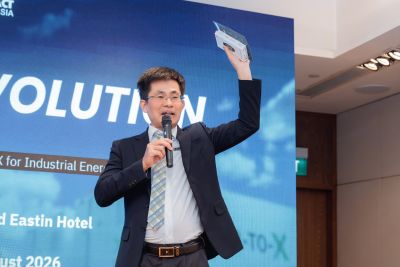
POWER-TO-X IN VIETNAM: FROM ELECTRICITY TO GLOBAL VALUE
On August 20, 2026, the "Energy Evolution" event took place at the Eastin Grand Hotel in Ho Chi Minh City, organized by Phoenix Contact Group in collaboration with the Vietnam ASEAN Hydrogen Club (VAHC) . The event brought together leading experts in energy and automation, focusing on the role of hydrogen and Power-to-X technology in the global energy transition strategy . This was not merely a technology event but potentially a milestone marking the beginning of a broader dialogue on how Vietnam will participate in the regional and global Hydrogen and Power-to-X economy.
Hydrogen Energy and Human Survival on the Moon and Mars
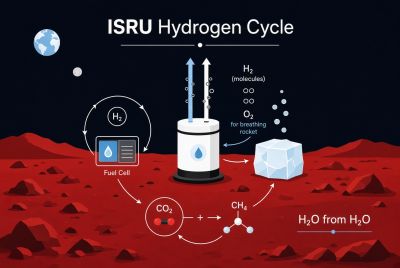
As humanity begins to contemplate long-term settlement on the Moon and Mars, questions about energy and survival become paramount. If the Moon is a stepping stone, Mars represents the ultimate challenge, and hydrogen is the key to both. Not just an energy source, hydrogen plays a central role in a closed-loop cycle, allowing humans to utilize local resources on the Red Planet to survive and thrive.
Governor Kotaro Nagasaki and the Green Hydrogen Vision: Global Connections from Yamanashi
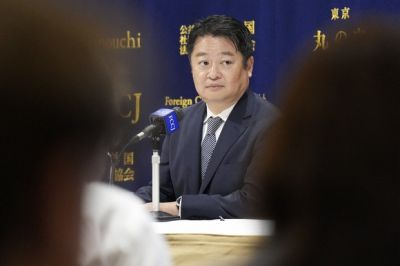
Yamanashi Prefecture, at the foot of Mount Fuji, is not only famous for its natural landscapes but is also asserting Japan's pioneering position in the field of green hydrogen. Leading this strategy is Governor Kotaro Nagasaki, who has been actively promoting a global green hydrogen vision, transforming Yamanashi into a technology hub and an ambitious international cooperation bridge.
|
|
|
Vietnam ASEAN Hydrogen Club (VAHC) Contact Information: Secretariat of VAHC Club Zalo number: 093 691 7386 Email: contact@vahc.com.vn |
Addres: Unit 5.8, 5th Floor, Indochina Park Tower, 4 Nguyen Dinh Chieu Street, Tan Dinh ward, Ho Chi Minh City, Vietnam Facebook: click here Website: vahc.com.vn |