

Two Decades of Hydrogen Research: Current Status (Part 2) – From Hydrogen Water to Jelly: Potential and Limitations Revealed by Clinical Studies
September 1, 2026 | Annie Nguyen compiled from Wellness Daily News
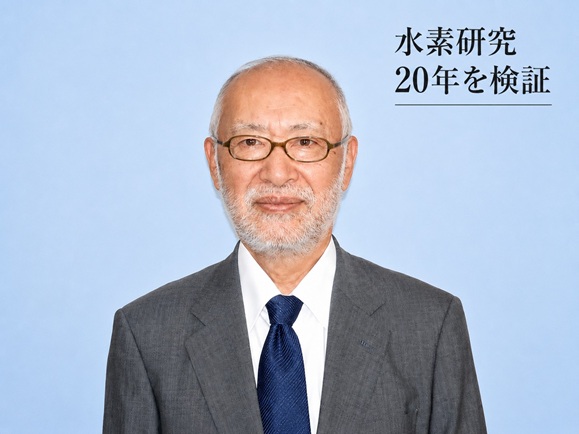
Hideaki Karaki, Professor Emeritus, The University of Tokyo
Looking back at approximately two decades of hydrogen research, a wide range of studies has been conducted, spanning from hydrogen gas inhalation in medical settings to hydrogen water, a product familiar to the general public.
As discussed previously, hydrogen water became a social issue around 2016 due to concerns regarding hydrogen concentrations in products and advertising claims that went beyond established scientific evidence. Since then, some improvements have been observed in products, and "Foods with Function Claims"—which designate hydrogen as a functional ingredient—have appeared on the market.
So, how far have clinical studies on hydrogen water itself progressed over these nearly twenty years? It is crucial to distinguish between the mere existence of research on hydrogen water and the establishment of proven health benefits.
A review of actual research reveals instances where promising results from small-scale clinical trials could not be replicated in larger-scale studies. Conversely, there are areas where meta-analyses—which integrate data from multiple studies—have reported trends indicating some degree of improvement.
It is necessary to evaluate the current scientific evidence by carefully considering factors such as the study subjects, trial scale, and assessment criteria.
Parkinson’s Disease: Improvement Seen in Small-Scale Trials
Research on Parkinson’s disease serves as a prime example that illustrates both the progress and the challenges associated with clinical studies on hydrogen water.
Parkinson’s disease is a neurodegenerative disorder caused by a reduction in neurons that produce dopamine—a neurotransmitter—in the brain; this leads to symptoms such as tremors in the limbs, muscle rigidity, and slowness of movement. Given that oxidative stress is believed to play a role in the disease's pathology, studies were conducted to investigate the effects of hydrogen water. In a double-blind, randomized controlled trial conducted in Japan in 2013, 17 patients were divided into two groups: one consuming 1 liter of hydrogen water daily for 48 weeks, and the other consuming placebo water.
The results showed an improvement in the index used to assess Parkinson's disease severity in the hydrogen water group, whereas the condition worsened in the placebo group. The difference between the two groups was statistically significant. Although small in scale, the study yielded results suggesting the efficacy of hydrogen water.
However, in clinical research, it is crucial to verify whether results obtained in small-scale trials can be replicated in studies involving larger patient populations.
Consequently, a larger-scale double-blind, randomized controlled trial involving multiple medical institutions across Japan was conducted. Approximately 178 participants consumed either 1 liter of hydrogen water or placebo water daily for 72 weeks to evaluate the impact on symptoms. The results, however, differed from those of the initial small-scale trial; no statistically significant difference was observed between the hydrogen water group and the placebo group regarding the primary outcome measures.
While improvement was confirmed in the trial involving 17 patients, the effect could not be replicated when the study was expanded to a scale roughly ten times larger.
One cannot conclude simply from these results that the initial study was incorrect; factors such as differences in the patients' conditions and the trial parameters must also be considered. Nevertheless, this case illustrates the difficulty of judging efficacy based solely on the results of small-scale clinical trials.
Inconsistent Research Results Regarding Exercise-Induced Fatigue
The relationship between hydrogen water, athletic performance, and fatigue has also been studied, as this topic is more closely related to general health.
Physical exercise leads to an increase in reactive oxygen species within the body. Since excessive oxidative stress may be linked to muscle fatigue and muscle damage, research has been conducted focusing on the antioxidant properties of hydrogen. A study published in 2012 involved ten young male soccer players who consumed either 1.5 liters of hydrogen water or a placebo before exercise; researchers then compared post-exercise blood lactate levels and muscle fatigue. The results showed that consuming hydrogen water suppressed the rise in blood lactate and mitigated the decline in muscle function.
Subsequent research has continued to focus on exercise, examining various indicators such as endurance, muscle fatigue, blood lactate levels, and oxidative stress.
However, these studies have involved small sample sizes, and there has been no standardization regarding hydrogen water concentration, intake volume, duration of consumption, exercise intensity, or evaluation methods.
In 2024, a systematic review and meta-analysis were published, summarizing studies that investigated the effects of hydrogen water consumption on athletic performance and fatigue recovery.
The findings indicated that hydrogen water might improve certain markers, such as subjective feelings of fatigue and blood lactate levels. However, no clear improvements were observed in indicators of athletic performance, such as maximal oxygen uptake. In short, the evidence does not support a simple conclusion that drinking hydrogen water enhances athletic performance.
Regarding fatigue, results vary depending on how "fatigue" is defined and measured. Subjective feelings of fatigue, blood lactate levels, muscle strength, and endurance are distinct indicators. While there are indications of a potential link between hydrogen water and fatigue, larger, high-quality trials with standardized participant groups and intake conditions are required.
**Signs of Improvement in Lipid Metabolism**
Research has also explored the relationship between hydrogen water, lipid metabolism, and metabolic syndrome.
Metabolic syndrome is a condition characterized by the clustering of high blood pressure, high blood sugar, and lipid abnormalities—underpinned by the accumulation of visceral fat—which increases the risk of cardiovascular disease and diabetes. Chronic inflammation and oxidative stress are believed to play a role in these conditions, and multiple clinical studies have been conducted to investigate the effects of hydrogen water.
Early studies involved having patients with hypercholesterolemia or metabolic syndrome consume hydrogen water over a set period while researchers monitored blood lipid levels and markers of oxidative stress. These studies yielded reports suggesting improvements in parameters such as total cholesterol and LDL cholesterol.
Subsequently, meta-analyses combining data from multiple clinical trials have also been conducted. A meta-analysis published in 2024 reported a trend toward reduced total cholesterol, LDL cholesterol, and triglycerides associated with hydrogen water consumption.
However, caution is warranted here as well.
While meta-analyses integrate results from multiple studies—offering potentially greater reliability than looking at a single small-scale study—there are limits to interpreting the results if the underlying studies are small or differ in terms of participants, hydrogen water dosage, or duration of intake.
Furthermore, a statistically significant improvement in lipid levels does not necessarily mean a reduction in the incidence of events such as myocardial infarction or stroke.
Although there are indications that hydrogen water may influence lipid metabolism, further investigation is required to determine its clinical significance.
Clinical Research on COVID-19
Research involving hydrogen was also conducted during the COVID-19 pandemic.
Given that inflammatory responses and oxidative stress contribute to the progression of severe COVID-19, studies focused on the anti-inflammatory and antioxidant properties of hydrogen.
In China, clinical research was conducted on a treatment involving the inhalation of a hydrogen-oxygen gas mixture, with reports suggesting improvements in symptoms such as dyspnea (shortness of breath).
Studies involving COVID-19 patients and hydrogen water are also underway. However, even regarding hydrogen research focused on COVID-19, there are limitations in terms of trial scale and study design; hydrogen has not been established as a standard treatment.
When a new disease emerges, it is meaningful to conduct research on substances that show promise based on existing knowledge. However, one must distinguish between the stage where something has merely been "studied" or shown "results suggesting improvement" and the stage where its efficacy as a treatment has been firmly established.
It’s Not Just "Hydrogen Water"
Hydrogen water is not the only method for the oral intake of hydrogen.
Hydrogen molecules are extremely small; even when dissolved in water, they tend to escape over time. "Hydrogen jelly" was developed to address this weakness.
Hydrogen jelly is a food product designed to retain hydrogen for a longer period than hydrogen water by trapping the gas within a jelly-like base.
In Japan, 2023 saw the first public notification of a "high-concentration hydrogen jelly"—containing hydrogen molecules as the functional ingredient—as a "Food with Function Claims." The notified claims relate to sleep and stress, and the product is designed for the consumption of one stick (containing 0.9 mg of hydrogen molecules) per day.
So, to what extent has the efficacy of hydrogen jelly been confirmed?
In 2026, a research group at Hiroshima University published the results of a randomized, double-blind, placebo-controlled trial examining the effects of hydrogen jelly on healthy adults.
Participants were divided into a hydrogen jelly group and a placebo group; after consuming the product for a set period, researchers compared various indicators related to sleep and stress. The results showed that while the hydrogen jelly group exhibited improvements in certain areas compared to baseline, the placebo group also showed similar improvements in some categories, and for certain indicators, no clear difference was observed between the two groups.
There are two possible interpretations of these results.
One interpretation is that the hydrogen jelly itself lacked efficacy. Another possibility is that, because the study evaluated metrics involving subjective factors—such as sleep and stress—in healthy individuals, the placebo effect was substantial enough to mask any changes actually caused by the hydrogen jelly. This study alone cannot determine which explanation is correct.
However, this issue touches upon the broader challenge of evaluating the efficacy of health foods. While placebo-controlled trials are the standard method for verifying pharmaceutical efficacy, health foods often have relatively subtle effects; if the placebo effect is significant, it can obscure even the genuine, albeit minor, effects of the product. The author identifies this as one of the limitations of placebo-controlled trials.
Therefore, while the lack of a statistically significant difference between the hydrogen jelly group and the placebo group is a crucial finding, one must be cautious about concluding that hydrogen jelly has no effect based solely on this result. A comprehensive assessment is required, taking into account the effects observed in *in vitro* and animal studies.
Of course, efficacy cannot be determined simply by looking at improvements before and after consumption; comparison with a placebo group (which does not contain hydrogen) is essential. At the same time, it is necessary to acknowledge that there may be effects that a placebo-controlled trial alone cannot capture. This perspective is indispensable when evaluating the efficacy of health foods.
Hydrogen-generating supplements: Producing hydrogen in the gut
Hydrogen-containing supplements deliver hydrogen to the body using a different method than hydrogen water or hydrogen jelly. A common approach involves the use of metallic magnesium, which generates hydrogen through a reaction with moisture in the stomach.
With hydrogen water, the maximum amount of hydrogen delivered is limited to the quantity dissolved in the water at the time of consumption. In contrast, because supplements generate hydrogen within the digestive tract, specific formulations may potentially deliver a greater amount of hydrogen than hydrogen water. Indeed, studies involving magnesium-containing supplements have confirmed an increase in breath hydrogen concentration following ingestion.
This occurs because hydrogen absorbed from the intestinal tract is transported throughout the body via the bloodstream, with a portion subsequently exhaled through the lungs. However, regarding hydrogen-containing supplements, confirming that hydrogen is generated within the body is a separate matter from establishing that this yields health benefits.
How much hydrogen can actually be generated? To what extent is it absorbed by the body? For what kind of health conditions, and at what dosage and duration of intake, can effects be expected? Sufficient clinical data regarding these points is not yet available.
"Statistically Significant Difference" Is Not the Whole Story
Looking at the research to date, there are clinical trials suggesting certain benefits from hydrogen intake, such as through hydrogen water. However, evaluating these results is not straightforward.
In research on Parkinson's disease, significant improvement was observed in a trial involving 17 participants, but this result was not replicated in a subsequent multi-center trial involving approximately 178 participants.
Regarding exercise and fatigue, while improvements are seen in some metrics, this does not mean that all aspects of athletic performance improve. As for lipid metabolism, meta-analyses have reported a trend toward improvement, but it remains unclear whether this translates into actual disease prevention.
Even with hydrogen jelly, if improvements are observed before and after consumption, one must be cautious about concluding that hydrogen itself has no effect simply because there was no difference compared to a placebo group exist.
When examining clinical studies, it is necessary to look beyond the mere statement that a "significant difference" was found. One must also verify details such as the number of participants, whether a control group was included, whether randomization or double-blinding was employed, and whether the difference appeared in the primary outcome measure or merely among a subset of participants or in secondary indicators.
The increase in the number of studies indicates progress in hydrogen research. However, a greater number of studies does not automatically establish efficacy.
Furthermore, a major question remains regarding hydrogen.
This is because the human body produces significant amounts of hydrogen daily through the action of gut bacteria, even without the consumption of hydrogen water or hydrogen jelly.
Comparing the amount of hydrogen ingested from external sources with the amount routinely produced within the gut reveals a surprising disparity. If there is indeed value in ingesting hydrogen externally, it may not be explainable by "quantity" alone.
In the next installment, we will compare hydrogen produced by gut bacteria with externally ingested hydrogen, while considering the biggest unanswered question in hydrogen research and the current understanding of its safety and efficacy.
● References and Information Sources (Selected)
Hydrogen Water
・ "Hydrogen Water" for Drinking: Packaged Products and Generator-Produced Water (National Consumer Affairs Center of Japan Press Release, December 2016)
・ Biological Effects of Hydrogen Water on Subjects with NAFLD: A Randomized, Placebo-Controlled Trial (PubMed)
・ The effects of 6-month hydrogen-rich water intake on molecular and phenotypic biomarkers of aging in older adults (ScienceDirect)
・ Jamialahmadi, H. et al. The Effects of Hydrogen-Rich Water on Blood Lipid Profiles in Metabolic Disorders Clinical Trials: A Systematic Review and Meta-analysis. International Journal of Endocrinology and Metabolism 22(3), e148600 (2024)
・ Todorovic, N. et al. The Effects of Hydrogen-Rich Water on Blood Lipid Profiles in Clinical Populations: A Systematic Review and Meta-Analysis. Pharmaceuticals 16(2), 142 (2023)
・ Ye, H. et al. The effect of hydrogen-rich water interventions on lipid profiles in adults with overweight or obesity and associated metabolic disorders: a systematic review and meta-analysis of randomized controlled trials. Diabetology & Metabolic Syndrome 18, 114 (2026)
・ Hydrogen Water Is Not “the New Nutrient;” Health Claims Are Hype, Not Science (Science-Based Medicine)
・ FDA GRAS Notice 520: Hydrogen Gas (GRAS notification regarding hydrogen addition to beverages)
・ Search for Foods with Functional Claims Notifications (Consumer Affairs Agency)
・ List of Foods with Functional Claims Containing Hydrogen Molecules (Health Food Ingredient Search Site: Balbal)
・ A Japan First! Reducing Temporary Daily Fatigue with [Hydrogen Water]: "Delicious Water Packed with Hydrogen" (on sale for 20 years) Relaunched as a Food with Functional Claims (Melodian Harmony Fine Press Release, 2026)
・ Notification Information for "Delicious Water Packed with Hydrogen" (K933) as a Food with Functional Claims (Balbal)
・ First Food with Functional Claim Containing Hydrogen Accepted (Wellness Research Institute Report Online)
・ A Japan First! "High-Concentration Hydrogen Jelly" featuring "hydrogen molecules" as the functional ingredient—relaunched in June as a Food with Functional Claims! (Shinryo Corporation press release, 2023)
・"High-concentration hydrogen jelly" is generating buzz... claims regarding its benefits are spreading (note, by hal)
・International Hydrogen Standardization Association (IHSA): "Definitions, Standards, and Certification for Hydrogen Measurement" (published September 15, 2017)
・Ogawa, S. et al.: "Dissolved Hydrogen Concentration in Commercial Drinking Water: A Comparison of Hydrogen Water Products." *Bulletin of Hokuriku University*, No. 54, 2023
・Yoritaka, A. et al.: "Pilot study of H2 therapy in Parkinson’s disease: A randomized double-blind placebo-controlled trial." *Movement Disorders* 28(6), 836–839 (2013)
・Yoritaka, A. et al.: "Randomized, double-blind, multicenter trial of hydrogen water for Parkinson’s disease." *Movement Disorders* 33(9), 1505–1507 (2018)
・Zhou, K. et al.: "Effects of molecular hydrogen supplementation on fatigue and aerobic capacity in healthy adults: A systematic review and meta-analysis." *Frontiers in Nutrition* 10, 1094767 (2023)
・Zhou, K. et al.: "Can molecular hydrogen supplementation enhance physical performance in healthy adults? A systematic review and meta-analysis." *Frontiers in Nutrition* 11, 1387657 (2024)
・Gaboreau, Y. et al.: "Molecular Hydrogen for Outpatients with COVID-19 (Hydro-COVID): A Phase 3 Randomised, Triple-Blinded, Pragmatic, Placebo Controlled, Multicentre Trial." *Journal of Clinical Medicine* 13(15), 4308 (2024)
・Ito, M. et al.: "Drinking hydrogen water and intermittent hydrogen gas exposure, but not lactulose or continuous hydrogen gas exposure, prevent 6-hydroxydopamine-induced Parkinson’s disease in rats." *Medical Gas Research* 2, 15 (2012) (Includes data on changes in blood hydrogen concentration over time after hydrogen consumption)
・Nakao, A. et al. Effectiveness of hydrogen rich water on antioxidant status of subjects with potential metabolic syndrome — an open label pilot study. Journal of Clinical Biochemistry and Nutrition 46(2), 140–149 (2010)
・"Mitigating effects of high-concentration hydrogen water on fatigue caused by daily tasks and mental workloads" Jpn Pharmacol Ther 46(4), 581–597 (2018) (Paper serving as the basis for the notification of "Foods with Function Claims" product K933; crossover study involving 23 subjects)
・Paper Evaluation Committee submits information regarding concerns to the Consumer Affairs Agency; flaws pointed out in the paper supporting Shinryo's "High-Concentration Hydrogen Jelly" (Wellness Daily News)
・Hydrogen Water | Pseudoscience | Gijika.com (Wayback Machine archive)
・Consumer Affairs Agency: "Regarding administrative action against Naturally Plus Co., Ltd.," March 9, 2016 (Wayback Machine archive)
・Consumer Affairs Agency: "Order based on the Act against Unjustifiable Premiums and Misleading Representations issued to three companies selling hydrogen-related foods," announced March 3, 2017 (Targeted companies: Mahalo Co., Ltd., Melodian Harmony Fine Co., Ltd., Chiyoda Pharmaceutical Industry Co., Ltd.) (Wayback Machine archive)
・"Japan Meat / Referred to prosecutors for violating the PMD Act [Pharmaceuticals and Medical Devices Act] in promotional materials for 'hydrogen water'" Ryutsu News, June 27, 2017
・Consumer Affairs Agency: "Regarding orders based on the Act against Unjustifiable Premiums and Misleading Representations issued to four companies providing sales and rental services for hydrogen water generators," announced March 30, 2021
Hydrogen-containing supplements
・Using oral molecular hydrogen supplements to combat microinflammation in humans: a pilot observational study (Med Sci, 2024)
・Clinical Applications of Magnesium Hydride (IntechOpen)
・Are the "effects" of hydrogen supplements a lie? An overview covering reviews, side effects, and effective consumption methods (Hydrogen Health Utilization Research Institute)
・Nishide, A. et al. The effect of the intake of a hydrogen-rich jelly supplement on the quality of sleep and antioxidative stress in healthy adults: A randomized double-blind placebo-controlled parallel-group trial. Jpn. Pharmacol. Ther. 48, 1641–1646 (2020) (The paper serving as the basis for the notification of the "High-Concentration Hydrogen Jelly" [H1120] as a Food with Function Claims; the original text is available on the Consumer Affairs Agency's notification information search site.)
・Higashikawa, F. & Kanno, K. Individual variability in hydrogen-producing microbes influences the response to hydrogen supplementation on sleep quality: a randomized, double-blind, placebo-controlled, parallel study. Scientific Reports 16, 23337 (2026)
(To be continued)
Hideaki Karaki
Professor Emeritus, The University of Tokyo; Doctor of Agriculture. Graduated from the Department of Veterinary Medicine, Faculty of Agriculture, The University of Tokyo. Has served as a professor at the same university, a member and vice-president of the Science Council of Japan, and an expert committee member and expert witness for the Food Safety Commission of the Cabinet Office. Conducts extensive research and public outreach regarding food safety and the evaluation of the efficacy and safety of health foods. Currently serves as Representative of the Association for Improving Trust in Food and Representative of the Research Group on Testing Methods for Health Foods.