

Vietnam’s International Financial Centre Officially Launches — A New Growth Engine for Hydrogen and New Energy
Date: February 11, 2026
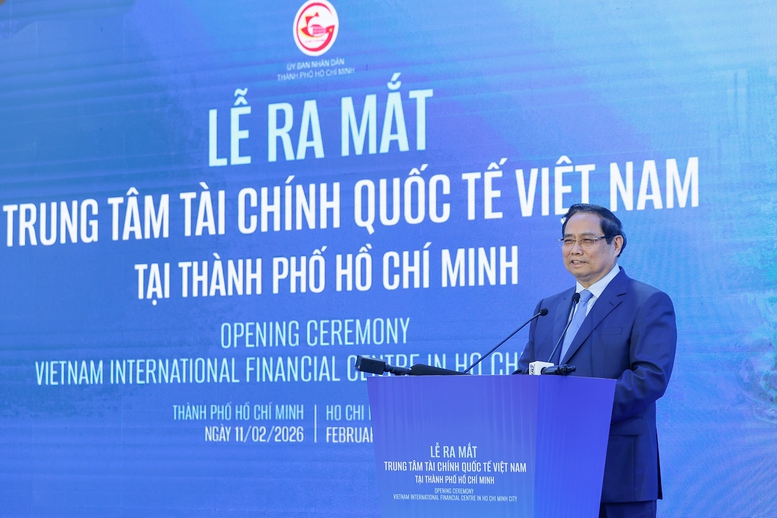
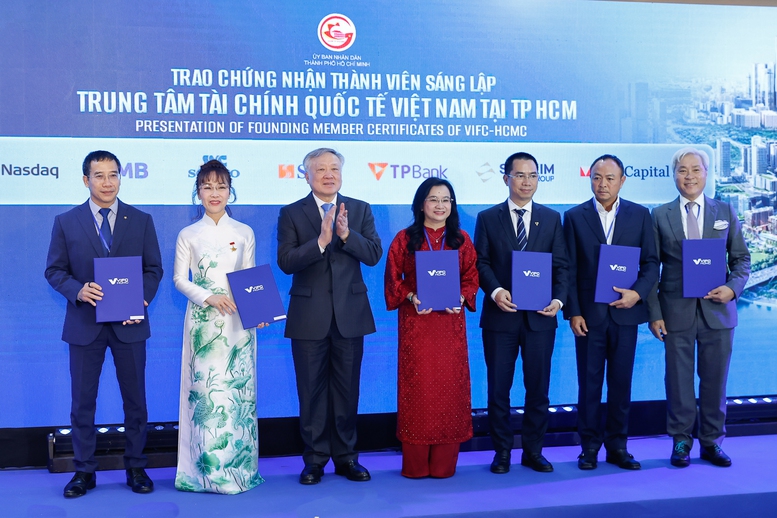
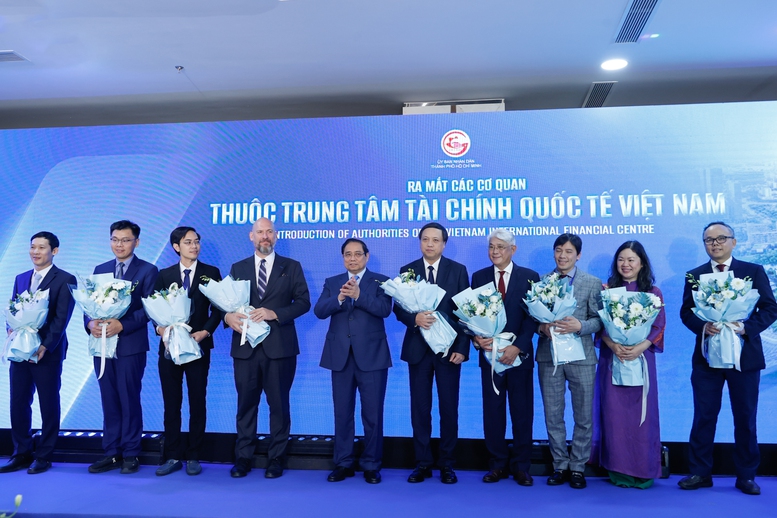
Today, Vietnam officially inaugurated the Vietnam International Financial Centre (VIFC) in Ho Chi Minh City, with Prime Minister Pham Minh Chinh attending the launch ceremony and marking a major milestone in the nation’s economic integration and financial modernization. The event underscores Vietnam’s commitment to building a transparent, globally connected capital market ecosystem capable of attracting foreign and domestic investment alike.
The VIFC — covering a large financial district area in Ho Chi Minh City — aims to develop a deep, liquid capital market with diverse financial products, ranging from international equity and bond markets to digital finance and trade finance services. Its framework is designed to connect Vietnam more seamlessly to global financial flows, provide robust dispute resolution mechanisms, and strengthen investor confidence.
1. Unlocking Capital for Clean Energy and Hydrogen Projects
Hydrogen and other clean energy sectors are capital-intensive and need long-term, patient capital to scale technologies like electrolysis, storage, and distribution infrastructure. The VIFC will enable issuance of green bonds, sustainability-linked financing, and project finance structures that can attract global institutional investors looking for climate-aligned returns. By listing and trading such instruments within the VIFC ecosystem, Vietnam can de-risk investments in hydrogen, renewable power, and related industrial supply chains.
2. Facilitating Innovative and Sustainable Financial Products
One strength of the VIFC is its focus on innovation in financial services, including fintech-driven platforms, digital banking, cross-border instruments, and sustainable finance solutions. These capabilities allow tailored products for new energy markets, such as carbon credits, renewable energy certificates, and derivative hedging tools for commodity and energy price volatility — essential for hydrogen project economics and investor confidence.
3. Enhancing Global Partnerships and Standards
By aligning with global financial standards, the VIFC can serve as a bridge between Vietnam and international capital markets. This includes participation from global banks, asset managers, and climate finance institutions, which are increasingly allocating capital to energy transition priorities. Through the VIFC, Vietnam can attract strategic partnerships and consortium financing that accelerate both hydrogen production hubs and broader clean energy deployment.
4. Providing an Institutional Framework for Long-Term Growth
The presence of a dedicated financial centre with clear governance structures boosts institutional credibility for investors considering long-term, infrastructure-scale projects like green hydrogen plants and renewable energy facilities. It complements national strategies on energy transition and export-oriented clean energy sectors, aligning fiscal policy, capital mobilization, and technological innovation under one platform.
Conclusion
The official launch of the Vietnam International Financial Centre in Ho Chi Minh City is not just a symbolic event — it establishes a comprehensive financial infrastructure needed to channel global capital into Vietnam’s growth sectors. For hydrogen and other new energy technologies, the VIFC offers market-driven financing tools, investor access, and international credibility that can help transform today’s ambitions into tangible projects and export-oriented industries. With its strategic design and government backing, the VIFC could become a key enabler of Vietnam’s energy transition and sustainable economic transformation.