

Vietnam Commissions Its First Hydrogen-Ready LNG Power Plants: A Strategic Step Toward a Hydrogen Future
Dong Nai province, December 14 2025
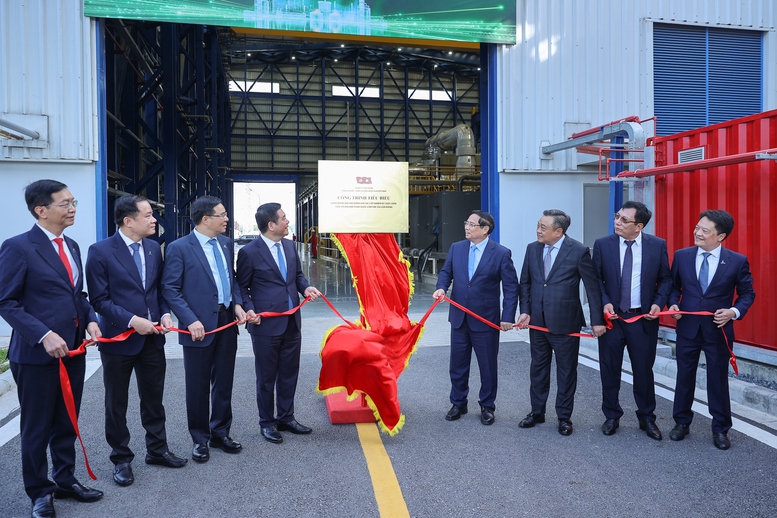
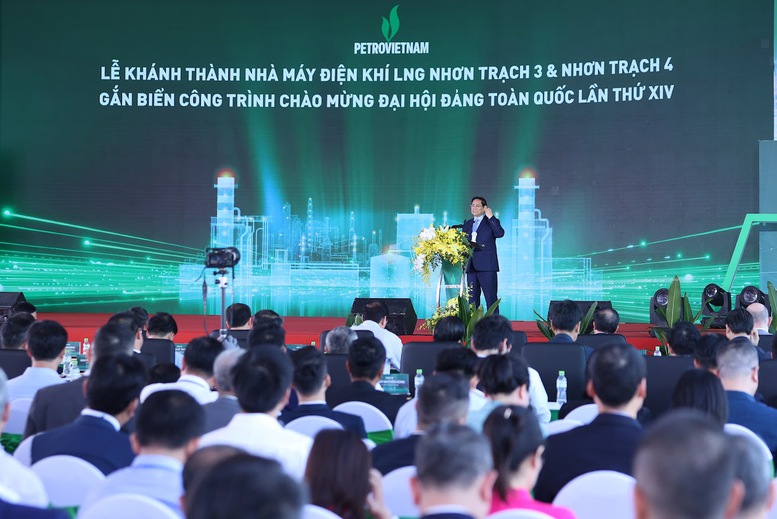
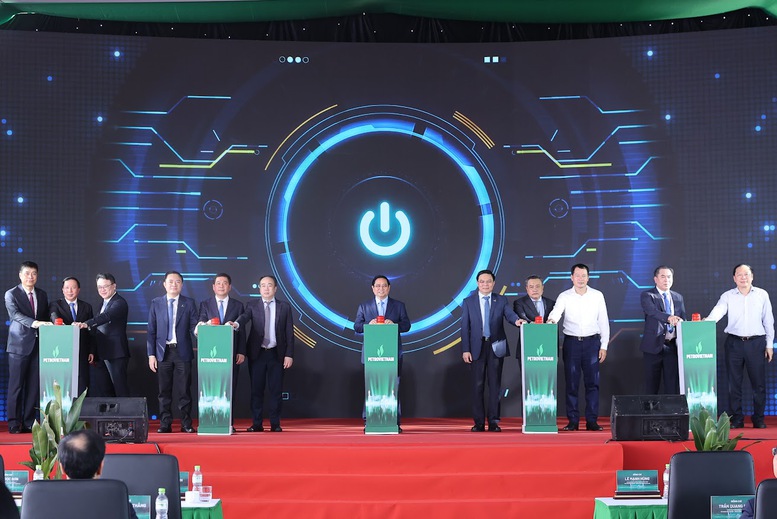
Vietnam has officially commissioned its first LNG-fired power plants capable of hydrogen co-firing, marking a significant milestone in the country’s energy transition and long-term hydrogen strategy.
The Nhon Trach 3 and Nhon Trach 4 Power Plants, located in Dong Nai Province, represent not only Vietnam’s entry into the LNG power era, but also its first large-scale power facilities designed to integrate hydrogen as a future fuel.
Power Capacity and Hydrogen Co-Firing Capability
The two plants have a combined installed capacity of 1,624 MW, with each unit rated at 812 MW, making them the largest single-unit gas turbines ever deployed in Vietnam.
Most notably, the plants are equipped with GE 9HA.02 gas turbines, which are hydrogen-ready by design:
-
Capable of co-firing hydrogen at up to 50% by volume in the fuel mix
-
Technically prepared for a future transition toward 100% hydrogen firing, subject to fuel availability and regulatory approval
This capability positions Nhon Trach 3 and 4 as Vietnam’s first hydrogen-capable power plants, providing a concrete bridge between today’s LNG-based system and tomorrow’s hydrogen economy.
Why Hydrogen Matters in Vietnam’s Power Transition
Hydrogen plays a critical role in decarbonizing power systems where renewable energy alone cannot ensure reliability. While solar and wind capacity in Vietnam continues to expand rapidly, their intermittent nature requires dispatchable, low-carbon backup power.
Hydrogen-enabled gas turbines offer:
-
Deep decarbonization beyond conventional LNG
-
Grid flexibility to support high renewable penetration
-
A scalable pathway toward net-zero power generation
By adopting hydrogen-ready technology at the outset, Vietnam avoids the risk of stranded assets and ensures that today’s investments remain relevant in a low-carbon future.
Efficiency, Emissions, and Climate Impact
With an efficiency of 62–64%, Nhon Trach 3 and 4 rank among the most efficient combined-cycle gas power plants globally. Even when operating on LNG alone, the plants:
-
Reduce CO₂ emissions by approximately 40% compared to coal-fired power
-
Emit around 30% less CO₂ than oil-based generation
As hydrogen blending increases over time, emissions intensity will decline further, enabling Vietnam to move progressively toward its net-zero commitment by 2050.
A Foundation for Vietnam’s Hydrogen Ecosystem
Beyond electricity generation, Nhon Trach 3 and 4 serve as a strategic anchor for Vietnam’s emerging hydrogen ecosystem. Their location and scale allow future integration with:
-
Green hydrogen produced from renewable energy
-
Blue hydrogen linked to LNG infrastructure and carbon management
-
Industrial hydrogen demand clusters in southern Vietnam
This creates opportunities to align power generation, industrial decarbonization, and hydrogen supply chains within a single, coordinated framework.
From LNG Today to Hydrogen Tomorrow
Vietnam’s first hydrogen-capable power plants reflect a pragmatic transition strategy:
-
LNG today to ensure energy security and system stability
-
Hydrogen blending tomorrow to progressively cut emissions
-
Full hydrogen operation in the long term, as technology, supply, and economics mature
Rather than viewing LNG and hydrogen as competing options, Vietnam is positioning LNG infrastructure as a launch platform for hydrogen, accelerating the shift to clean energy without compromising reliability.
A Strong Signal to Investors and Technology Partners
The commissioning of Nhon Trach 3 and 4 sends a clear signal to global investors, technology providers, and hydrogen developers: Vietnam is serious about hydrogen, not just in pilot projects, but in utility-scale power generation.
By deploying hydrogen-ready turbines at scale, Vietnam joins a select group of countries preparing their power systems for a hydrogen-based future—well before hydrogen becomes commercially abundant.