
VAHC: Green Hydrogen can be an Essential "Ingredient" for Truly "Clean" Plant-Based Food
Date: November 7, 2026
Annie Nguyễn
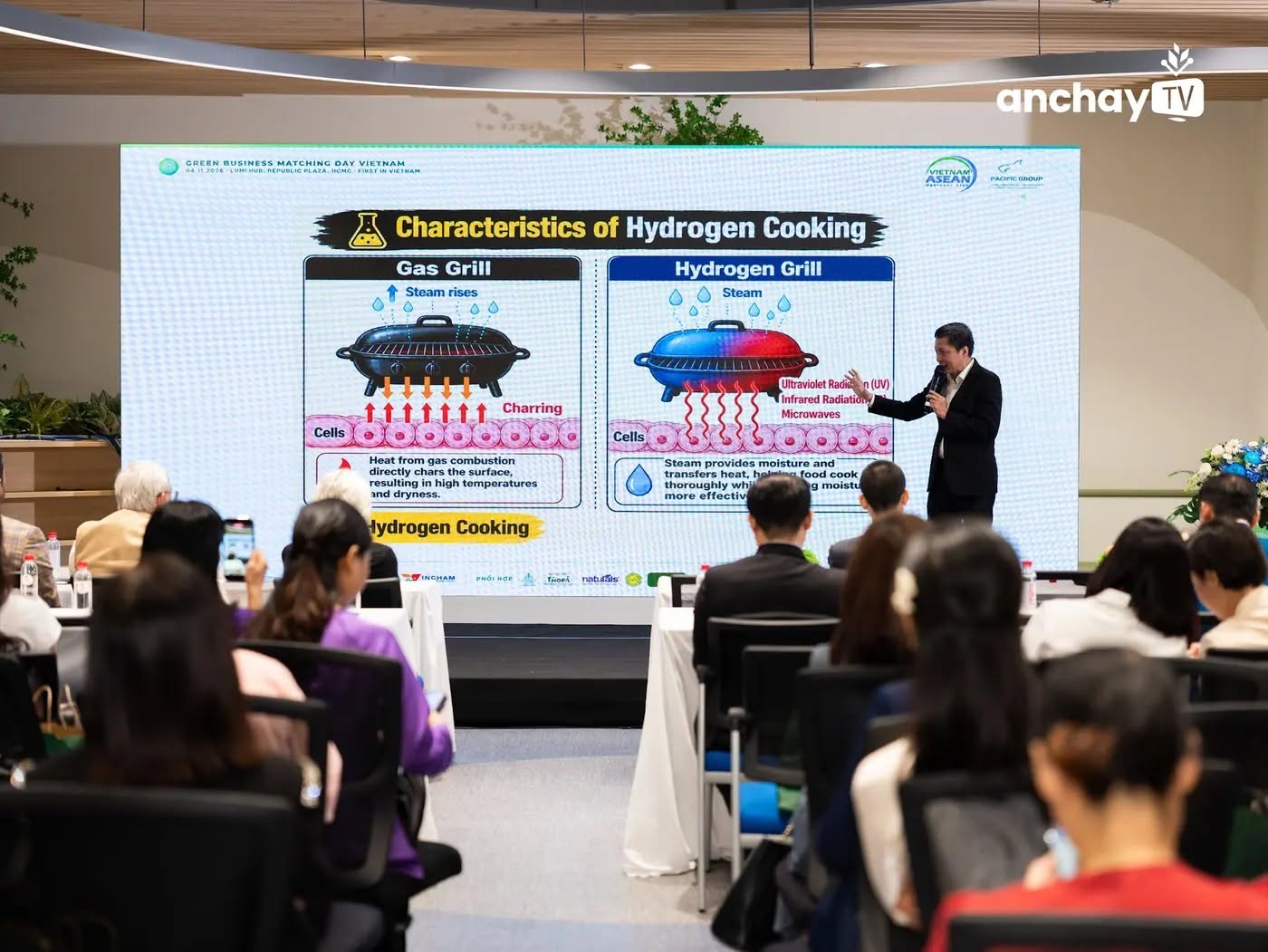
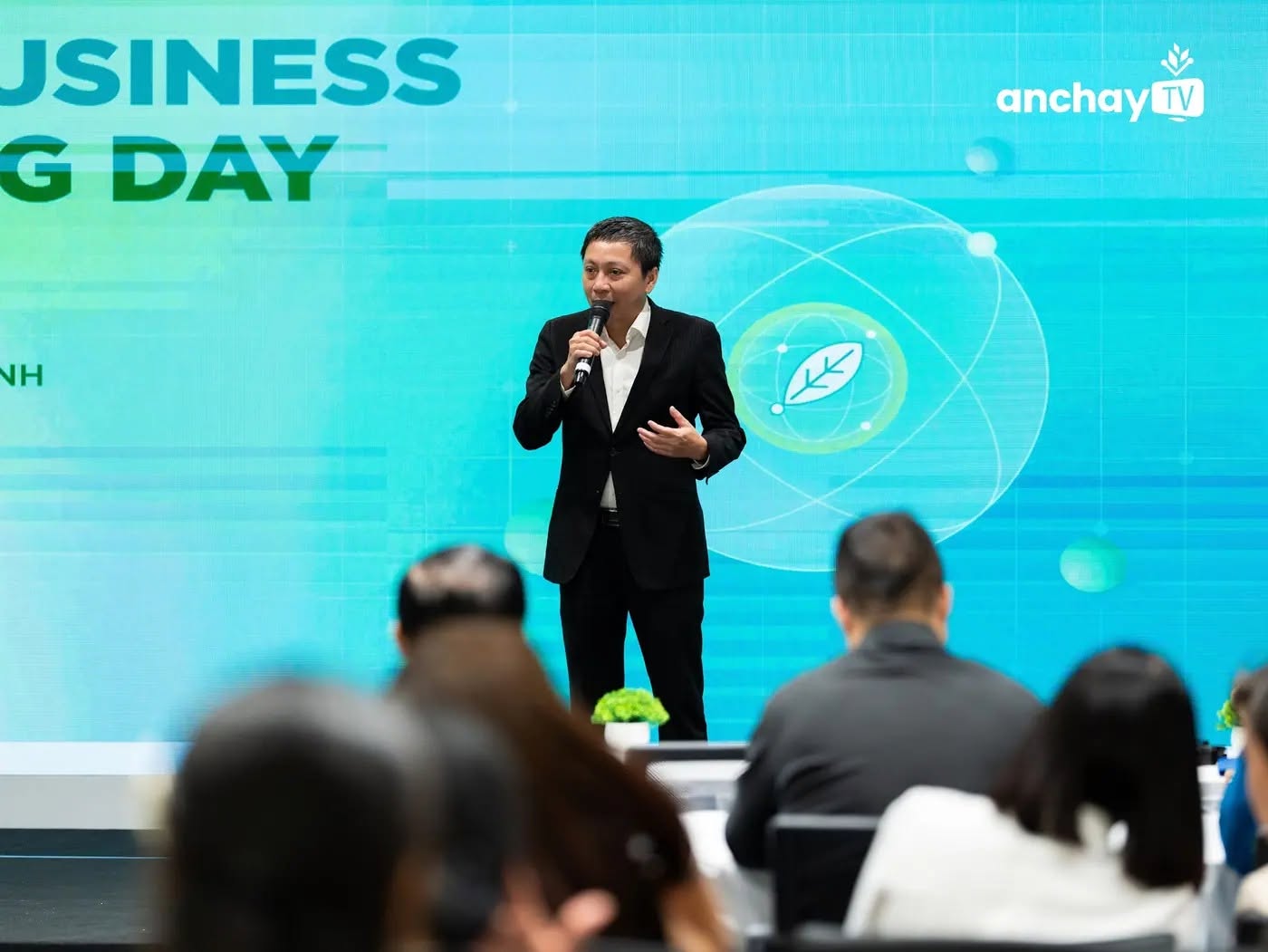
At the Green Business Matching Day Vietnam 2026 (GBM Day 2026) held on November 4 in Ho Chi Minh City, Mr. Le Ngoc Anh Minh, Chairman of the Vietnam-ASEAN Hydrogen Club (VAHC), delivered a groundbreaking presentation that raised a core question about the true sustainability of the plant-based food industry.
The Paradox of "Green" Food
Mr. Minh pointed out a thought-provoking reality: plant-based products are growing rapidly, driven by eco-conscious consumer trends and global climate targets. However, farming and processing remain heavily reliant on fossil fuels, creating significant indirect emissions. Notably, 57% of total food industry energy is used solely for industrial steam generation. He then posed the question: "How can a vegan product be truly called 'clean' — from farm to table — if the energy used in its making is still fossil-based?"
Two Parallel Pathways of Green Hydrogen
According to the VAHC Chairman, green hydrogen is not merely an alternative fuel; it is a catalyst for reshaping the entire vegan food value chain, opening two parallel pathways:
-
"Nourish from Air": Using CO₂ and green hydrogen to produce food protein (such as microbial protein) through gas fermentation technology. A prime example is Solar Foods (Finland) with its Solein® product — a protein created from air, water and renewable electricity, requiring no agricultural land, no pesticides and with low or negative emissions potential. Another example is React Foods (Denmark) with a two-stage fermentation process from CO₂ and renewable H₂ to acetate, which is then converted into protein-rich biomass.
-
"Process with Water": Using green hydrogen as a clean fuel for high-temperature processing stages such as frying, drying, sterilization and steam production. Trials of complete hydrogen fuel substitution in industrial frying lines have shown a CO₂ emission reduction of up to 97%. A dual-fuel model (hydrogen + natural gas) is proposed as a gradual transition solution, suitable for each factory's roadmap.
Vietnam's Potential and Role
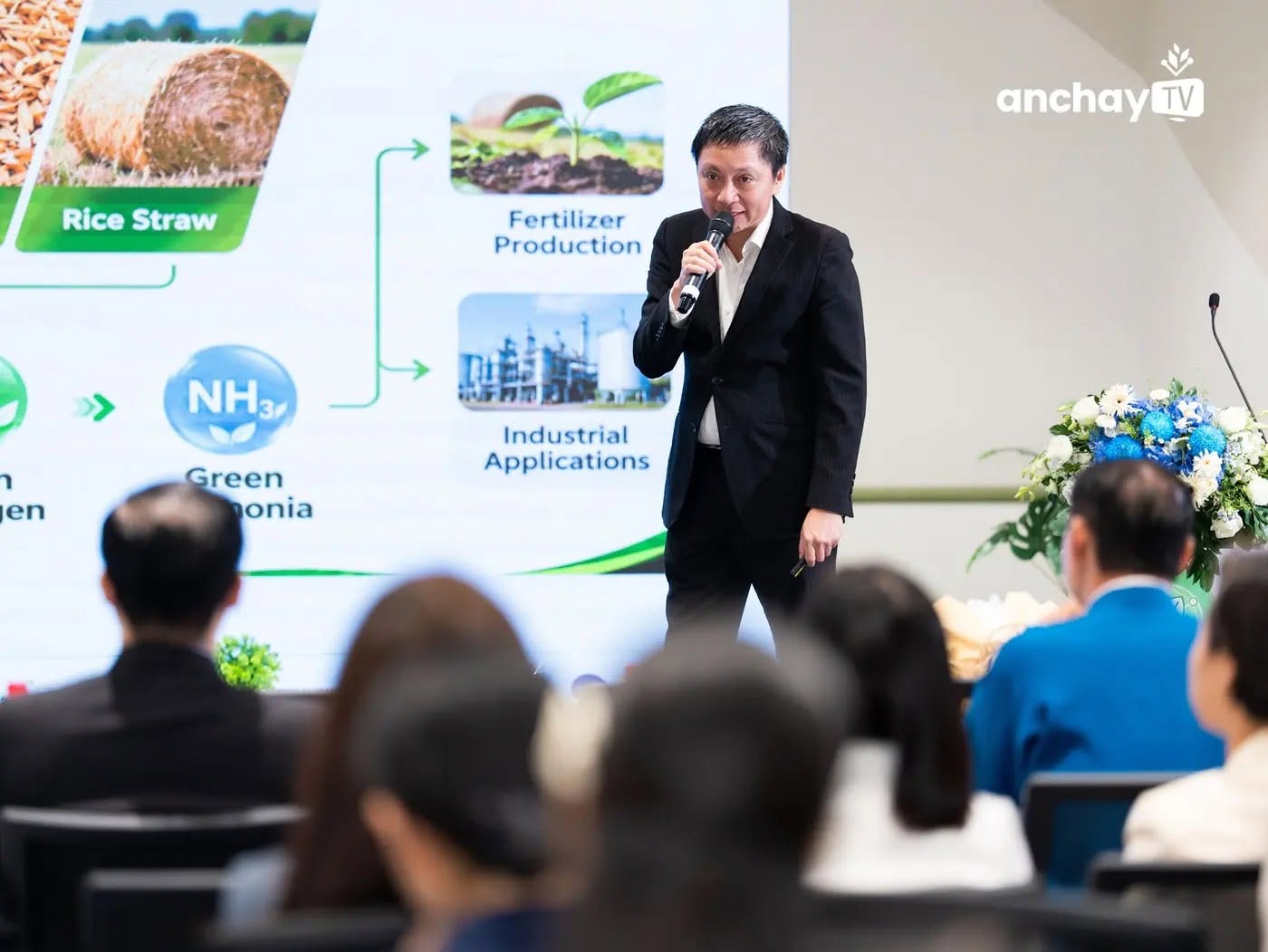
Mr. Minh emphasized that Vietnam has a major advantage with abundant agricultural residues such as bagasse, rice husk and rice straw — materials that can be used to produce hydrogen through gasification, moving towards green ammonia for fertilizers and various industrial applications. This provides a solid foundation for developing renewable hydrogen to support the food value chain.
VAHC proposed a pilot integrated model "Farm - Factory - Table" in an agricultural strength region (such as the Mekong Delta or Central Highlands), including: producing green hydrogen from solar/wind power, using hydrogen for gas fermentation to produce protein or for industrial boilers in plant-based food processing, and finally conducting a Carbon Life Cycle Assessment (LCA) to certify the product.
As a coordination hub, VAHC is ready to connect research institutes, food businesses and international technology partners (such as Solar Foods and European universities) to bring this model to Vietnam, leveraging South-South and BRICS-ASEAN cooperation mechanisms.