

Report on the Workshop "Vietnam Hydrogen Economy – Connecting the Value Chain from Agriculture to Industry"
Date: 01/10/2026
By: Annie Nguyễn
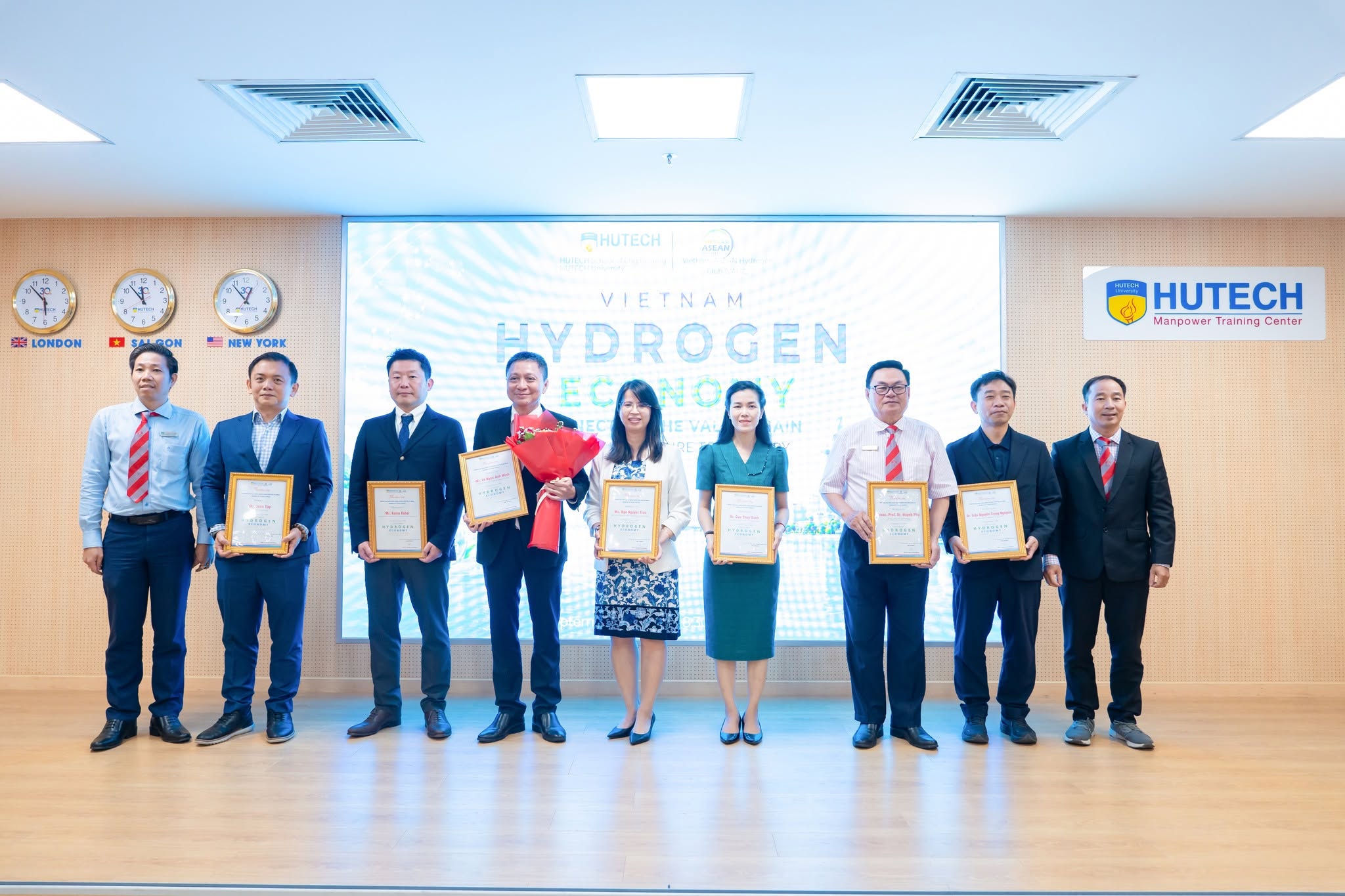
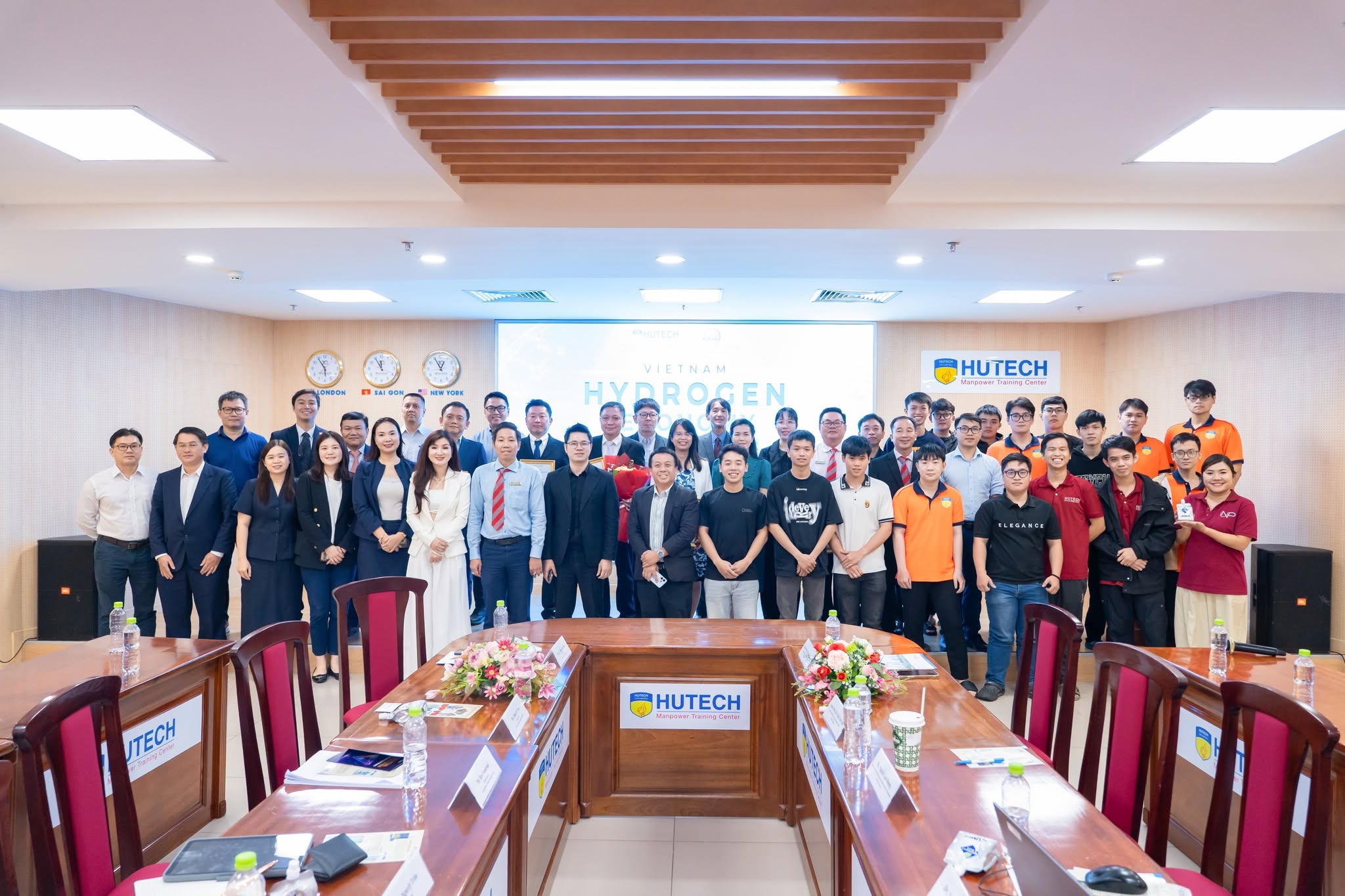
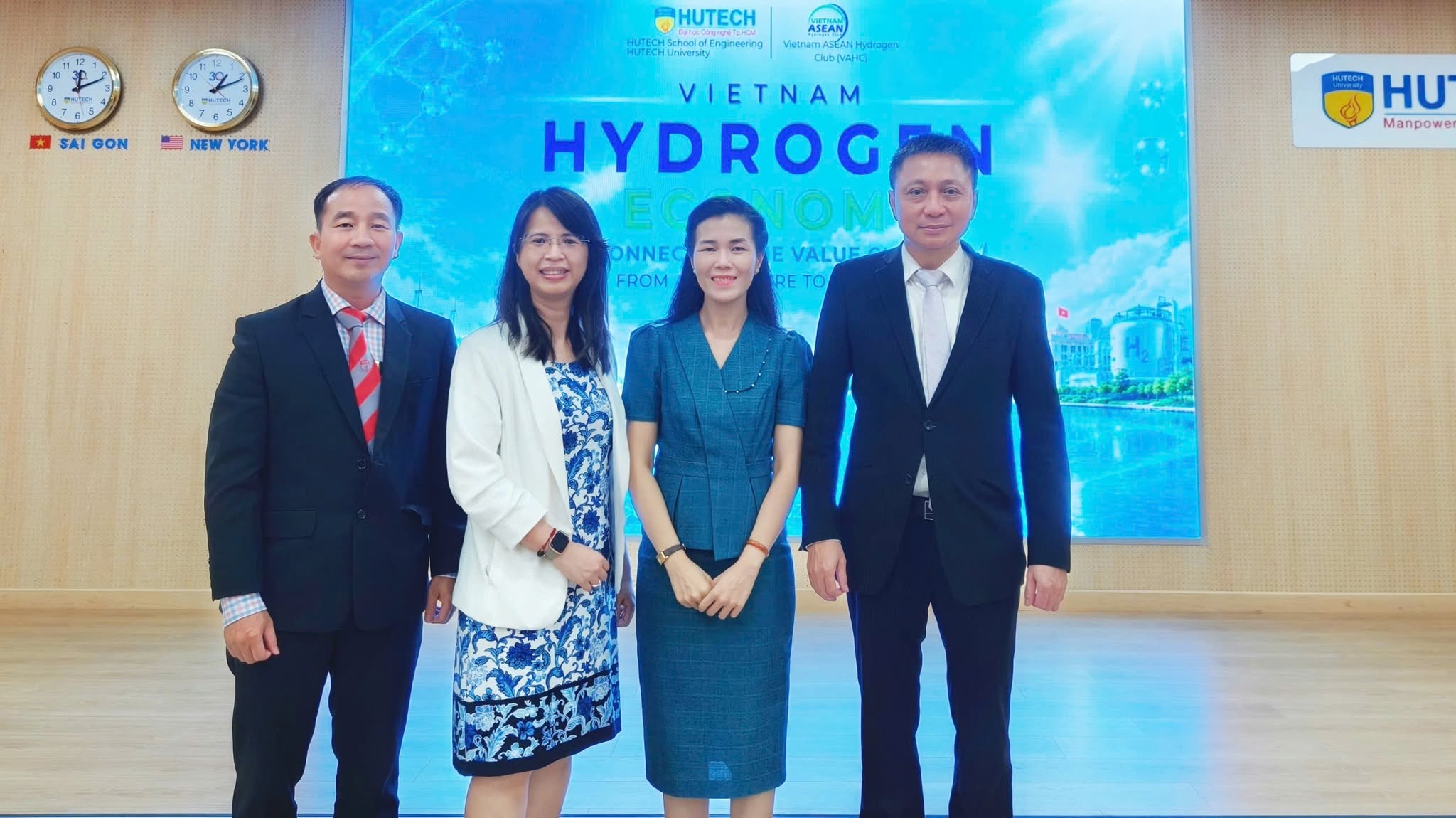
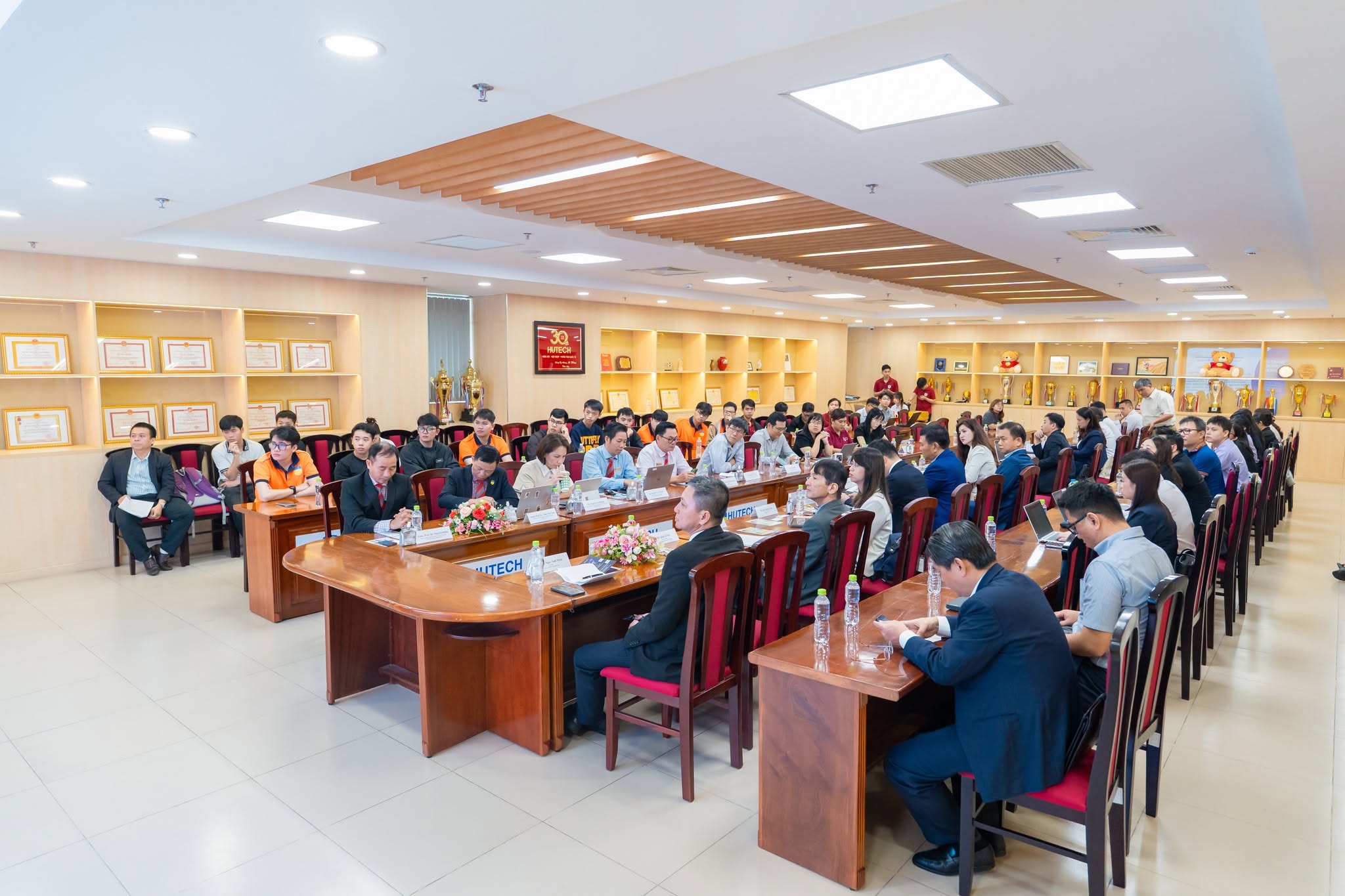
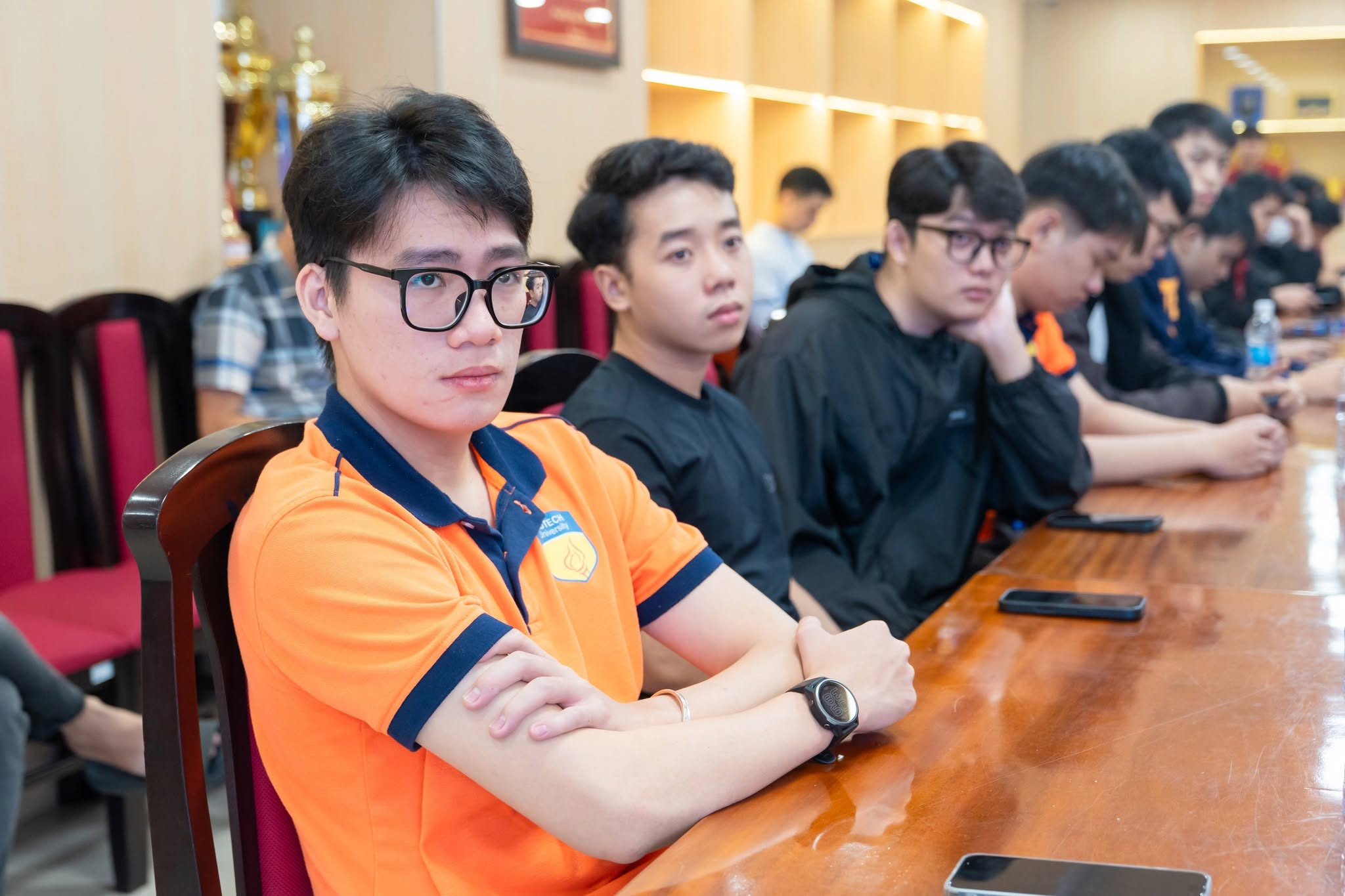
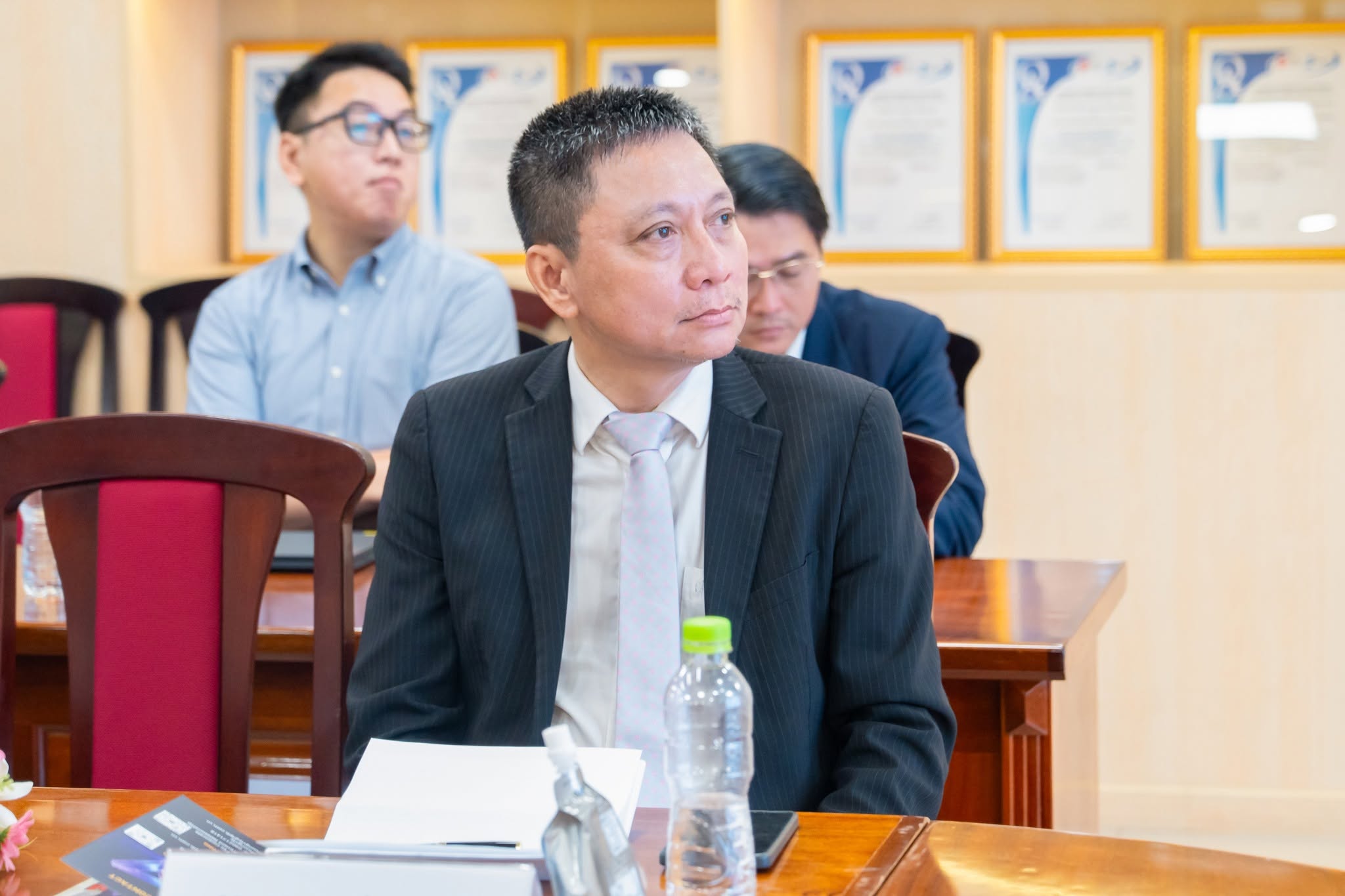
On the morning of 30 September 2026, at the HUTECH High-Quality Human Resources Training Center (Zone E1, Saigon High-Tech Park, Tang Nhon Phu Ward, Ho Chi Minh City), the workshop "Vietnam Hydrogen Economy – Connecting the Value Chain from Agriculture to Industry" was successfully held. The event was co-organised by the Vietnam ASEAN Hydrogen Club (VAHC) and the HUTECH School of Engineering (Ho Chi Minh City University of Technology), with nearly 100 delegates in attendance, including experts, scientists, businesses, financial institutions and international partners.
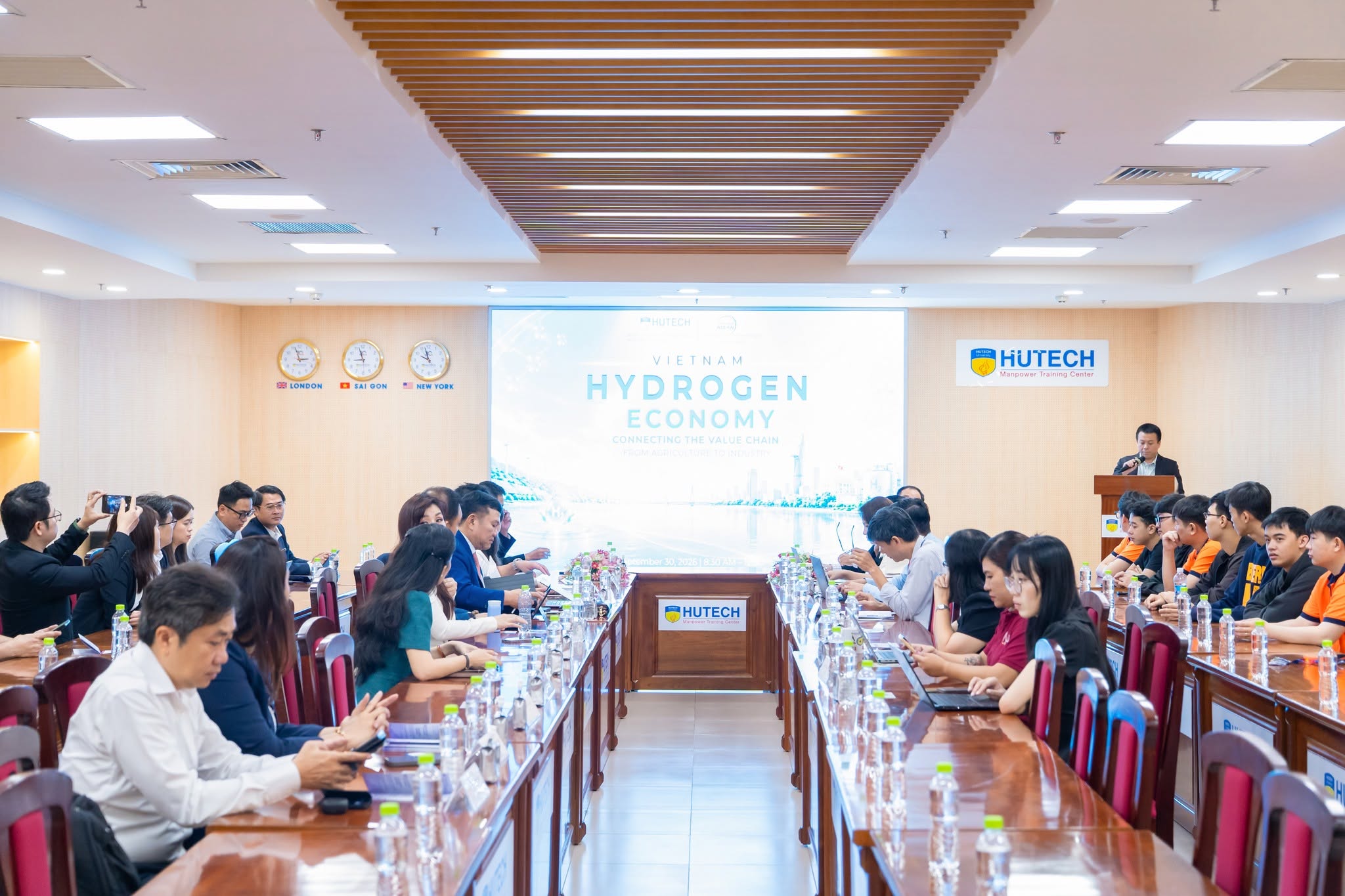
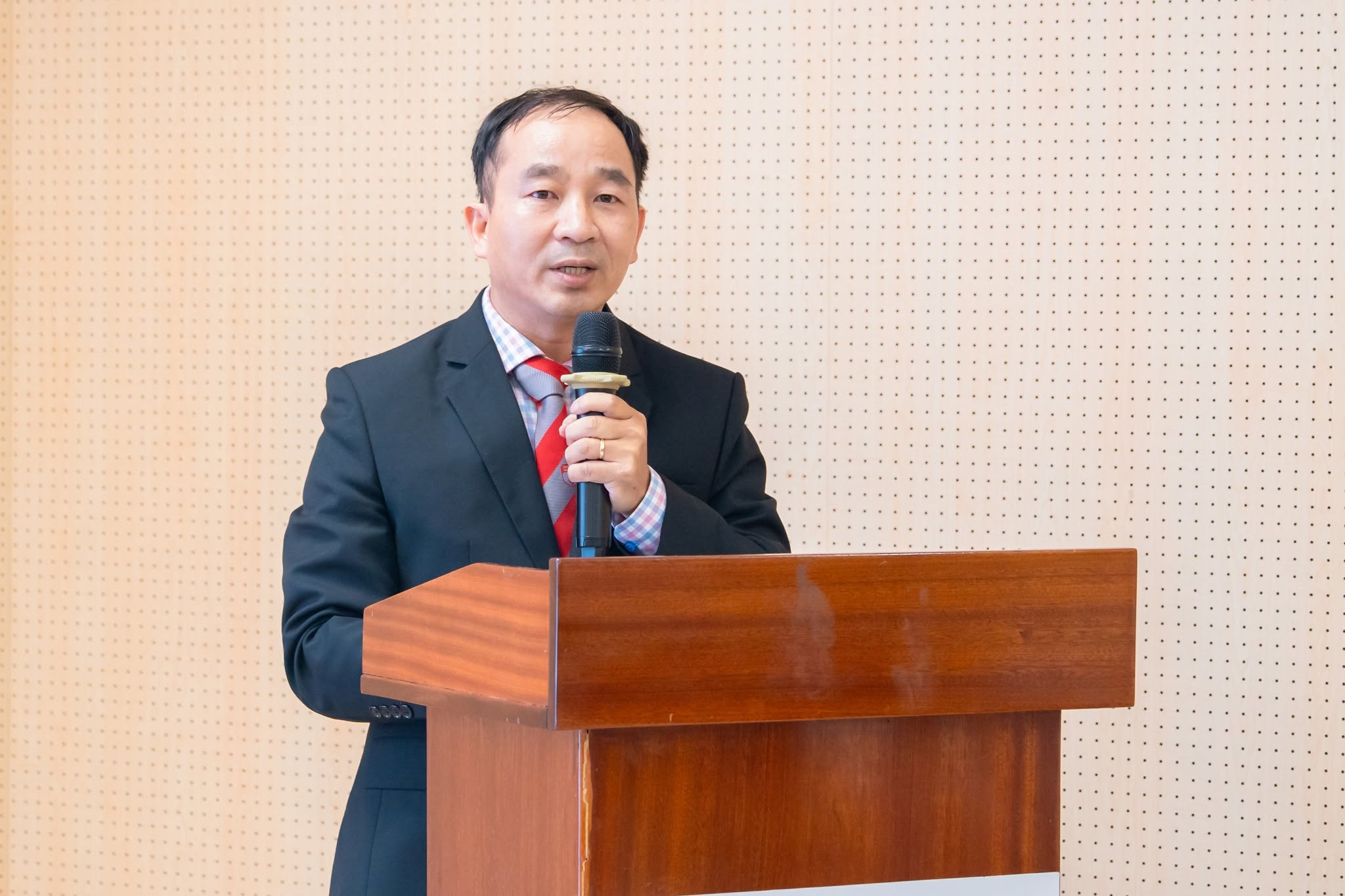
Mr. Nguyễn Thanh Bình, Business Development at Toda Corporation is the host of the Workshop
Opening Remarks
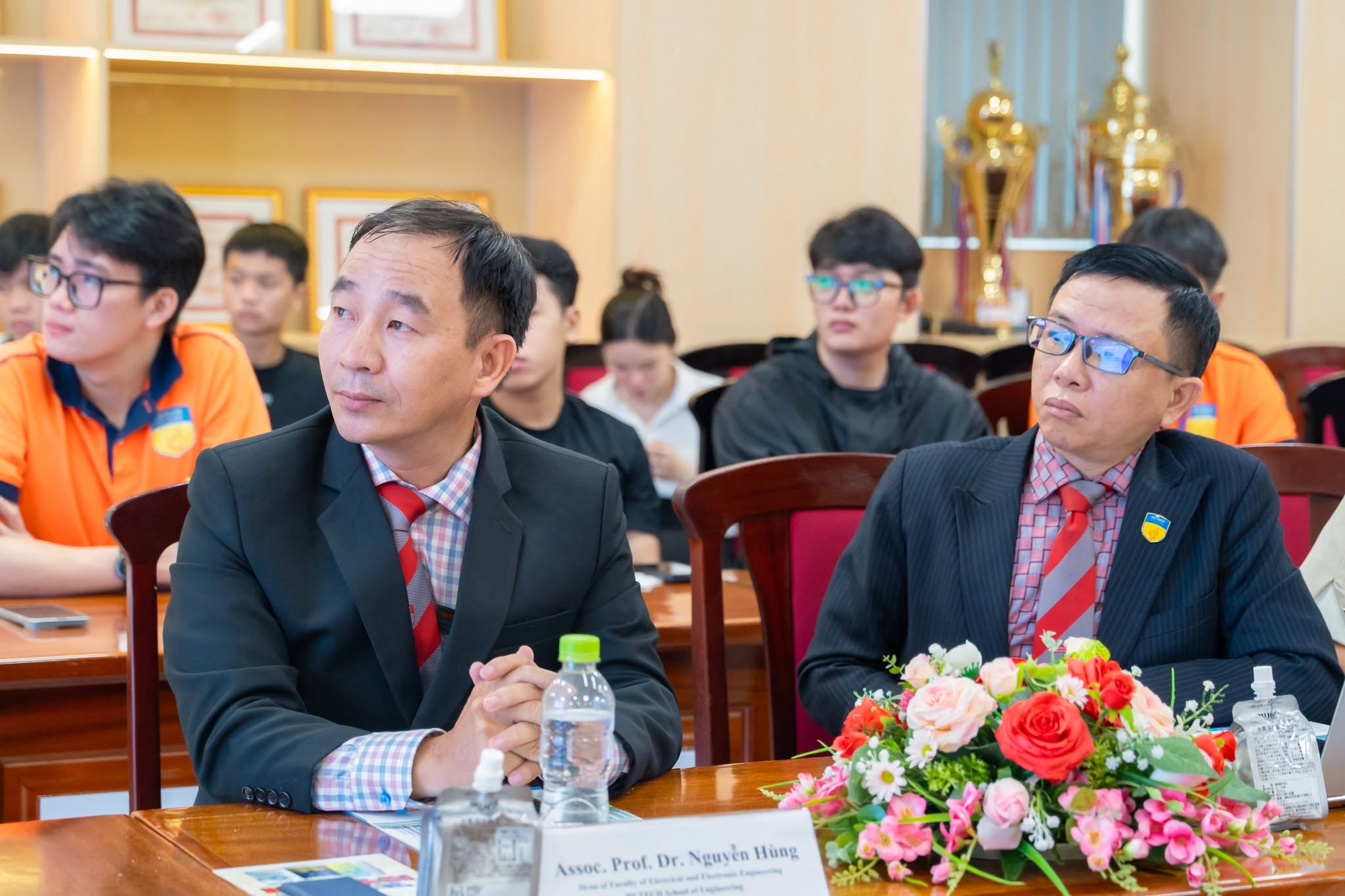
The workshop opened with welcome remarks from Mr. Le Ngoc Anh Minh, Chairman of VAHC and Executive President of Pacific Group, and Assoc. Prof. Dr. Nguyen Hung, Dean of the Faculty of Electrical and Electronic Engineering at HUTECH School of Engineering. Assoc. Prof. Dr. Nguyen Hung emphasised: "Hydrogen offers promising opportunities for research and application as the energy sector evolves. Yet bringing a technology into practical use requires more than research results – we must connect producers with users, and technical solutions with infrastructure, skilled people, financing and market demand." He also expressed the hope that students and researchers would have opportunities to work with businesses on practical questions.
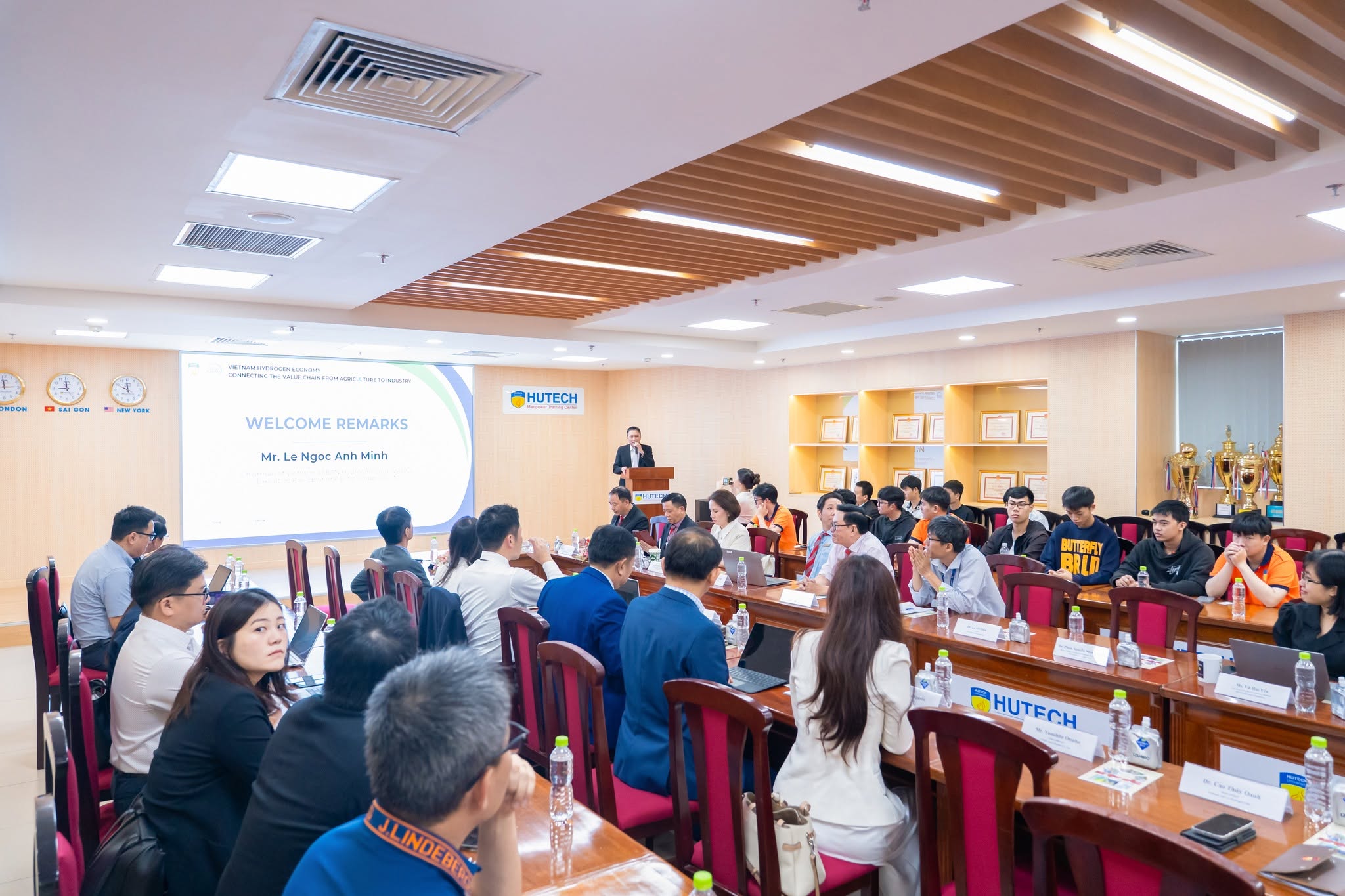
Mr. Lê Ngọc Ánh Minh's opening speech
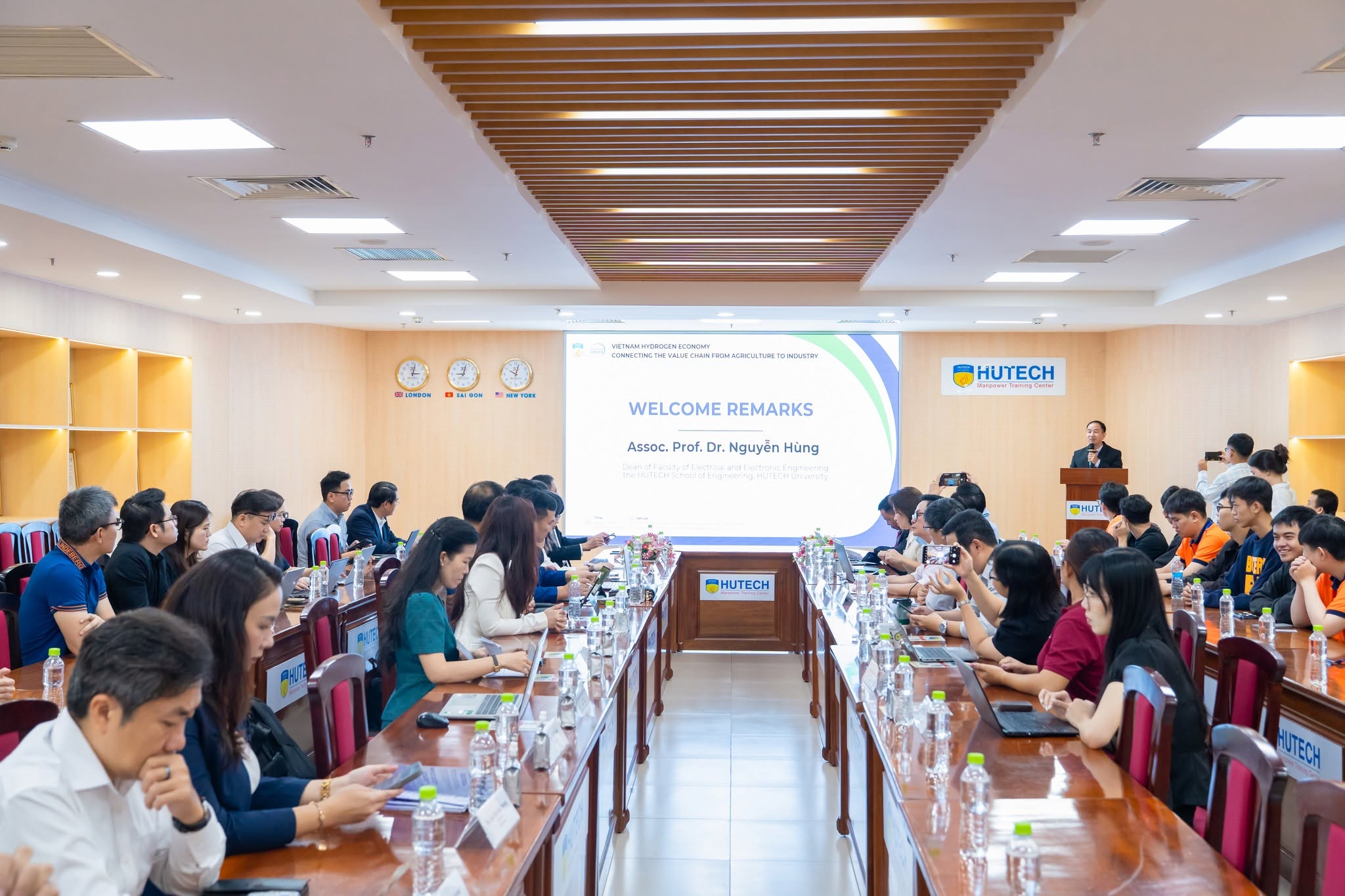
Associated Professor, Dr. Nguyễn Hùng's opening speech
Main Presentations
Presentation 1: South Korea's Hydrogen Economy – Policy, Technology and Lessons for Vietnam
Dr. Cao Thuy Oanh, Head of R&D at VAHC and Lecturer at Van Hien University, presented an overview of South Korea's hydrogen strategy – a country recognised by the IEA as "the world's leading consumer of hydrogen in the transport sector". By 2025, South Korea had approximately 46,586 hydrogen vehicles and 449 hydrogen refuelling stations. The presentation analysed the public-private partnership model, the clean hydrogen certification system with a maximum emissions threshold of 4 kg CO₂/kg H₂, and the hydrogen power bidding market. The lesson for Vietnam is the need to build institutions and markets properly, not just focus on technology.
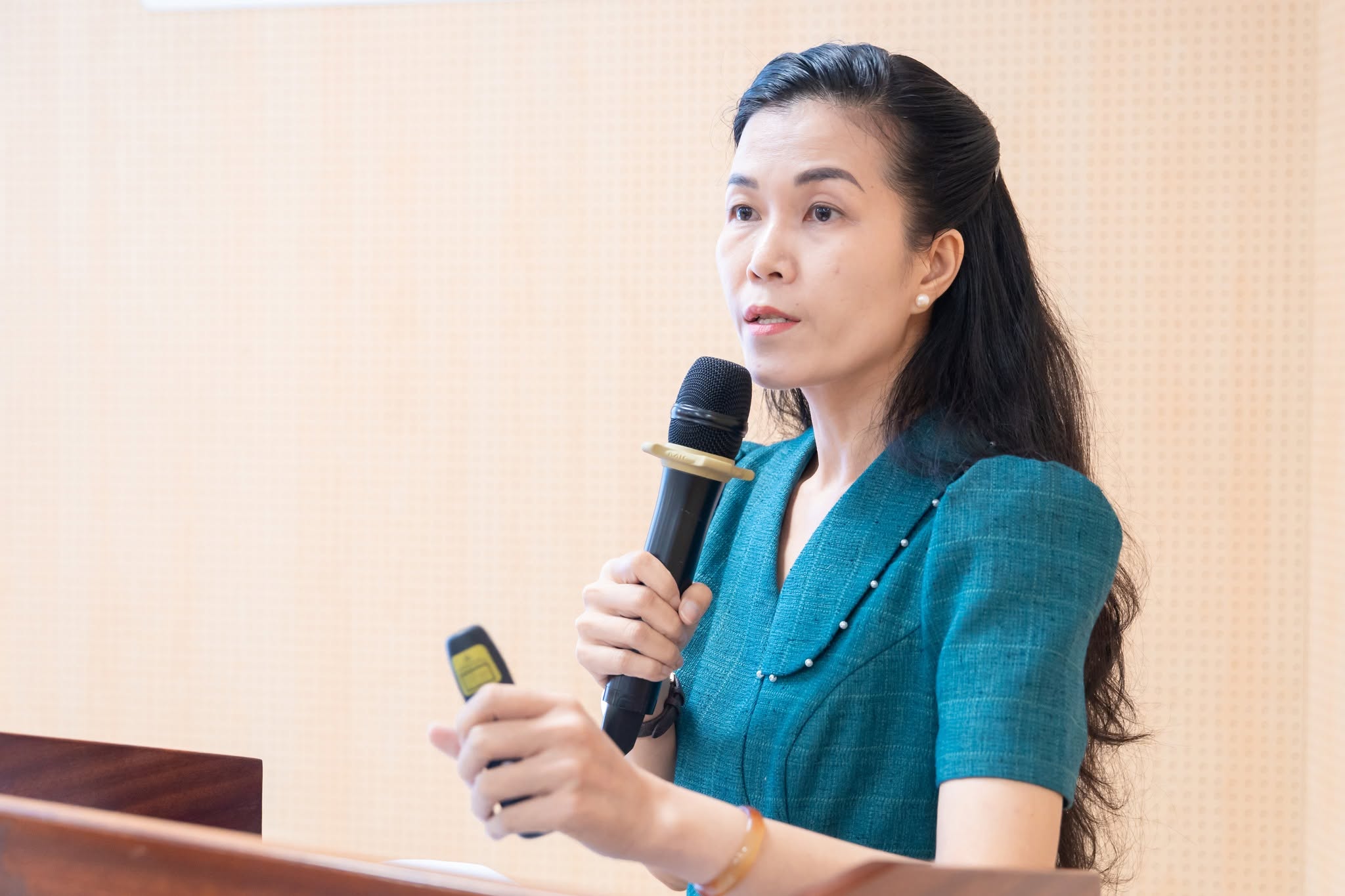
Dr. Cao Thúy Oanh's presenting
Presentation 2: Building a Hydrogen Economy Model for Vietnam – From Vision to Reality
Mr. Le Ngoc Anh Minh, Chairman of VAHC, presented the National Hydrogen Energy Development Strategy (Decision 165/QD-TTg) with targets of producing 100,000–500,000 tonnes per year by 2030 and 10–20 million tonnes per year by 2050. He proposed two focal hydrogen economy models: the Agricultural Model for the Mekong Delta, focusing on biomass gasification to produce hydrogen and green ammonia for fertiliser; and the Industrial Model for the Southern Key Economic Region, developing a diversified hydrogen portfolio from electrolysis, reforming with CCUS, to industrial by-product hydrogen.
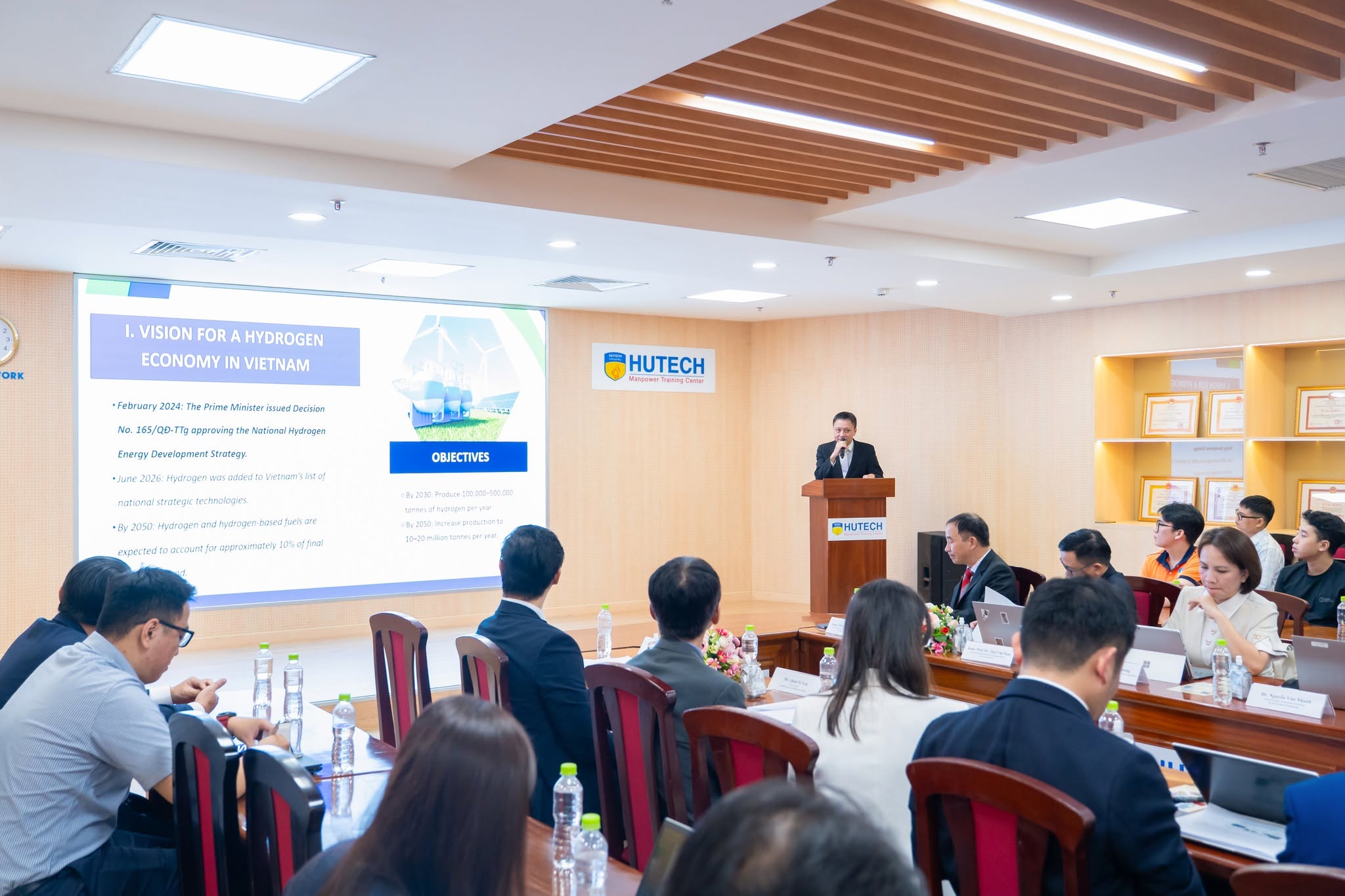
Mr. Lê Ngọc Ánh Minh's presenting
Presentation 3: A Study on Implementing Green Hydrogen Projects in Vietnam
Dr. Tran Nguyen Trong Nguyen, President and Founder of Kenzen Consulting, analysed the key success factors for green hydrogen projects in Vietnam, including stable policy, competitive renewable supply, secured offtake and adequate infrastructure. He also introduced potential funding sources from Japan such as JBIC, JICA, NEXI and corporate partnerships. Notably, he pointed out that of the more than 21,000 MW of renewable energy installed by 2022, 4,736 MW had not yet been connected to the grid to sell electricity to EVN – a valuable resource for green hydrogen production.
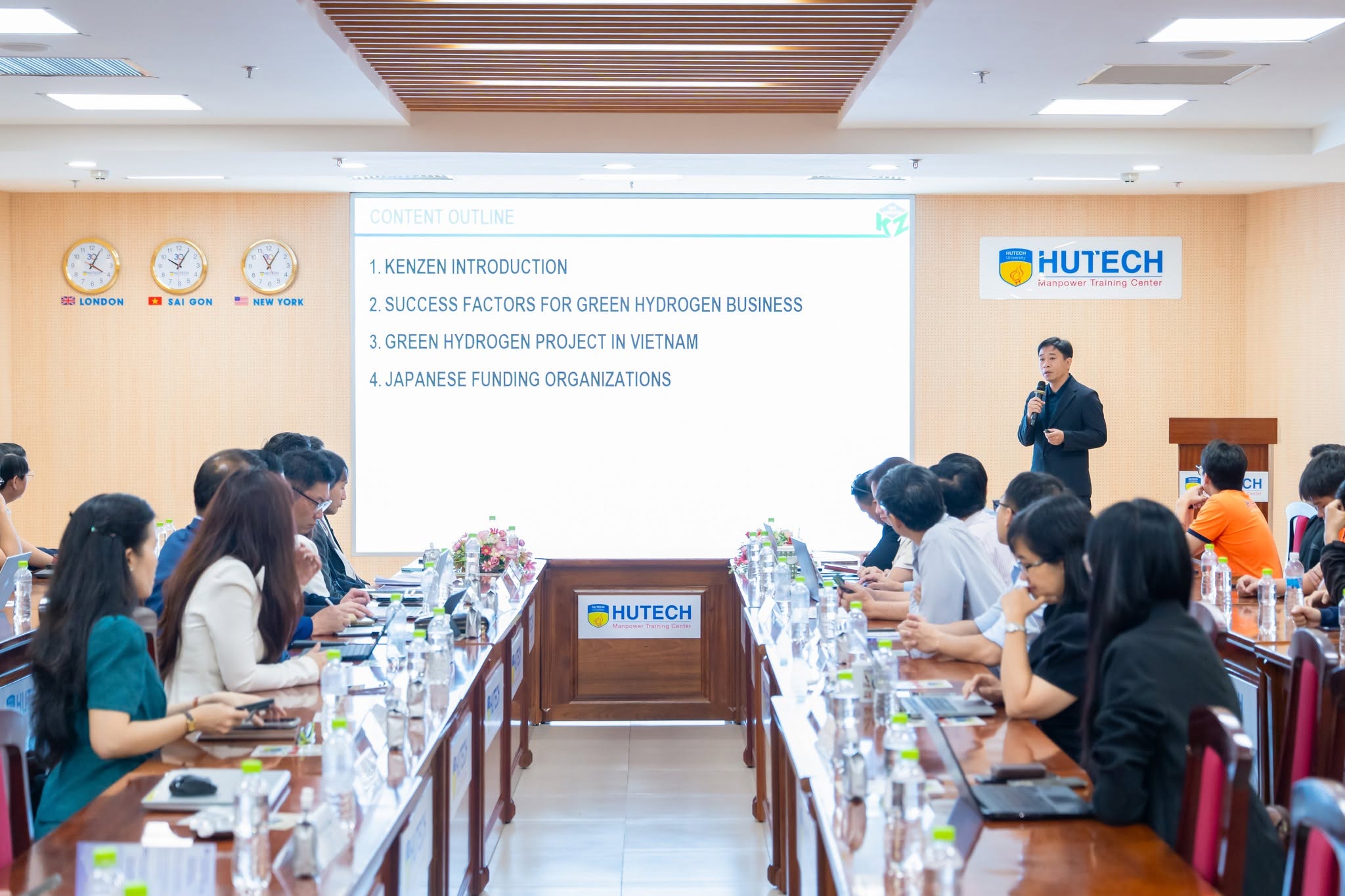
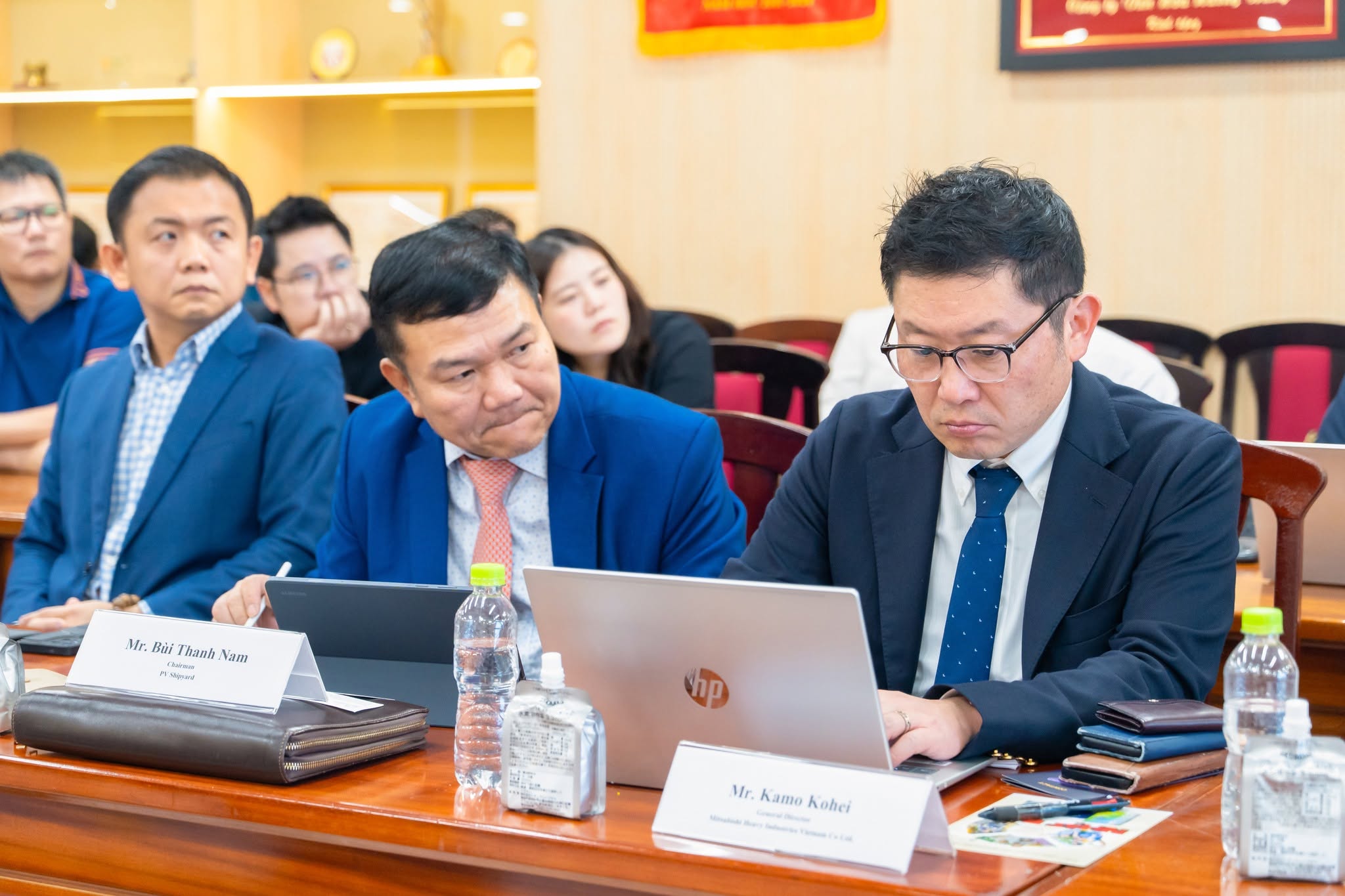
Mr. Kamo Kohei's presenting
Presentation 4: Japan's Hydrogen Park Model
Mr. Kamo Kohei, General Director of Mitsubishi Heavy Industries Vietnam, introduced the integrated model of production, storage and hydrogen utilisation at Hydrogen Park Takasago. This is a demonstration facility for 400 kW SOEC (solid oxide electrolysis cell) technology, methane pyrolysis technology producing turquoise hydrogen, and the M501JAC gas turbine, which achieved 30% hydrogen co-firing at 100% load – a world first for a large gas turbine. Mitsubishi is also deploying hydrogen and ammonia co-firing projects in several Southeast Asian countries, including Vietnam with the O Mon IV project (1,155 MW).
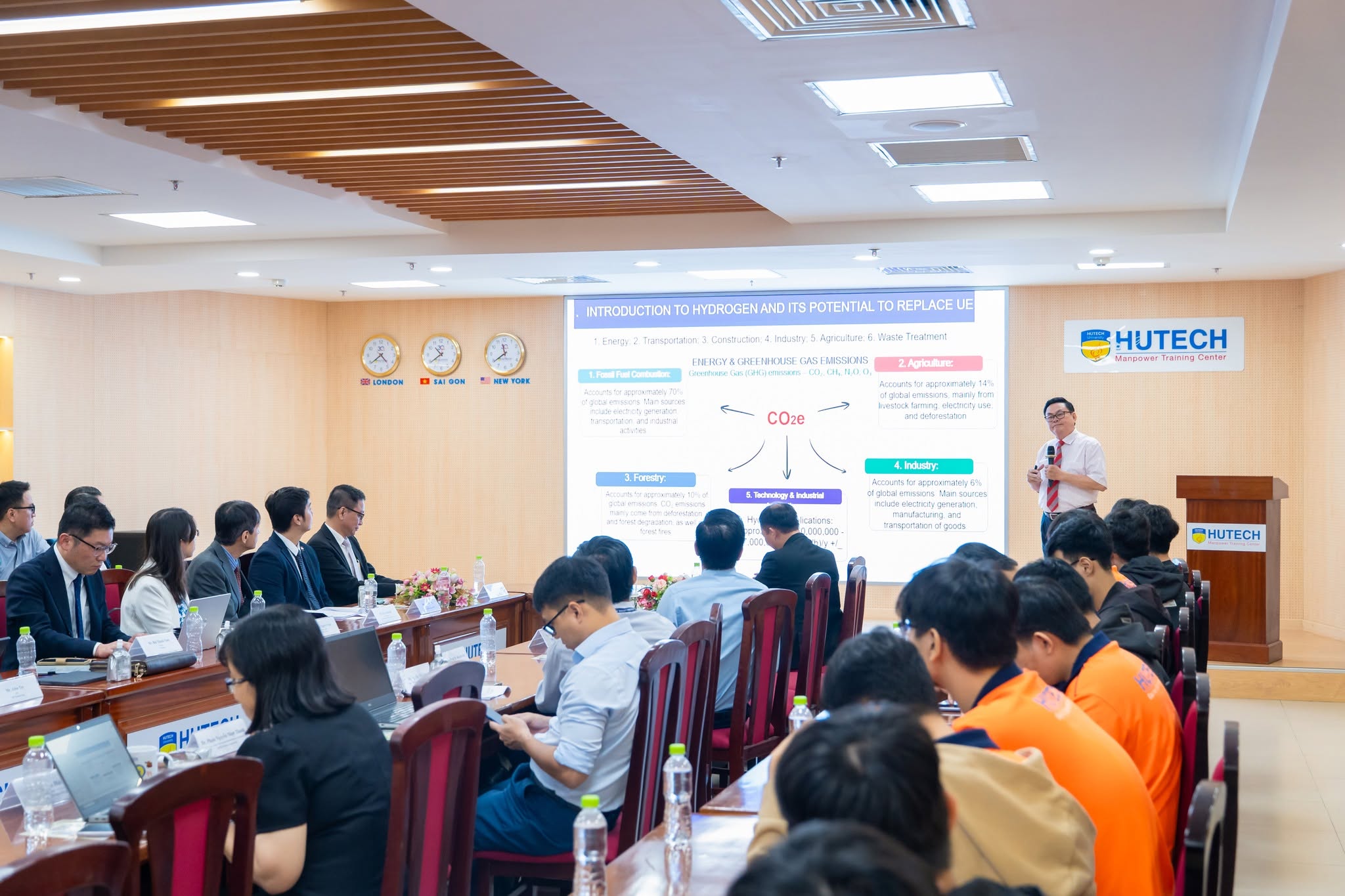
Assoc. Prof. Dr. Huynh Phu's presenting
Presentation 5: Research on Hydrogen Technology and Economics at HUTECH
Assoc. Prof. Dr. Huynh Phu, Director of the Institute of Environment and Circular Economy in the South, presented applied research on hydrogen production and storage, proposed solutions for the transport and industrial systems in Ho Chi Minh City, and the role of universities in workforce training. He emphasised the need for a "quadruple helix" cooperation model (universities – businesses – government – financial institutions) and a roadmap for hydrogen workforce training to 2035.
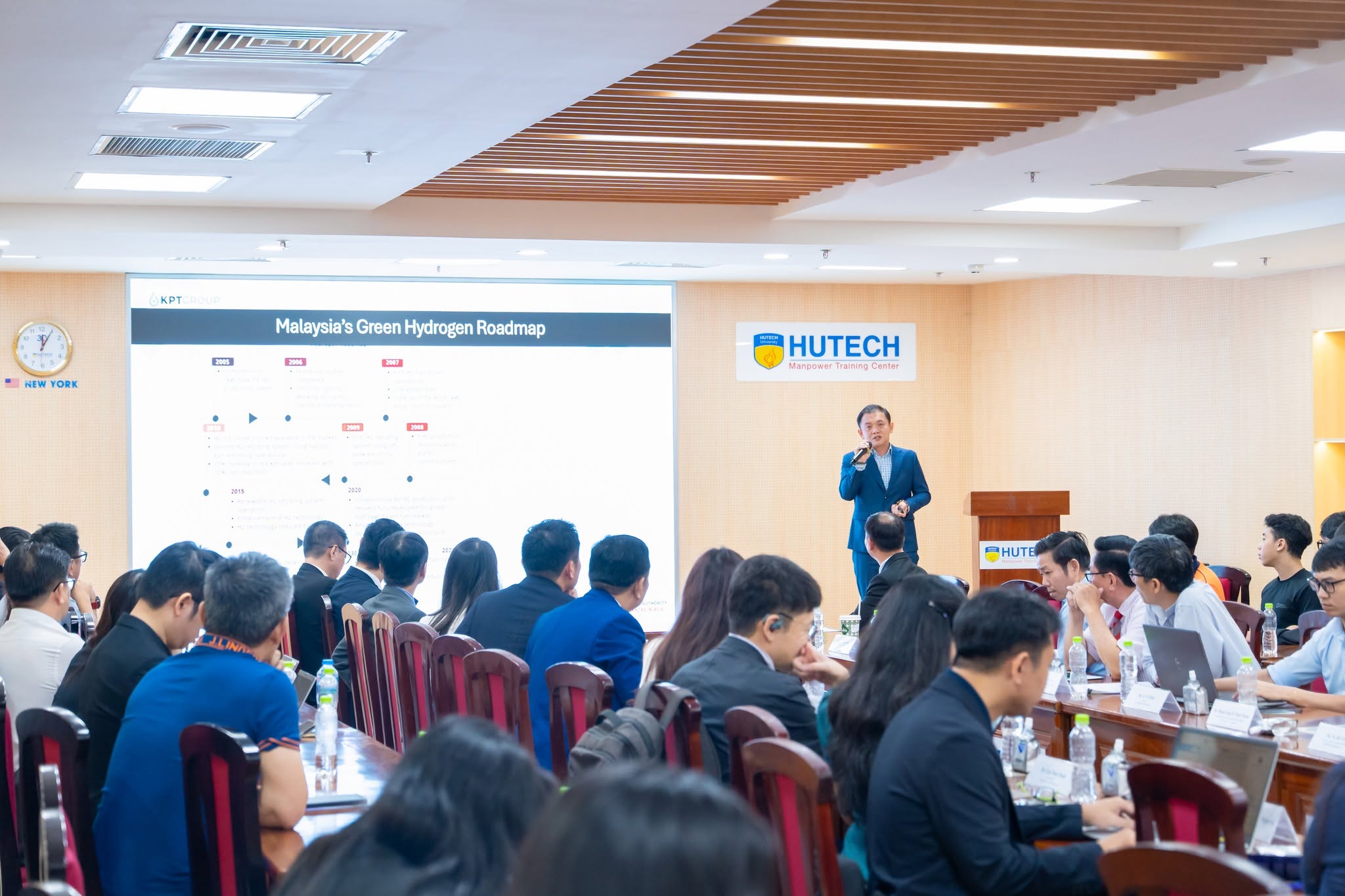
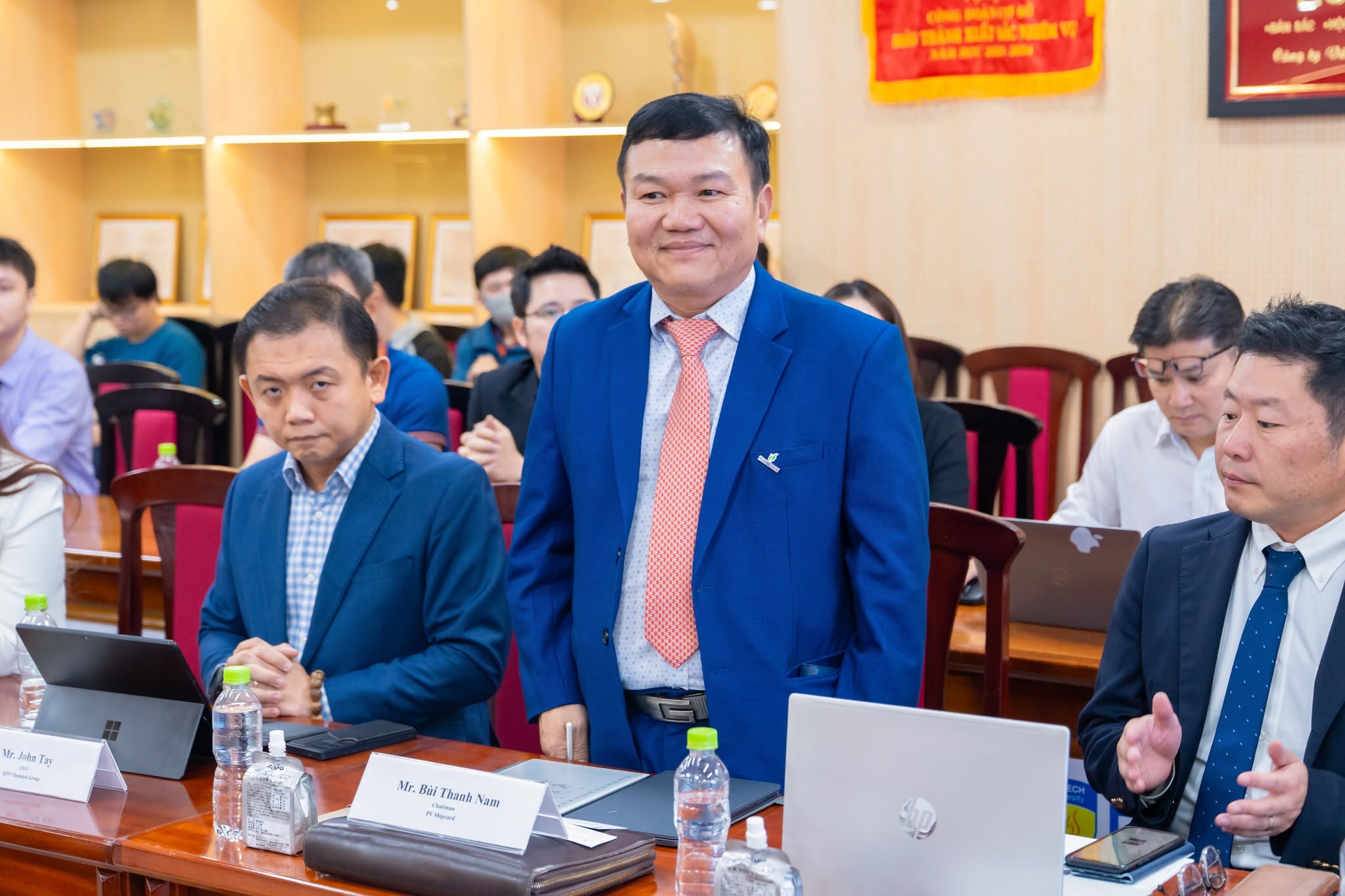
Mr. John Tay's presenting at the Workshop
Presentation 6: Green Hydrogen Development Sarawak, Malaysia – Strategy and Regional Cooperation Opportunities
Mr. John Tay, CEO of KPT Chemical Group, presented Malaysia's hydrogen development roadmap with Sarawak as the centre. Sarawak targets producing 100–200 ktpa of green hydrogen by 2030, rising to 400–500 ktpa by 2050; blue hydrogen reaching 1,500–2,000 ktpa by 2050. He also introduced the solid-state hydrogen transportation solution that KPT showcased with SEDC Energy and PECC2 in Ho Chi Minh City in January 2026.
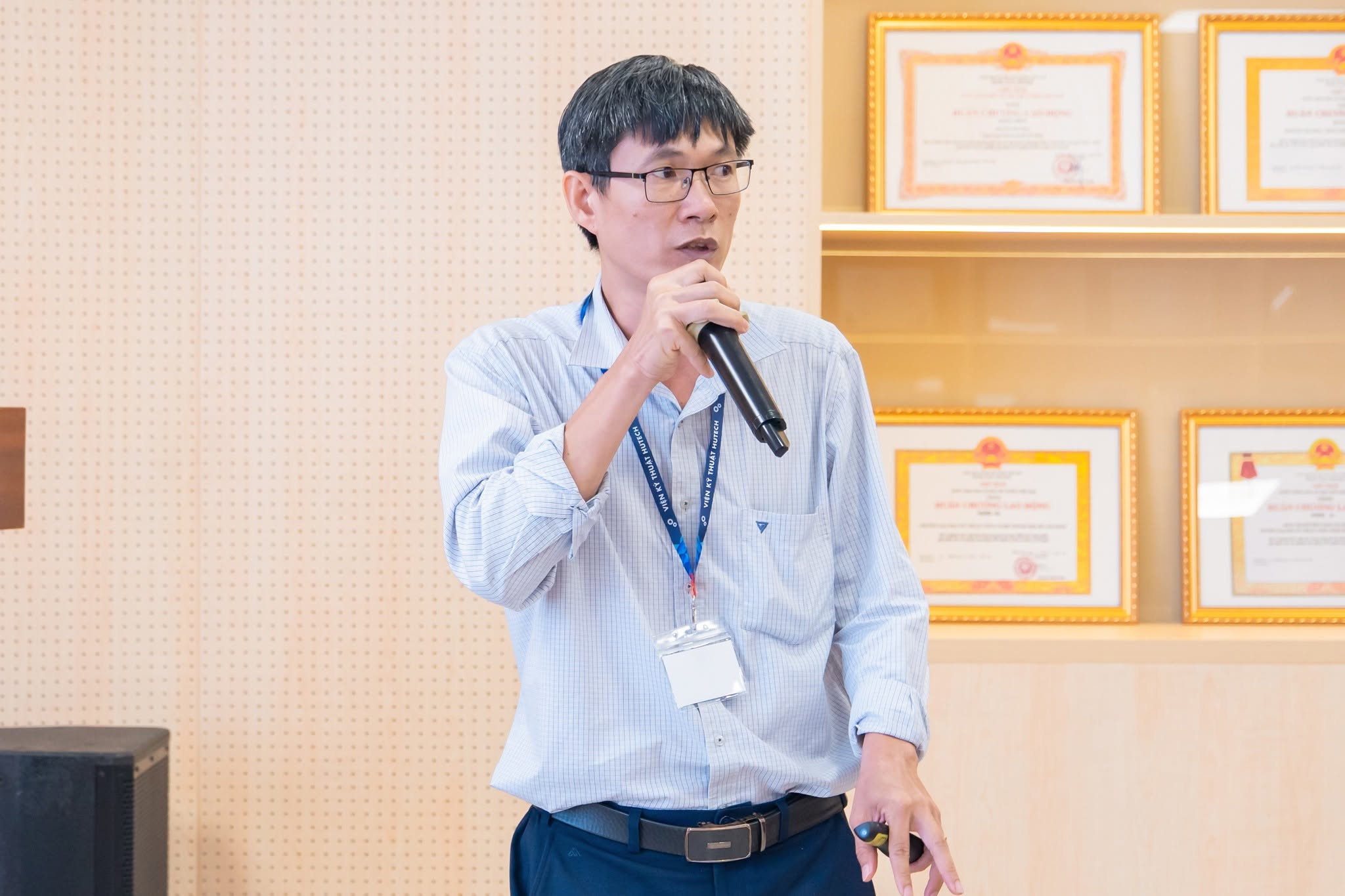
Dr. Nguyễn Văn Giao's presenting
Presentation 7: Electrification of Vietnam's Transportation Sector to 2050 – Challenges and Opportunities for Hydrogen-Powered Vehicles
Dr. Nguyen Van Giao, Director of the Electric Vehicle Technology Programme at HUTECH School of Engineering, analysed Vietnam's transport electrification landscape: EVs accounted for approximately 40% of new car sales in 2025, electric taxis reached 70.9%, and electric buses 23.1%. However, electric trucks and tractors remain at the pilot stage. He proposed a three-stage strategy: cluster-based pilots (2026–2030), opening selective corridors (2030–2040), and an integrated ecosystem (2040–2050), with hydrogen focusing on segments that are hard to electrify directly.
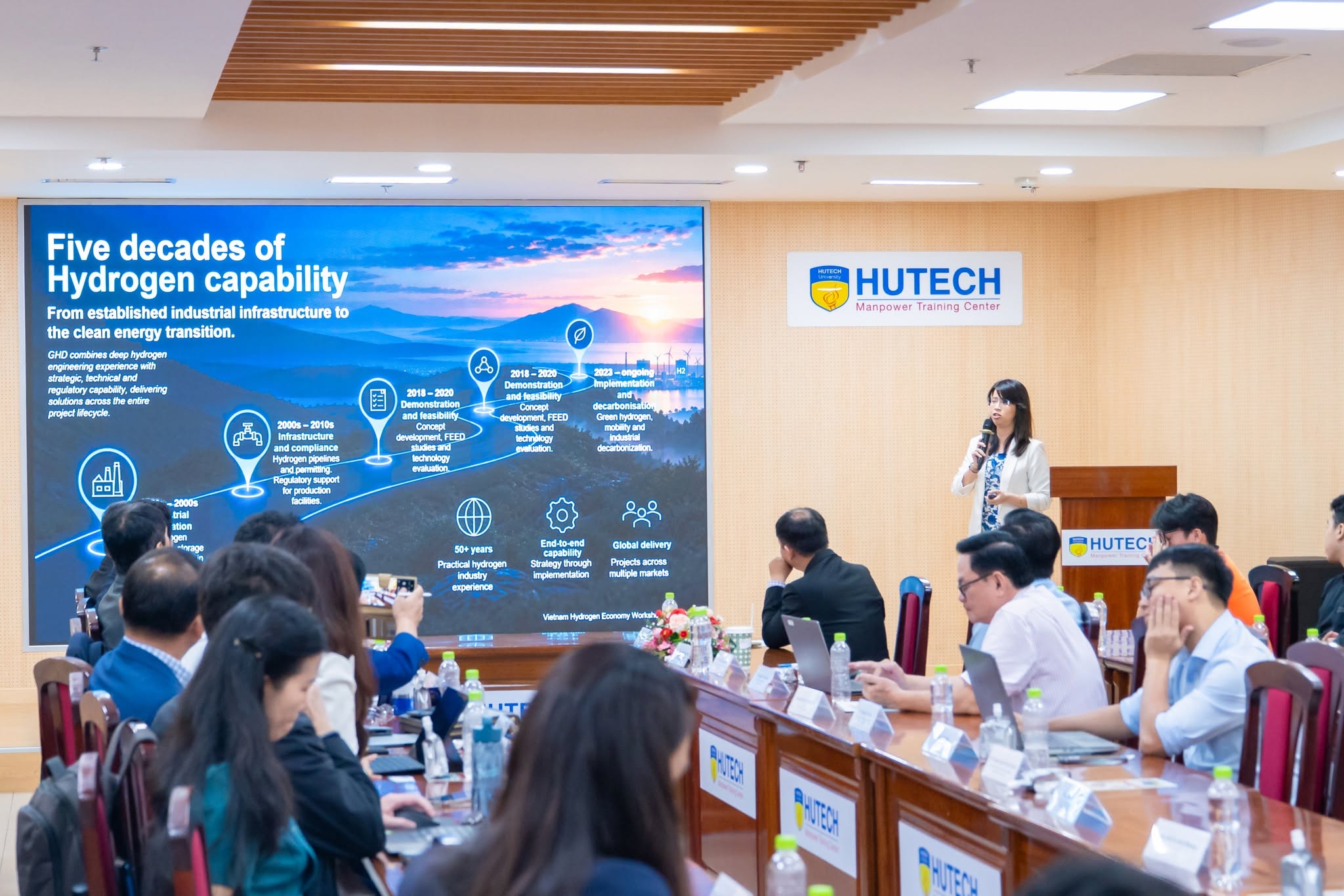
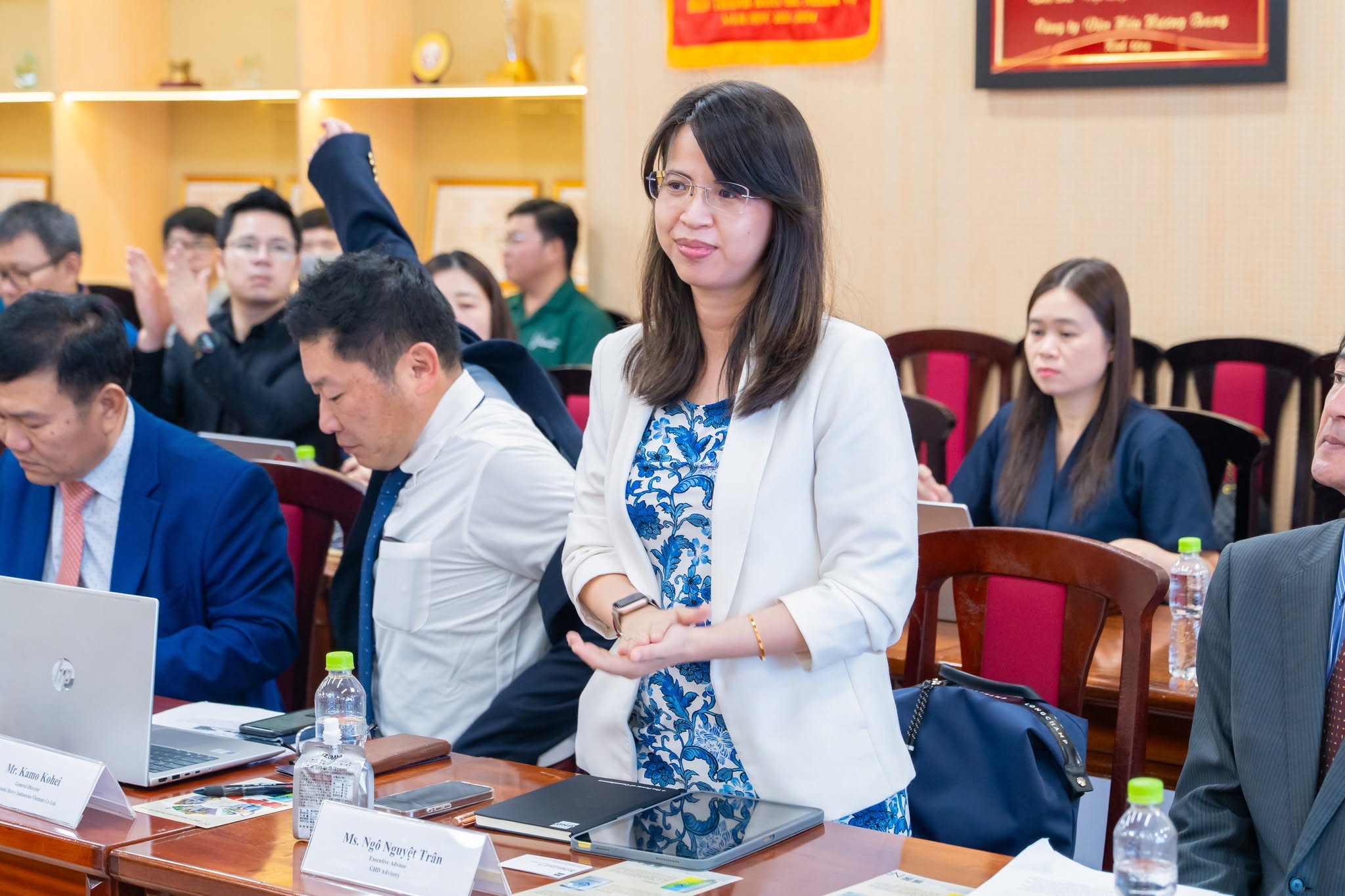
Ms. Ngô Nguyện Trân's presenting
Presentation 8: Hydrogen Circular Economy – Green Hydrogen from Wastewater
Ms. Ngo Nguyet Tran, Executive Advisor at GHD Advisory, presented the potential for producing green hydrogen from wastewater. Case studies include the Lodi Energy Center (California), which uses 19.7 litres of water per kilogram of hydrogen produced, and the Lulu Island Wastewater Treatment Plant (Canada), designed to produce 128 tonnes of green hydrogen per year. She highlighted circular-economy pathways, with vehicle fuelling being the most promising due to growing demand, limited supply and customer willingness to pay.
Closing
The workshop concluded with closing remarks and a networking session, opening up many opportunities for collaboration among participants. Delegates agreed that Vietnam needs to move from a fragmented approach to an integrated hydrogen economy model, in which research, production, storage, transportation, domestic consumption and export form a closed-loop value chain, generating profits and ensuring sustainability.