
Proposed Spaceport in Ca Mau: From Japanese Insights to a Large-Scale Green Hydrogen Demand Hub
April 5, 2026
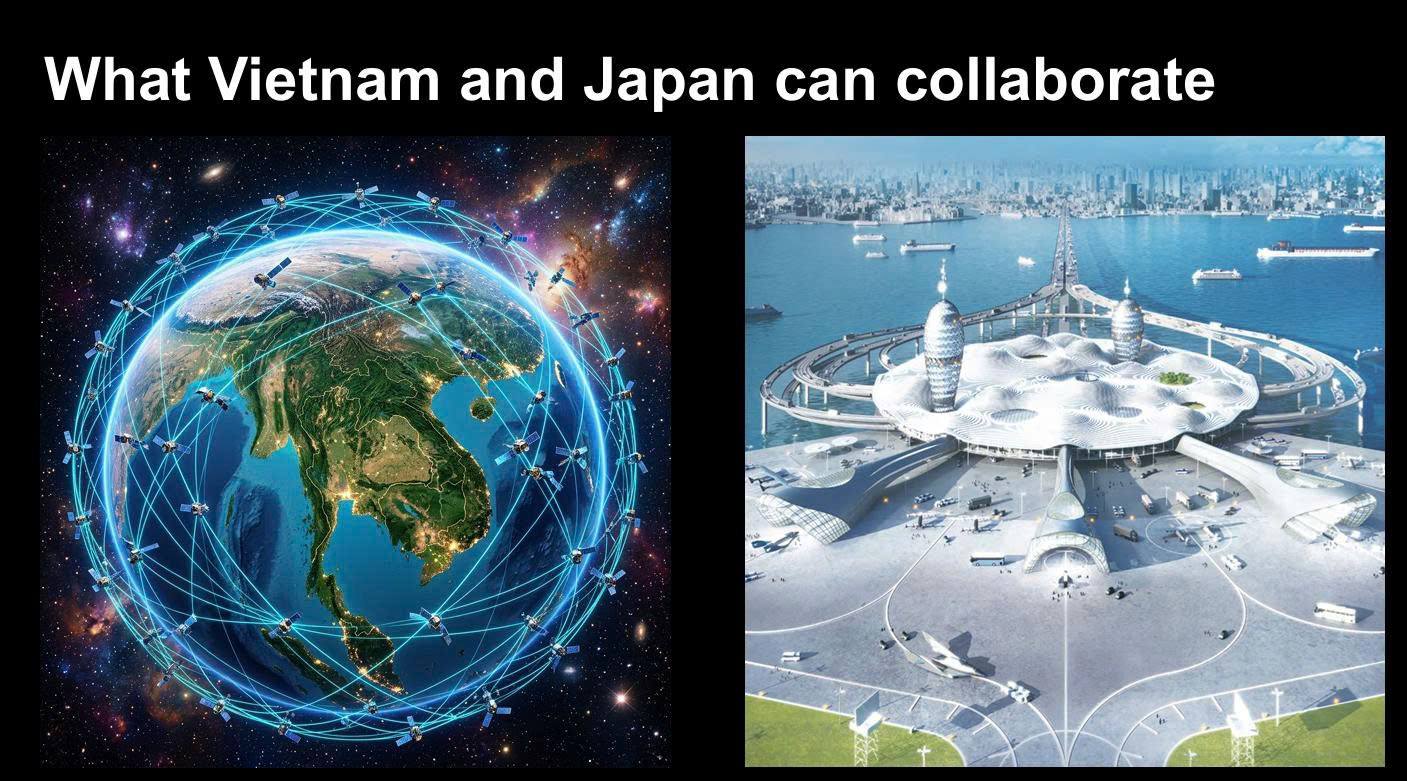
Vietnam ASEAN Hydrogen Club (VAHC), Pacific Group, in collaboration with Japanese spaceport technology partners, is currently seeking Vietnamese partners with large land holdings in the Ca Mau–Kien Giang region, as well as engagement with local and central government authorities and defense stakeholders, to jointly initiate a feasibility study for a zero-emission spaceport based on Japan’s lean development model.
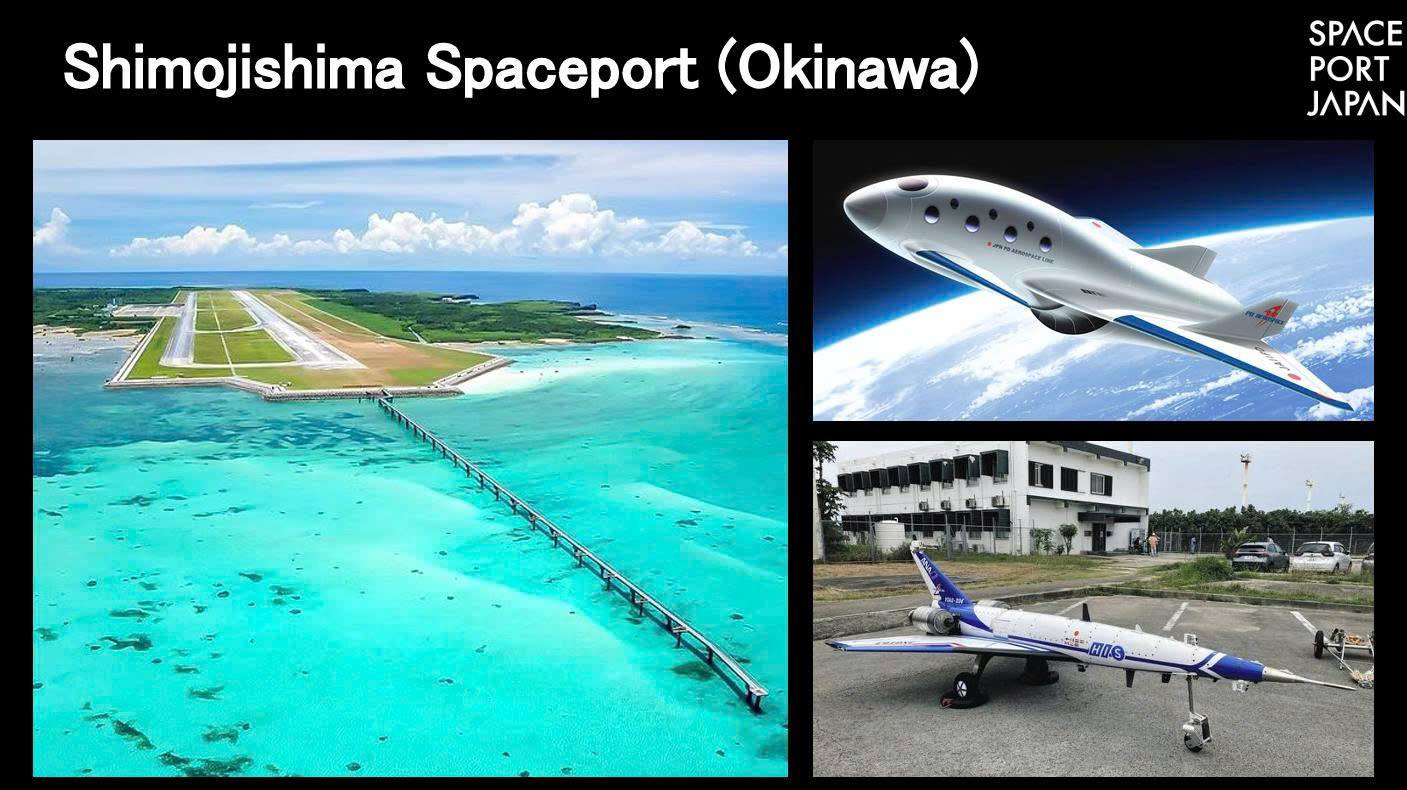
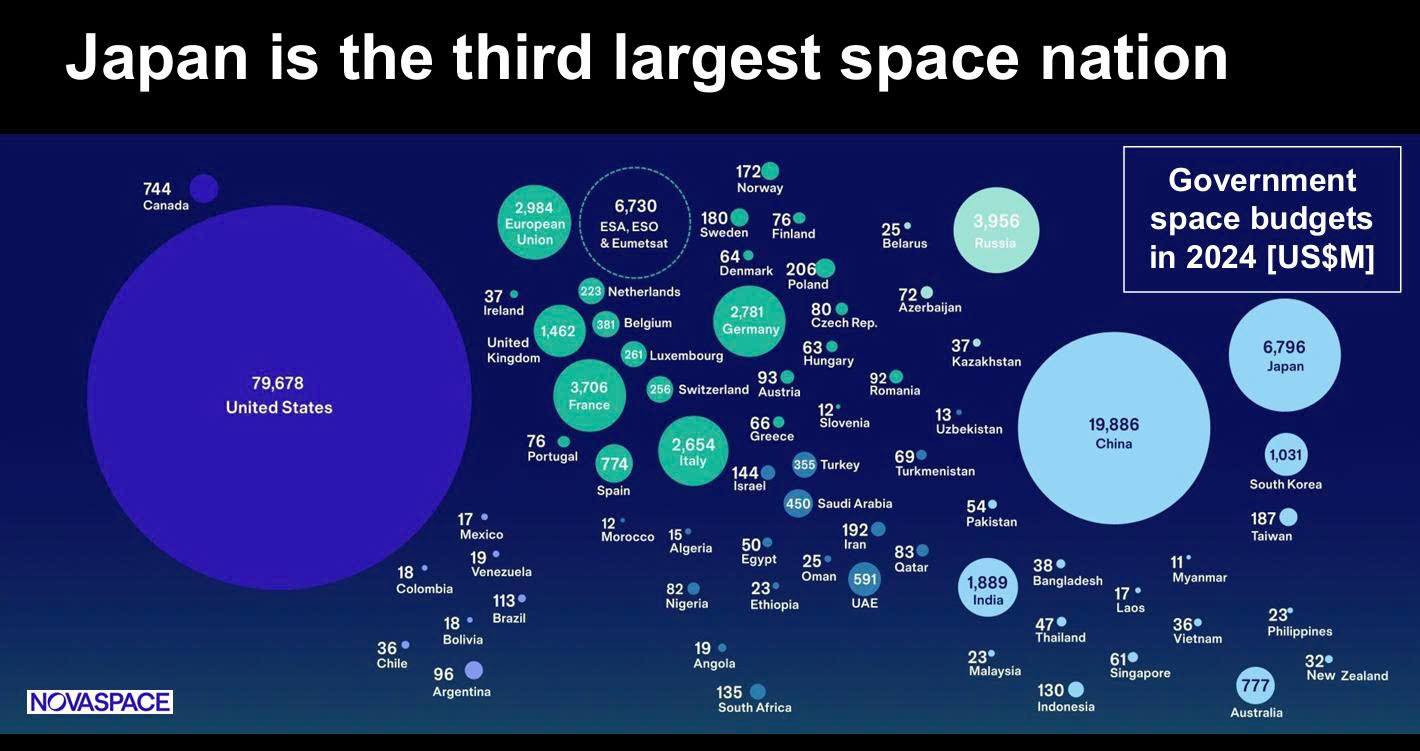
As the global space economy enters a phase of rapid expansion, Vietnam is beginning to explore strategic initiatives for spaceport development. Drawing on lessons from Japan—a country actively advancing commercial spaceport ecosystems—the proposed development in Ca Mau presents a new direction, particularly by positioning green hydrogen as a core energy pillar.
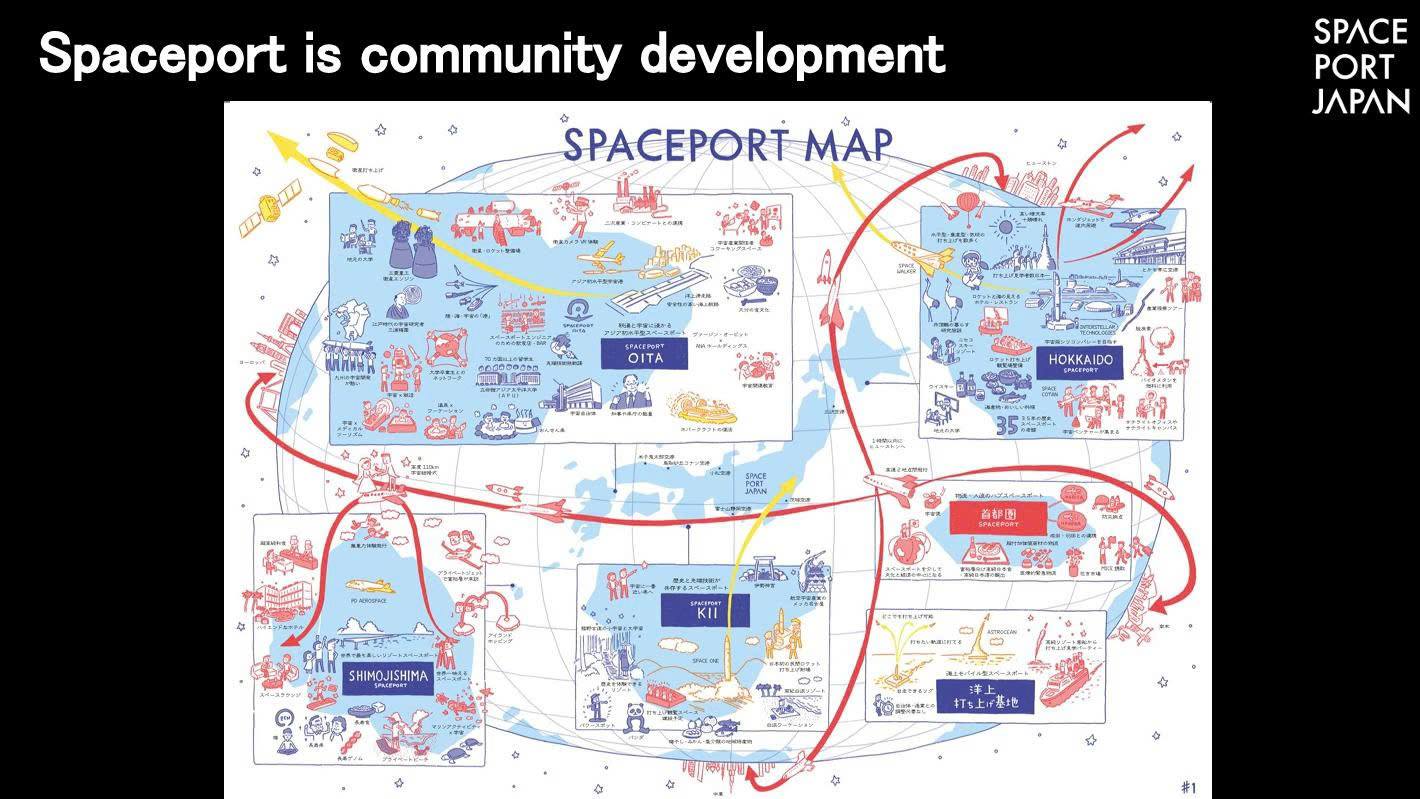
Lessons from Japan: Spaceports as Ecosystems, Not only Launch Sites
Experiences from Japan show that modern spaceports are no longer standalone infrastructure, but multi-sector economic ecosystems:
- In Hokkaido, local authorities are developing spaceport infrastructure into a regional space hub for East Asia, attracting both domestic and international satellite launch operators
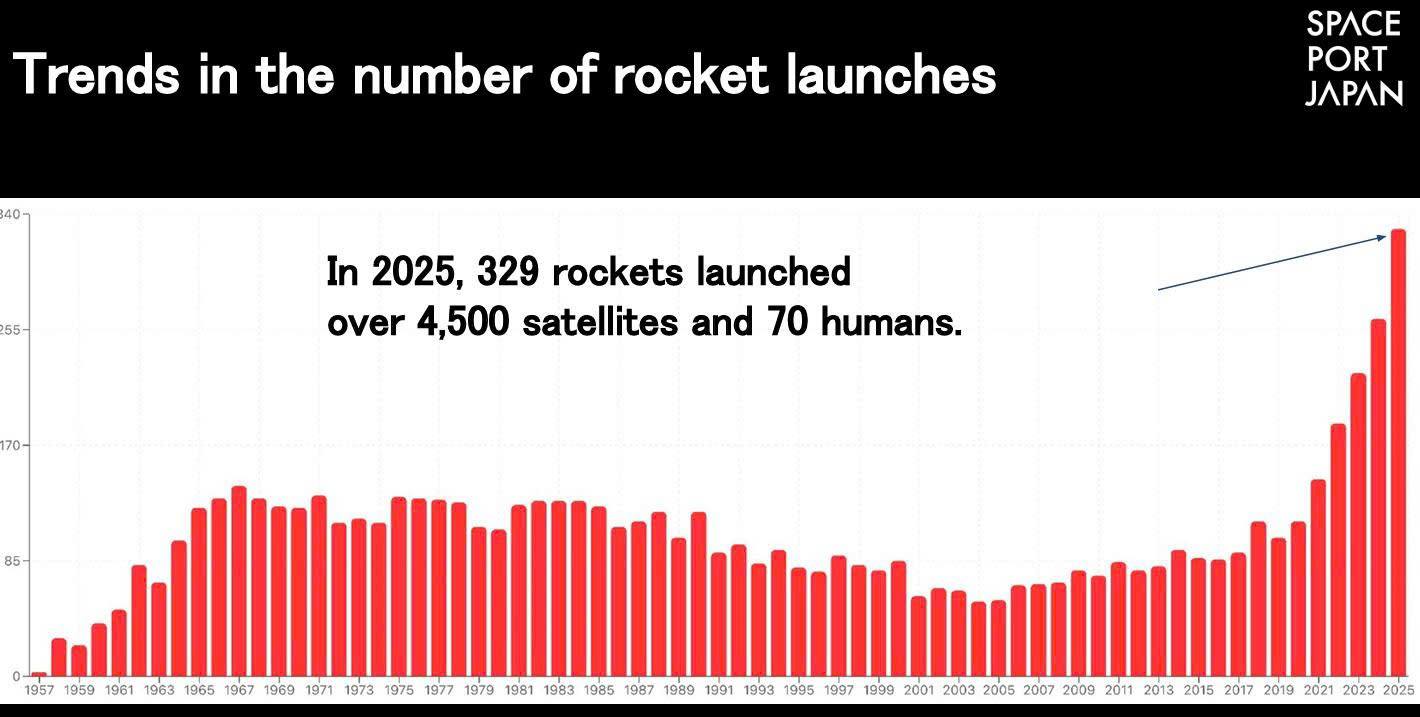
- Japan is promoting higher commercial launch frequency, targeting dozens of launches per year to achieve economic viability
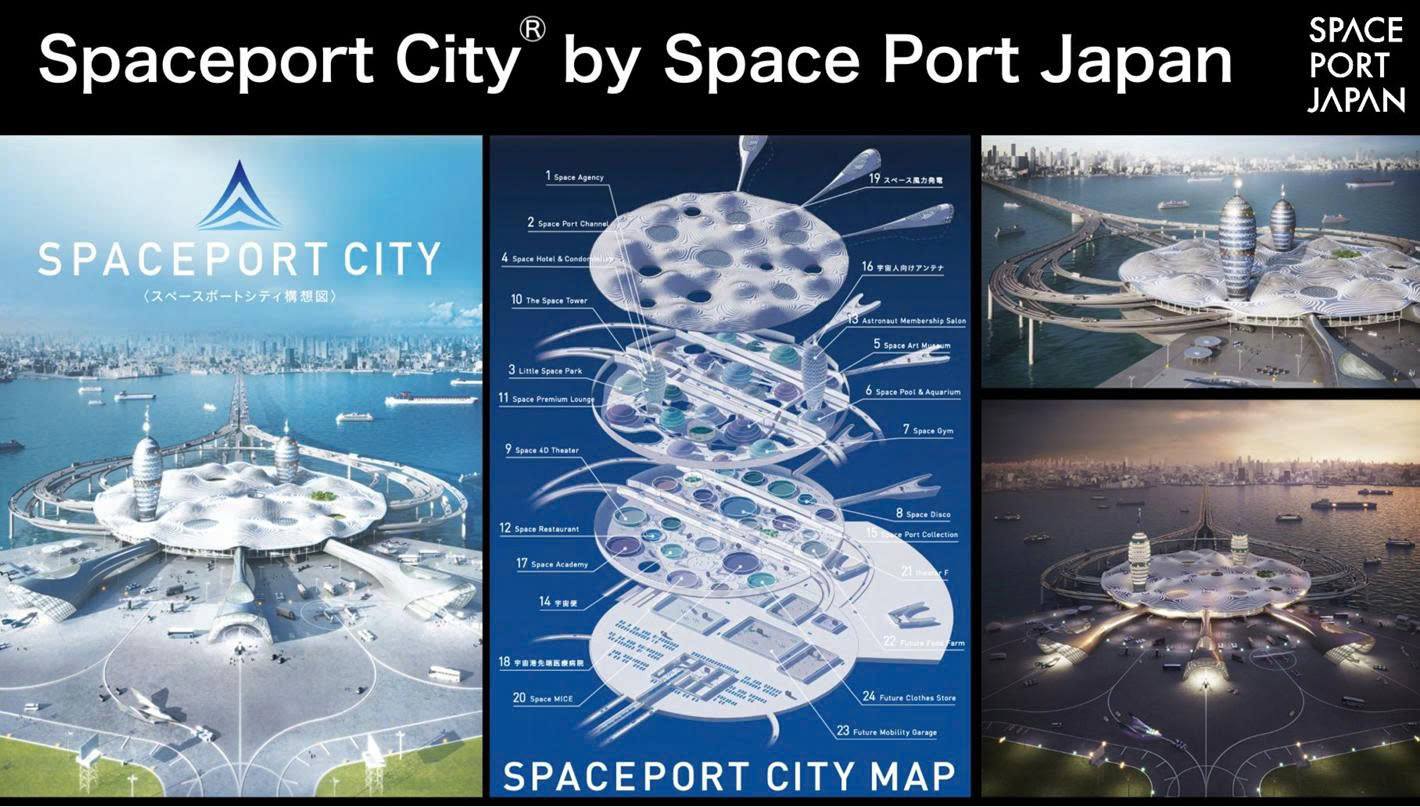
- “Next Generation Spaceport” initiatives bring together companies and universities to build integrated ecosystems combining energy, logistics, commerce, and even tourism
A key principle emphasized by Japan is:
Without stable launch demand, a spaceport cannot be sustainable.
This leads to a critical strategy: creating “anchor demand” by linking spaceports with energy and industrial sectors.
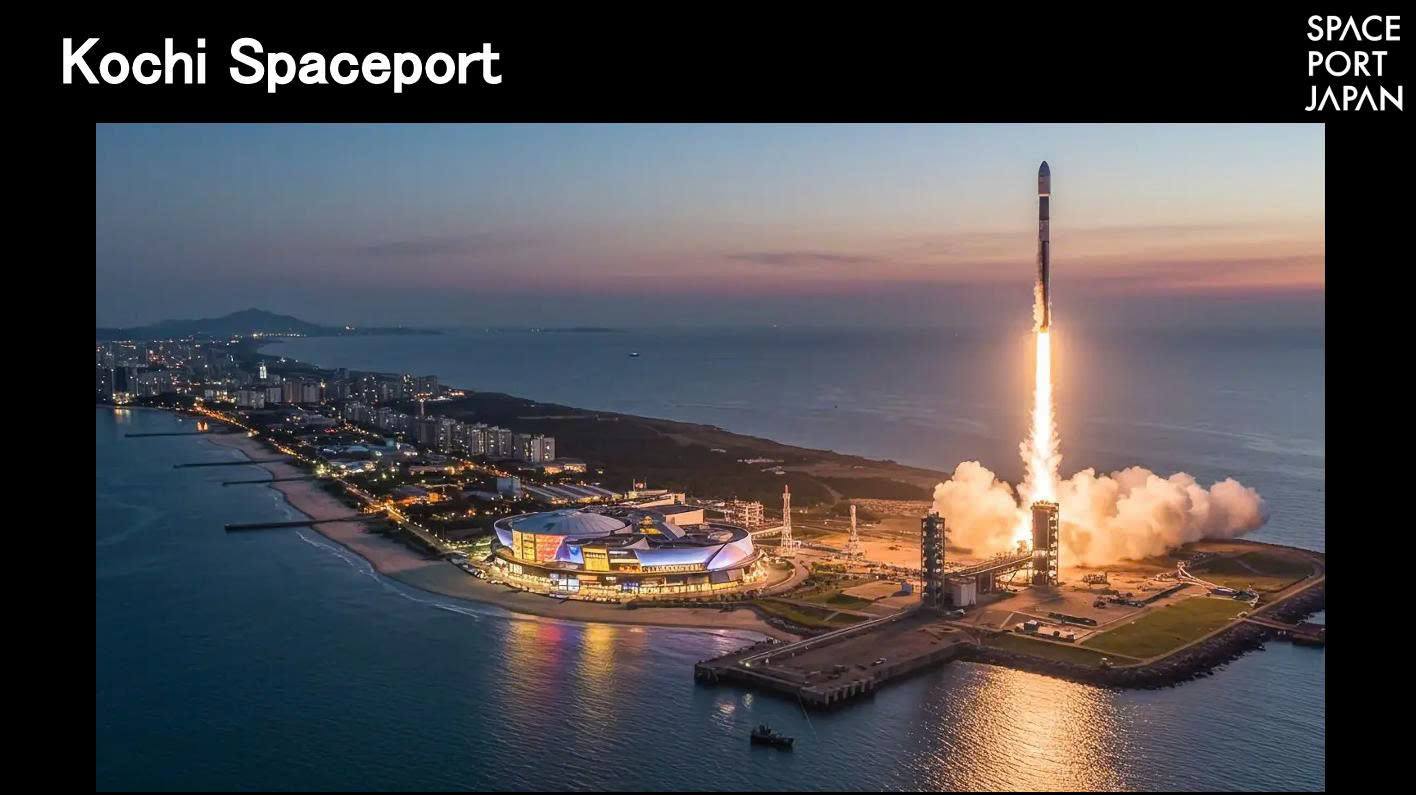
Ca Mau: A Strategic Location for an Energy-Integrated Spaceport
Applying these lessons, Ca Mau—Vietnam’s southernmost province—emerges as a highly strategic location due to:
- شرق-facing launch trajectories over the East Sea, ensuring operational safety
- Low air traffic density, similar to the Hokkaido model
- Significant renewable energy potential, including offshore wind and solar
Unlike conventional proposals focused solely on aerospace infrastructure, the Ca Mau concept is designed from the outset as:
An integrated Energy – Hydrogen – Industrial Spaceport
Green Hydrogen: Operational Foundation and Market Driver
A central feature of the proposal is the use of green hydrogen as the primary fuel for:
- Rocket propulsion (liquid hydrogen)
- Reusable spaceplanes and future space transportation systems
- Supporting infrastructure (testing, logistics, backup power systems)
In line with global trends, next-generation spaceports are shifting toward clean fuels, with hydrogen playing a pivotal role due to:
- Zero CO₂ emissions at the point of use
- High efficiency for rocket engines
Creating Vietnam’s First Hydrogen Anchor Demand
The true breakthrough of the project lies not only in launch technology, but in its scale of hydrogen consumption.
Based on Japanese experience—where spaceports are designed to increase launch frequency—hydrogen demand can:
- Remain large and stable, tied to launch cycles
- Grow alongside satellite deployment and commercial missions
This positions the spaceport as:
Vietnam’s first large-scale green hydrogen demand hub
Such anchor demand is essential to unlock investment in hydrogen production, addressing a key bottleneck in emerging markets: the lack of reliable offtake.
Integrated Model: Renewable Energy – Hydrogen – Spaceport
Hydrogen for the project can be produced locally in Ca Mau through:
- Offshore wind power (the Bac Lieu – Ca Mau region holds multi-gigawatt potential)
- Coastal solar power
- Or newly developed renewable energy projects integrated with electrolysis systems
This creates a closed-loop value chain:
Renewable Energy → Green Hydrogen → Spaceport Operations → Launch Demand → Expansion of Hydrogen Production
This model aligns closely with Japan’s vision of spaceports as cross-sector industrial platforms, rather than isolated technical facilities.
Strategic Opportunities for Vietnam
If successfully implemented, the Ca Mau spaceport could:
- Position Vietnam within the regional space economy value chain
- Establish a large-scale domestic hydrogen market, addressing the “no offtake” challenge
- Attract international investment in renewable energy and high-tech industries
More importantly, the project could reposition Vietnam not only as a hydrogen producer, but as:
A leading hydrogen consumer and application hub in one of the most advanced industries—space and aerospace
Conclusion
Japan’s experience highlights two fundamental principles:
- Spaceports succeed only when embedded within broader economic ecosystems
- Market demand—especially launch demand—is the decisive factor
In this context, the proposed spaceport in Ca Mau stands out by integrating:
- Strategic geography
- Abundant renewable energy resources
- And critically, the potential to serve as an anchor demand center for green hydrogen
This initiative could enable Vietnam to leapfrog into the global space economy while simultaneously unlocking a large-scale domestic hydrogen market.
Contact:
VAHC Secretariat
Email: contact@vahc.com.vn
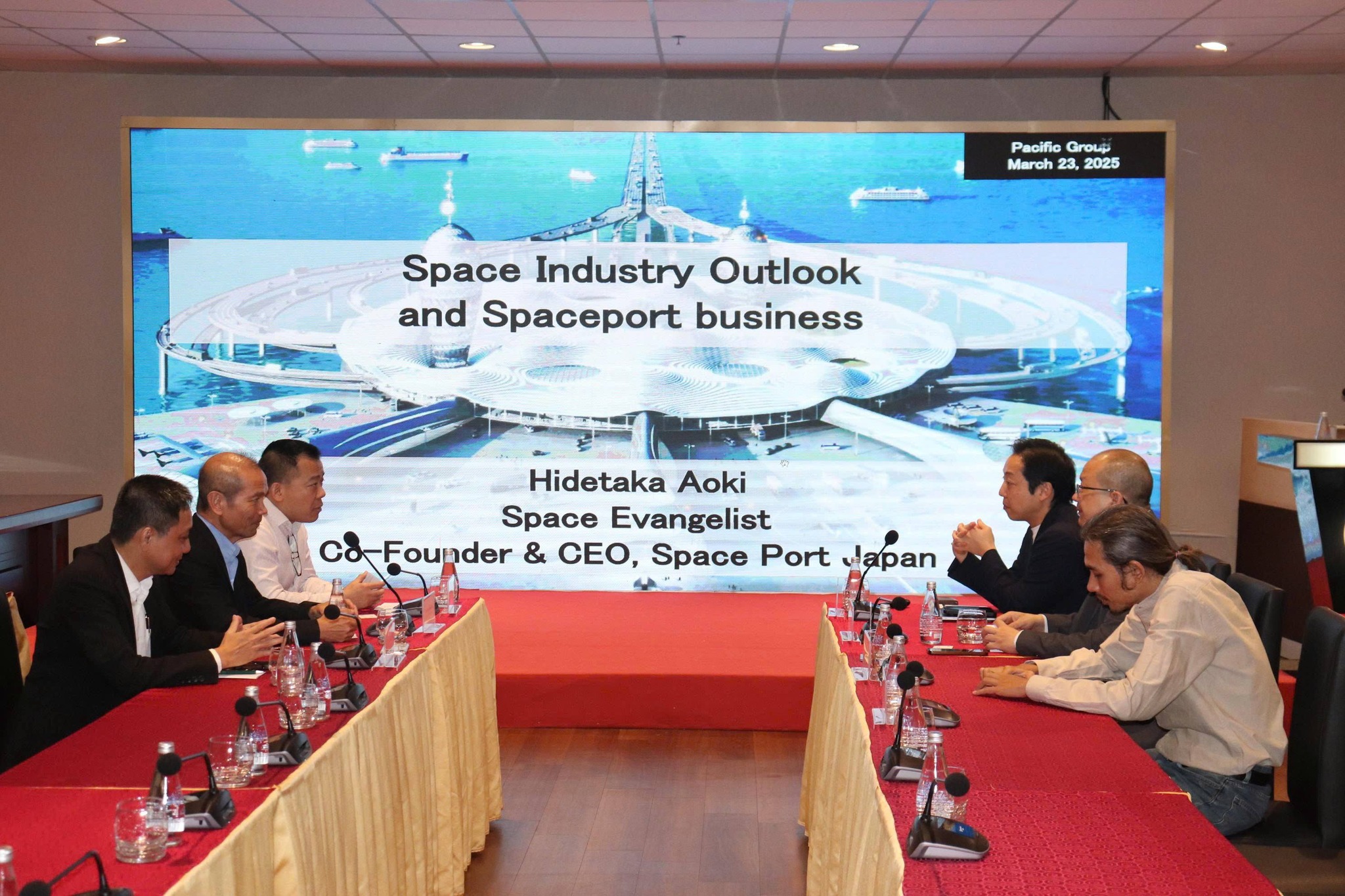
A recent discussion with Spaceport Japan in HCMC to learn about how Japan develop spaceports and what can collaborate with Vietnam. Photo taken on March 24, 2026