PROJECT CONCEPT FOR FS: SAIGON ZERO-EMISSION WATER METRO
Electric and Hydrogen Ferry System for Ho Chi Minh City
(Project Concept Proposal)
Prepared by Pacific Group for its hospitality partner in HCMC on March 15, 2026
1. Vision and Strategic Context
Ho Chi Minh City is one of Southeast Asia’s fastest-growing megacities and faces increasing challenges related to traffic congestion, air pollution, and climate resilience.
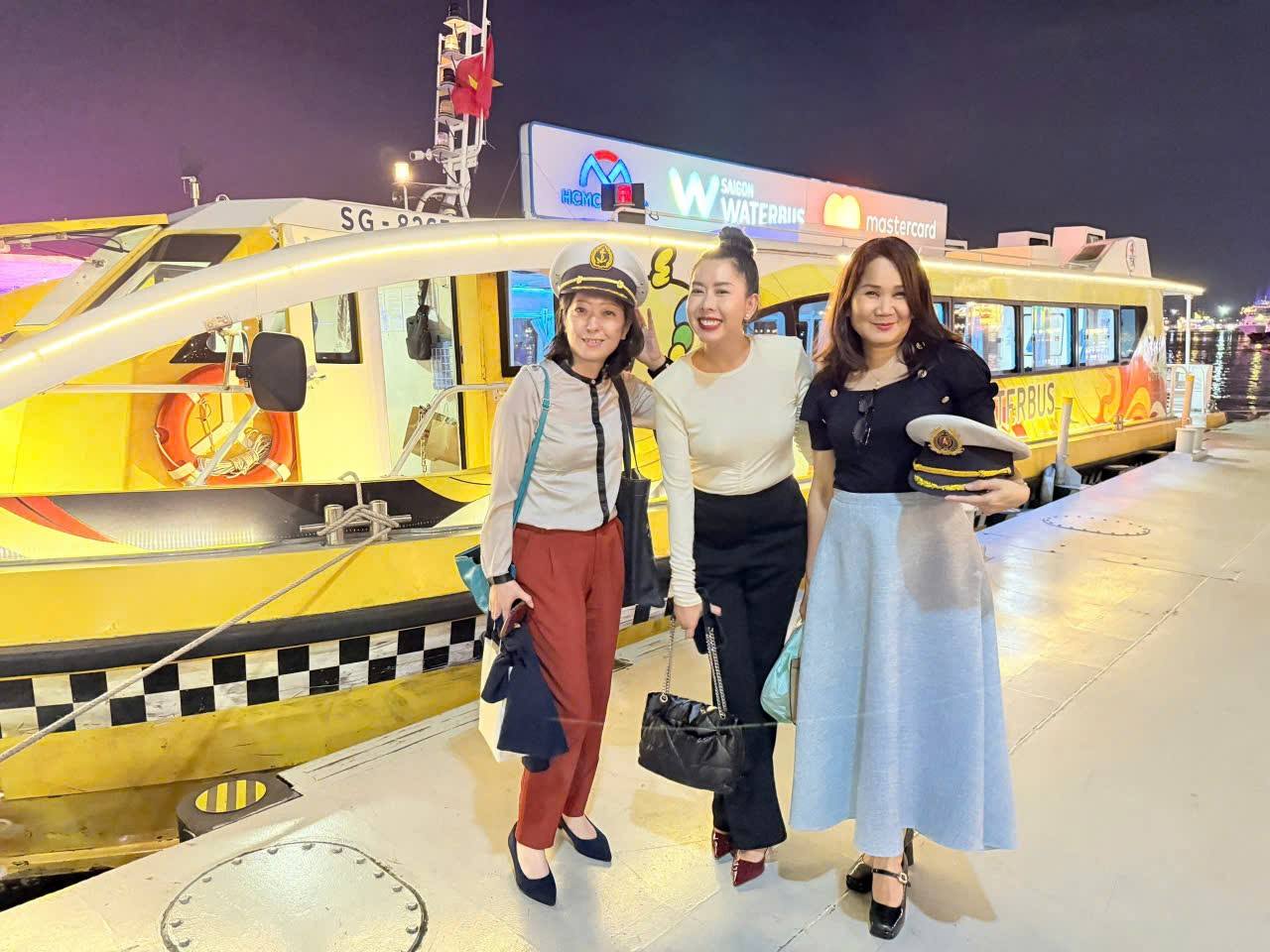
With more than 1,000 km of rivers and canals, the city possesses a unique opportunity to develop a modern water-based mass transit system. The Saigon Zero-Emission Water Metro Project proposes a network of electric and hydrogen ferries operating along the Saigon River and connecting major urban districts and regional transport hubs.
The project draws lessons from global water metro and electric ferry systems such as the Kochi Water Metro and electric ferry operations in Europe and the Nordic region.
A key strategic component of the project is a priority regional water corridor linking Ho Chi Minh City to Long Thanh International Airport, creating the first airport-connected water metro system in Southeast Asia.
The initiative aligns with Vietnam’s Net Zero 2050 strategy and Ho Chi Minh City’s plan to expand sustainable public transport.
2. Strategic Priority Corridor
Bach Dang Wharf – Long Thanh International Airport
The most important initial route of the Saigon Water Metro will connect Bach Dang Wharf in central Ho Chi Minh City with Long Thanh International Airport in Dong Nai Province.
Long Thanh Airport is located approximately 40 km east of the city center and is expected to become Vietnam’s largest international aviation hub. The first phase is planned to handle 25 million passengers annually when it opens around 2026.
Water Metro Airport Route Concept
Proposed route:
Bach Dang Wharf → Saigon River → Nha Be River → Dong Nai River → SwanBay / Aqua City Marina → Long Thanh Airport Shuttle Hub
Distance:
Approximately 22 km by water to Nhon Trach area.
Estimated travel time:
35–45 minutes by high-speed ferry.
Final connection:
Electric shuttle or autonomous bus from marina to airport terminal.
Strategic Advantages
Fast airport access
Bypasses highway congestion
Direct downtown connection
Tourism and commercial development along the river corridor
Climate-resilient alternative transport
Urban planners and transport experts have noted that integrating water transport with airport connectivity could significantly boost tourism and regional economic activity.
3. Saigon Water Metro NetworkThe water metro will function similarly to an urban rail network but operating on waterways.
Phase 1 Core Network
Main routes:
Bach Dang Wharf → District 4 → District 7 → Thu Duc City
Airport corridor:
Bach Dang Wharf → Nhon Trach → Long Thanh Airport
Secondary canals:
Nhieu Loc – Thi Nghe Canal
Tau Hu – Ben Nghe Canal
Future expansion corridors:
Can Gio eco-tourism route
Binh Thanh – Thanh Da Peninsula
Binh Duong industrial river corridor
4. Fleet Design
Initial fleet size:
10–15 zero-emission ferries
Passenger capacity:
50–80 passengers
Design features:
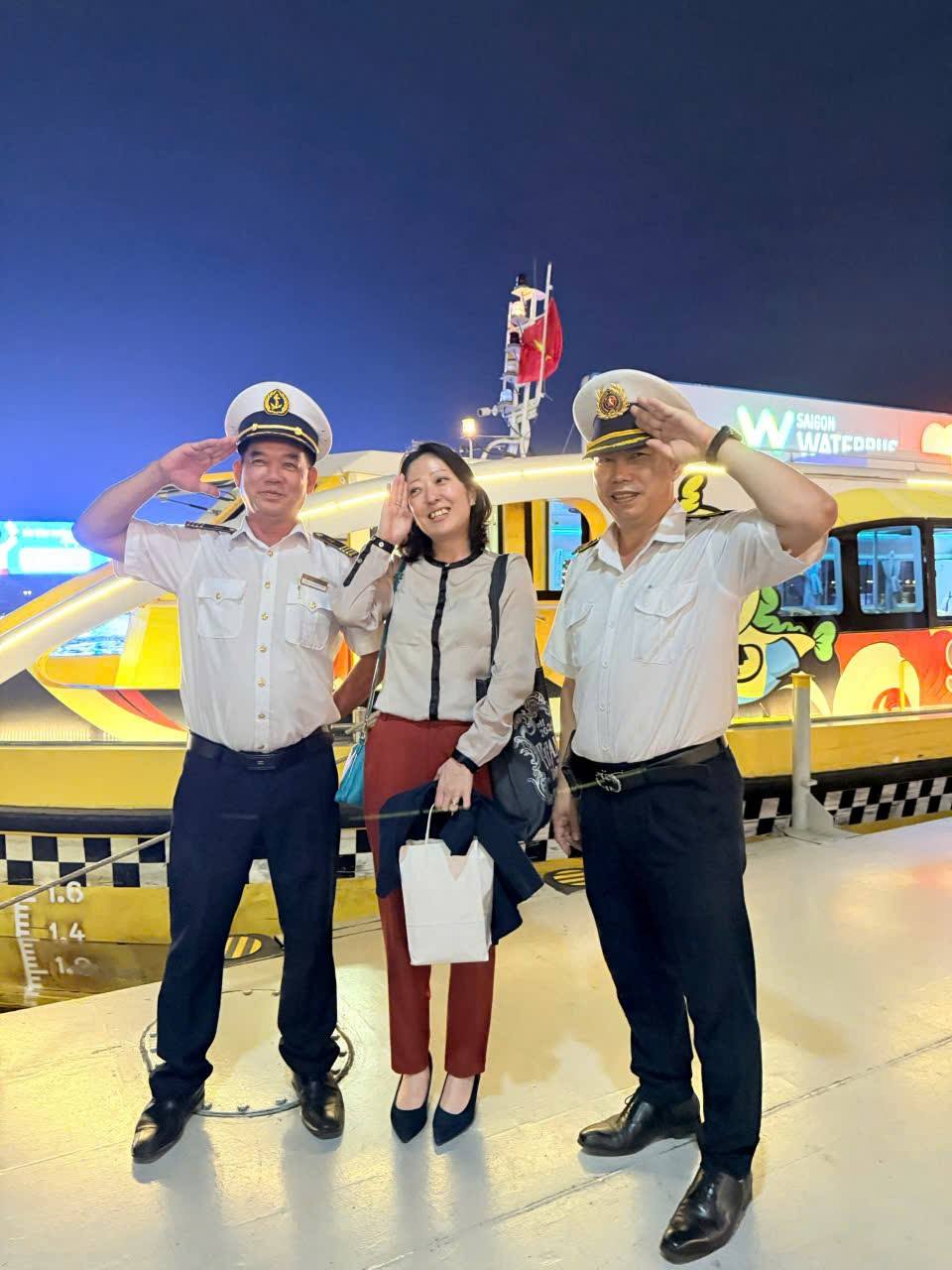
Shallow-draft catamaran hull
Low wake suitable for canals
Noise level below 55 dB
Universal accessibility
Digital systems:
Real-time passenger information
AI fleet management
Mobile ticketing and smart mobility integration
5. Technology Concept
The Saigon Water Metro will be deployed using a two-stage technology approach.
Phase 1 – Electric Ferries (Battery + Solar)
Technology:
Lithium battery propulsion
Solar photovoltaic roof panels
Shore charging stations
Advantages:
Lower capital investment
Proven technology globally
Ideal for short urban routes
Electric ferries similar to those produced by Damen Shipyards Group are widely used in European cities.
Phase 2 – Hydrogen Electric Ferries
Technology:
Hydrogen fuel cell propulsion
Battery hybrid backup
Green hydrogen refueling stations
Energy distribution:
70–80% hydrogen fuel cell
20–30% battery support
Benefits:
Longer operational range
Rapid refueling
Scalable maritime hydrogen ecosystem
Hydrogen vessel technologies are currently being explored by companies such as Mitsui O.S.K. Lines and Nordic ferry operators.
6. Smart Infrastructure
The water metro will operate with integrated smart infrastructure.
Key components:
Floating modular terminals
Solar-powered docking stations
Fast electric charging points
Hydrogen refueling infrastructure
Digital systems:
Smart ticketing application
Passenger flow analytics
Real-time fleet management
7. Environmental and Economic Impact
Environmental benefits:
Zero direct CO₂ emissions
Estimated reduction of 15,000 tons of CO₂ annually
Lower urban noise pollution
Urban mobility benefits:
Reduced road congestion
Improved access to Long Thanh Airport
Economic benefits:
Creation of over 500 green jobs
Potential attraction of USD 50 million or more in climate investments
The project could also catalyze riverfront urban development and eco-tourism.
8. International Technology Partners (Potential)
The project will seek partnerships with leading international companies in maritime innovation.
Netherlands
Electric ferry technology
Example partner:
Damen Shipyards Group
Expertise:
Electric ferry shipbuilding
Modular maritime infrastructure
Sweden
High-efficiency electric hydrofoil ferries
Example partner:
Candela Technology AB
Technology:
Ultra-efficient electric ferries with reduced energy consumption
Japan
Hydrogen maritime technology
Example partner:
Mitsui O.S.K. Lines
Focus:
Hydrogen maritime propulsion
Green shipping
Norway
Hydrogen ferry operations
Example operator:
Norled
Expertise:
Zero-emission ferry operations
India
Urban water metro system experience
Example partner:
Cochin Shipyard Limited
Builder of the Kochi Water Metro
9. Implementation Roadmap
Phase 1 (0–12 months)
Feasibility study
Environmental impact assessment
MoU signing with international partners
Phase 2 (12–24 months)
Pilot operation:
5 electric ferries
Route:
Bach Dang Wharf → Nhon Trach
Construction of:
4 floating solar terminals
Phase 3 (24–36 months)
Deployment:
10–15 ferries
Infrastructure:
Hydrogen production and refueling stations
Integration with Long Thanh Airport transport network.
10. Strategic Significance
The Saigon Water Metro will position Ho Chi Minh City as:
A pioneer in zero-emission urban water transport in Southeast Asia
A demonstration hub for hydrogen maritime mobility
A regional model for climate-resilient urban transport systems
The airport water corridor could also become one of the first airport-connected water metro systems in the world.
11. Project Initiators
Mr. Le Ngoc Anh Minh
Executive President
Pacific Group, email: tarominh@gmail.com
Mr. Nguyen Manh Hung
Former General Director
Saigon Waterbus