
Lien Chieu Port – FTZ – IFC Da Nang: Opportunity to build an integrated green logistics ecosystem with hydrogen and renewable energy
VAHC Secretariat | April 25, 2026
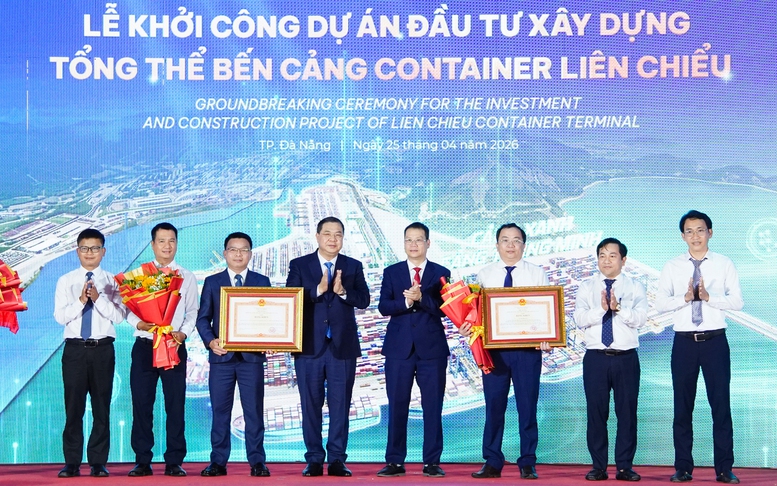
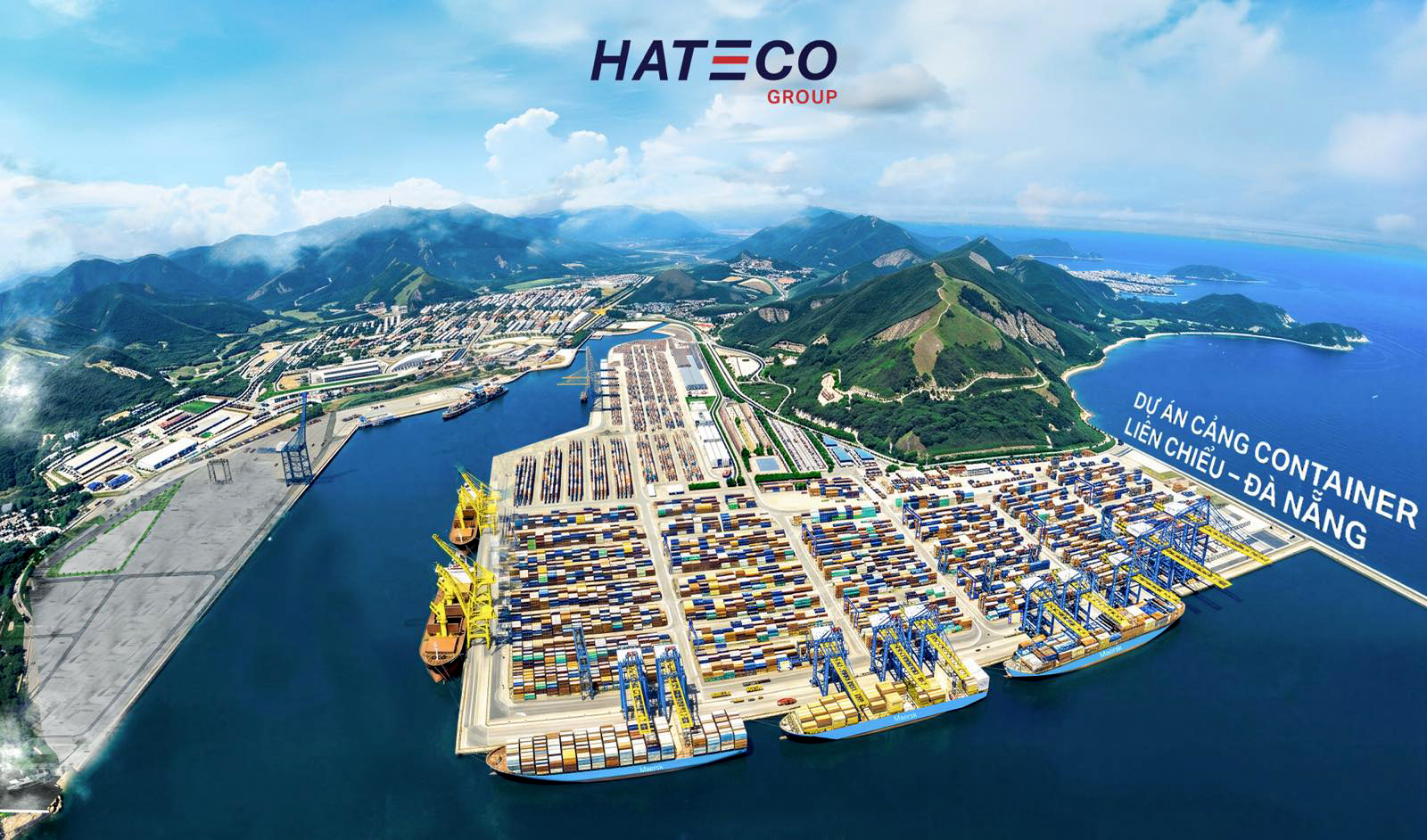
The Lien Chieu Port project in Da Nang is being developed as a new international gateway port for Central Vietnam, and is positioned as a core infrastructure node within an integrated economic structure combining the Da Nang Free Trade Zone (FTZ) and the International Financial Center (IFC).
1. Project scale and investment structure
Lien Chieu Port is planned as a special-class seaport aimed at becoming an international transshipment hub:
- Total Phase 1 investment: approximately VND 45 trillion
- Planned area: around 172.6 hectares
- Designed capacity: approximately 5.7 million TEUs per year (about 74 million tons of cargo annually)
- Capable of handling container vessels up to approximately 18,000 TEUs
The project is implemented under a public–private partnership (PPP) model, where the State invests in common infrastructure such as navigation channels, breakwaters, and transport connectivity, while private investors develop and operate terminal facilities.
The main investor consortium includes Hateco Group (Vietnam) and APM Terminals (Netherlands, under Maersk Group), responsible for developing and operating container terminals under international standards.
2. Green port orientation and technology gap
Lien Chieu Port is planned as a modern port facility aligned with green and smart port standards, including:
- Automation of cargo handling operations
- Digitalized logistics management systems
- Reduction of greenhouse gas emissions
- Improved energy efficiency in port operations
However, in its current design stage, hydrogen and ammonia-based energy systems are not yet integrated as mandatory components, and a fully integrated renewable energy system at port level has not been established. This represents a strategic opportunity for early-stage integration to avoid future carbon lock-in.
3. Hydrogen and ammonia integration opportunities
Given global maritime decarbonization trends, a “hydrogen-ready port” approach could be considered from the early development phase.
Potential integration areas include:
- Electrification of port equipment such as gantry cranes and RTG systems
- Deployment of hydrogen fuel cell or hybrid hydrogen-electric vehicles for internal logistics
- Use of hydrogen or ammonia for tugboats and marine service vessels
- Replacement of diesel-based backup generators with clean fuel systems
In parallel, renewable energy infrastructure is essential:
- Offshore and coastal wind power in Central Vietnam
- Rooftop solar systems across port and logistics facilities
- Energy storage systems combining batteries and hydrogen
This could enable the development of on-site hydrogen production, storage, and distribution infrastructure, forming a low-carbon logistics ecosystem.
4. Role of Da Nang Free Trade Zone (FTZ)
The Da Nang FTZ is currently under institutional development and investment attraction phase, aiming to become an integrated zone for logistics, manufacturing, and international trade.
Lien Chieu Port serves as the primary gateway for FTZ operations, enabling:
- Reduced logistics costs for import and export activities
- Integrated supply chains across manufacturing and distribution
- Attraction of international industrial and logistics investors
The FTZ is expected to become a key economic space where port infrastructure plays a decisive role in competitiveness.
5. International Financial Center (IFC) Da Nang and ecosystem integration
The IFC Da Nang is currently in the policy design stage, focusing on legal frameworks and institutional development.
Its strategic orientation includes:
- Green finance and sustainable finance
- International trade and financial services
- Fintech and digital financial systems
While IFC provides capital and financial connectivity, the port and FTZ provide physical trade and logistics flows, forming an integrated structure of logistics, trade, and finance.
6. Conclusion
Lien Chieu Port is not only a transport infrastructure project but a strategic node in Da Nang’s emerging integrated economic system.
In the context of global decarbonization, early integration of hydrogen, ammonia, and renewable energy into port design—aligned with FTZ and IFC development—will create long-term competitive advantages, reduce future transition costs, and strengthen Vietnam’s position in global logistics networks.
INTERNATIONAL REFERENCE SECTION: GREEN PORTS INTEGRATING HYDROGEN IN OPERATIONS AND LOGISTICS
In the context of the global energy transition, many international seaports have begun to implement the model of green ports integrated with hydrogen. These ports not only use hydrogen as a fuel for transport and operational equipment, but also develop full-scale infrastructure for hydrogen import, production, and storage within port areas.
The following are representative examples:
1. Port of Rotterdam (Netherlands)
The Port of Rotterdam is one of Europe’s leading hydrogen hubs.
- Development of a large-scale hydrogen import hub
- Planning of hydrogen pipeline networks connecting the port to European industrial clusters
- Cooperation with green hydrogen production projects in the Middle East, Southern Europe, and North Africa
- Development of an integrated ecosystem including:
- hydrogen production
- ammonia import as a hydrogen carrier
- domestic distribution for industrial and logistics use
Role: The port is evolving into Europe’s “energy gateway,” functioning not only as a cargo hub but also as a hydrogen energy hub.
2. Port of Hamburg (Germany)
The Port of Hamburg has a strong focus on decarbonizing logistics:
- Development of the Hydrogen Industry Hub Hamburg
- Establishment of infrastructure for hydrogen imports via sea routes (ammonia and liquefied hydrogen)
- Application of hydrogen in:
- internal port trucks
- cargo handling equipment
- maritime support vessels
- Integration with Germany’s National Hydrogen Strategy
Key feature: an integrated model of “port + hydrogen cluster + industrial demand.”
3. Port of Antwerp–Bruges (Belgium)
One of Europe’s largest petrochemical ports is undergoing a major transition toward hydrogen:
- Development of hydrogen import corridors from the Middle East and South America
- Construction of infrastructure including:
- ammonia cracking facilities for hydrogen extraction
- large-scale hydrogen storage systems
- Application of hydrogen in:
- port logistics operations
- green petrochemicals
- internal port transportation
Strategic direction: evolving into a multi-energy port combining hydrogen, petrochemicals, and electrification.
4. Port of Kawasaki (Japan)
Japan is a pioneer in hydrogen port ecosystems:
- Development of the Kawasaki Hydrogen Roadmap linked to port infrastructure
- Import of hydrogen in forms such as:
- ammonia
- methylcyclohexane (MCH)
- Application of hydrogen in:
- nearby power plants
- port logistics operations
- port service vehicles
- Development of a supply chain linking Australia and Japan
Strength: strong integration of hydrogen into national energy security strategy.
5. Australia–Japan Hydrogen Supply Chain Model
Several joint projects between Australia and Japan are developing international hydrogen supply chains:
- Hydrogen export from Australia to Japan via:
- liquefied ammonia
- liquefied hydrogen
- Ports serving as:
- hydrogen export terminals
- energy conversion and storage hubs
This represents a shift from traditional cargo ports to energy export ports.
STRATEGIC INSIGHTS FOR LIEN CHIEU PORT
From international experience, three key trends can be identified:
(1) Ports evolving into energy hubs
Ports are no longer only cargo handling facilities but are becoming centers for:
- hydrogen and ammonia import
- clean fuel distribution
- integration with energy-intensive industries
(2) Port decarbonization through hydrogen adoption
Key operational areas transitioning to hydrogen include:
- cargo handling equipment such as RTG cranes and yard cranes
- internal port logistics trucks
- tugboats and marine service vessels
Transition pathway: electricity + hydrogen + ammonia systems replacing diesel-based operations.
(3) Early-stage integration of energy infrastructure
Leading ports are embedding energy systems from the initial design phase, including:
- hydrogen and ammonia storage facilities
- offshore wind and solar power generation
- onsite electrolysis systems for hydrogen production
IMPLICATIONS FOR LIEN CHIEU PORT – DA NANG
If aligned with international best practices, Lien Chieu Port could:
- Become the first integrated green logistics and energy port in Central Vietnam
- Be directly linked with the Free Trade Zone as an “industrial hydrogen zone”
- Form a full value chain:
renewable electricity → hydrogen → green port → international logistics → green finance (IFC)
This approach would:
- Reduce future decarbonization transition costs
- Attract green FDI from the EU, Japan, and Korea
- Strengthen Vietnam’s long-term competitiveness in low-carbon global logistics chains