

IKONOMY: A Hybrid Model of Hydrogen Technology & Digital Economy for the Southeast Asian Fisheries Sector
VAHC Secretariat, Ho Chi Minh City, December 23, 2025
IKONOMY is not merely a hydrogen technology startup. It is a visionary business model that seamlessly combines practical “greening” solutions with a digital transformation roadmap for a traditional marine economy sector. With a user-centric (fishermen) approach and a focus on solving core issues, IKONOMY has a real opportunity to drive positive, sustainable change, deliver tangible economic value to communities, and contribute to the green development of Southeast Asia.
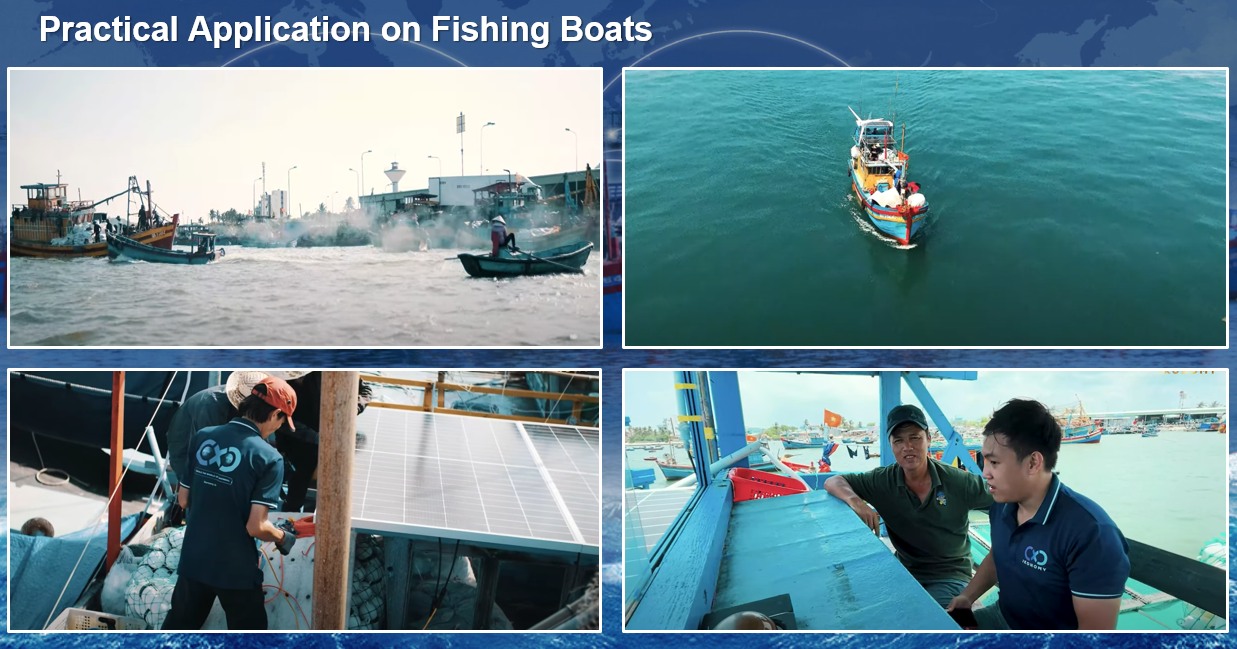
Under the leadership of Founder Nguyen Nguyen Quang, IKONOMY is implementing a highly feasible “root-level” greening innovation model. The company does not wait for a complete hydrogen infrastructure but takes a practical approach: transforming each fishing vessel into a mobile “green hydrogen plant” powered by solar and wind energy.

Nguyen Nguyen Quang
Chairman and Founder, Ikonomy, H2 Tech
In-Depth Technology and Strategy Analysis
1. Physical Technology Foundation: Decentralized Hydrogen System
IKONOMY builds its solution on three core technology pillars:
A. On-Site Green Hydrogen Electrolysis Technology:
-
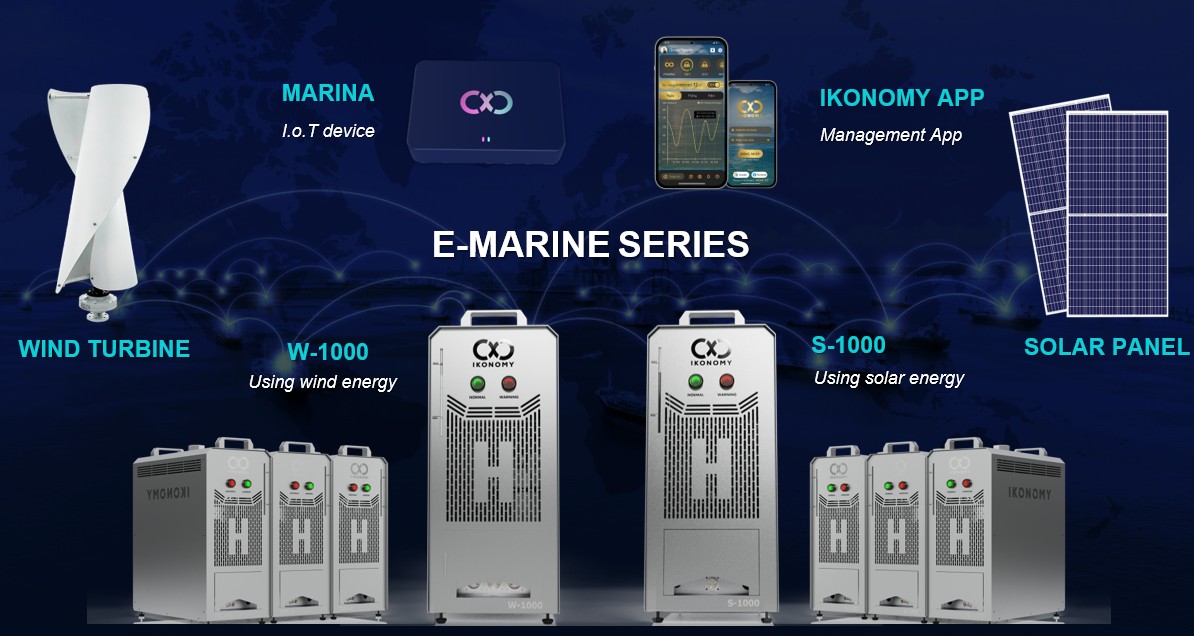
Main Products: S-1000 hydrogen electrolyzer (solar) and W-1000 (wind)
-
Specifications: 1kW capacity, modular design for fishing vessels
-
Operating Principle:
-
Utilize surplus renewable energy on vessels
-
Produce green hydrogen via water electrolysis
-
Supplement injection into existing diesel engines
-
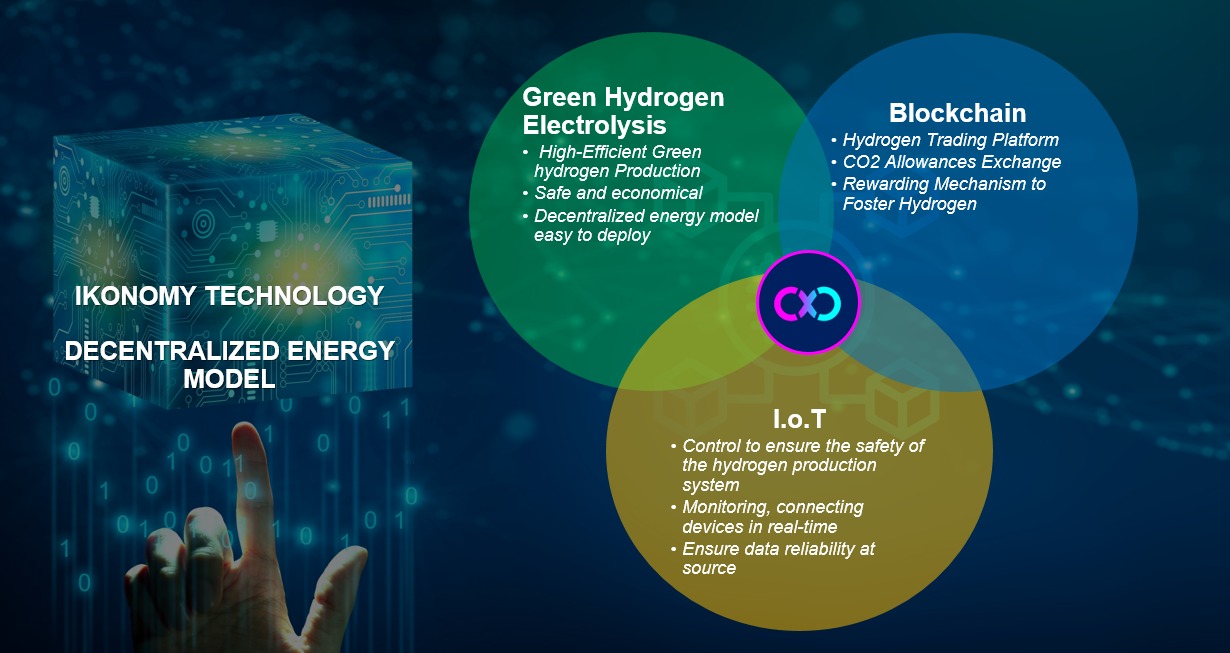
B. IoT and Smart Monitoring System:
-
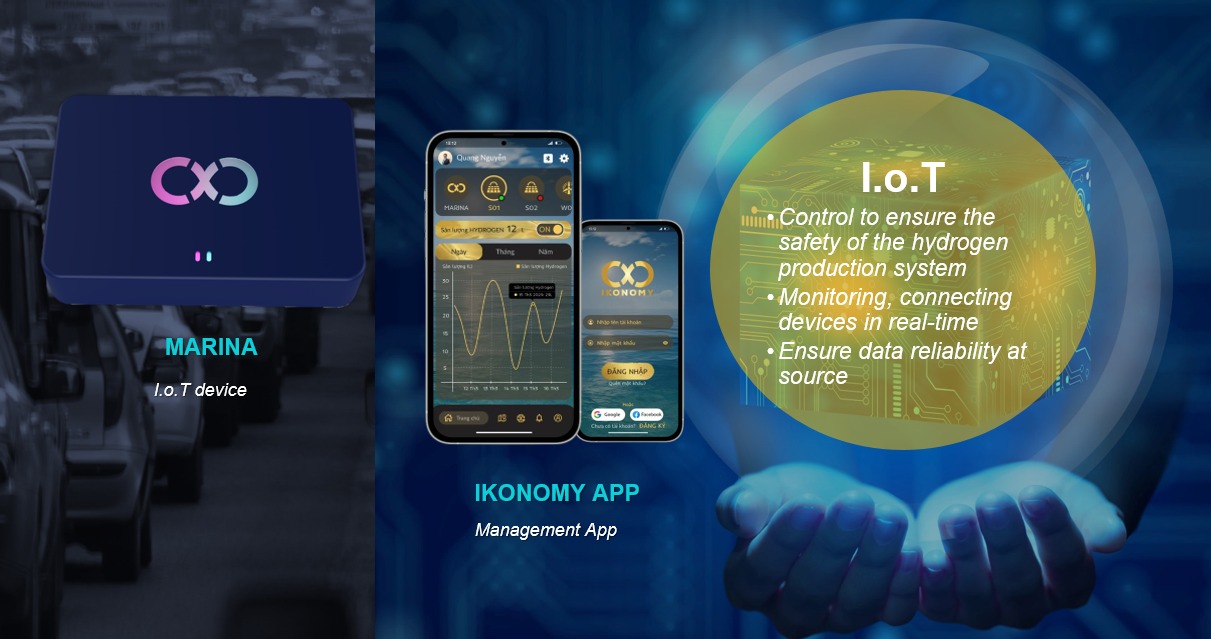
Device MARINA: IoT gateway for real-time data collection
-
Functions:
-
Monitor hydrogen production system safety
-
Track engine performance and fuel savings
-
Predictive maintenance based on data
-
Satellite/4G connectivity for offshore operations
-
C. Integrated Management Application:
-
IKONOMY APP: Management platform for fishermen
-
Functions:
-
Track fuel savings
-
Manage equipment maintenance
-
Access logistics services
-
Carbon credit transactions
-
2. Layered Technology Architecture
Layer 1 – Data Transmission:
Fishing vessel → IoT device → Cloud → Blockchain
Terminal devices: Solar/Wind → Electrolyzer → Engine
Connection: GPRS/4G/Starlink for offshore areas
Collected data: Location, performance, fuel, emissions
Layer 2 – Application Platform:
-
Phase 1: DeFi Platform + Hydrogen Exchange
-
Phase 2: Launchpad + CO2 Allowances Exchange
-
Integration: Smart Contracts for automated transactions

3. Practical Deployment Strategy
A. Market Roadmap:
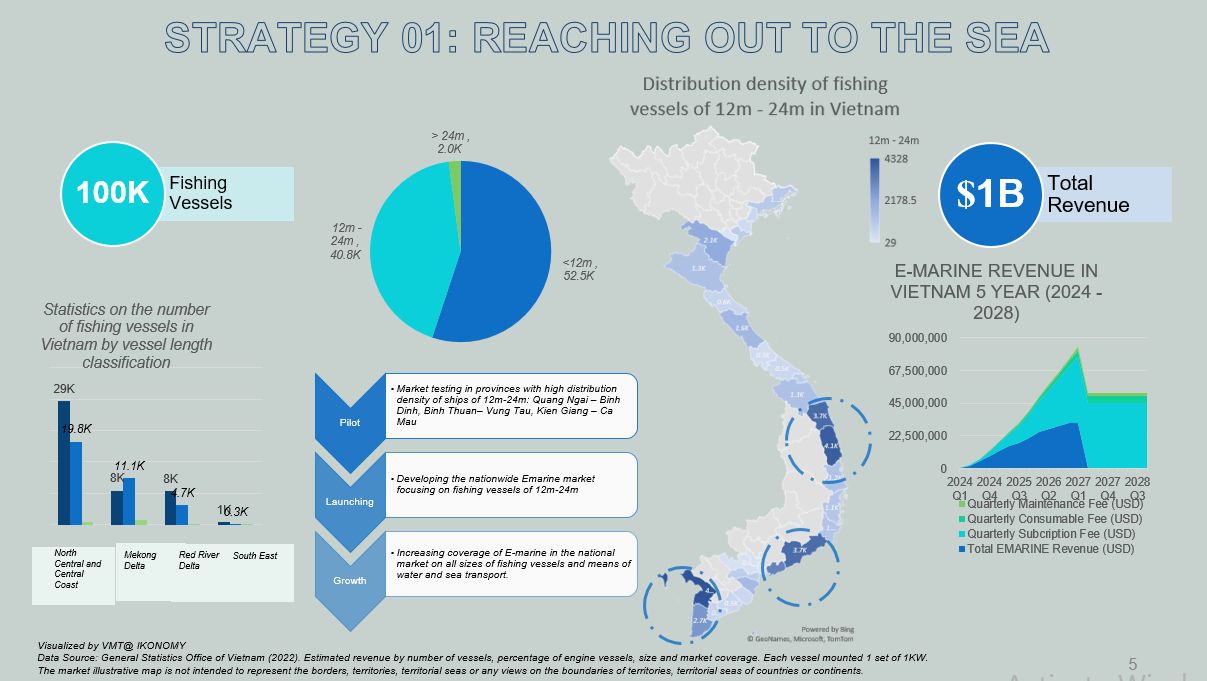
| Phase | Objective | Area | Target Number of Vessels |
|---|---|---|---|
| Pilot (2024) | Market testing | Kien Giang, Binh Thuan, Khanh Hoa, Ca Mau | 1,000 vessels |
| Launch (2025–2026) | National market development | Focus on 12m–24m vessels | 20,000 vessels |
| Growth (2027–2028) | Expansion | All watercraft | 50,000+ vessels |
B. Projected Revenue Model in Vietnam:
-
Quarterly maintenance fees: $22.5M (2028)
-
Significant quarterly fees: $45M (2028)
-
Total E-Marine revenue: $67.5M/year (2028)
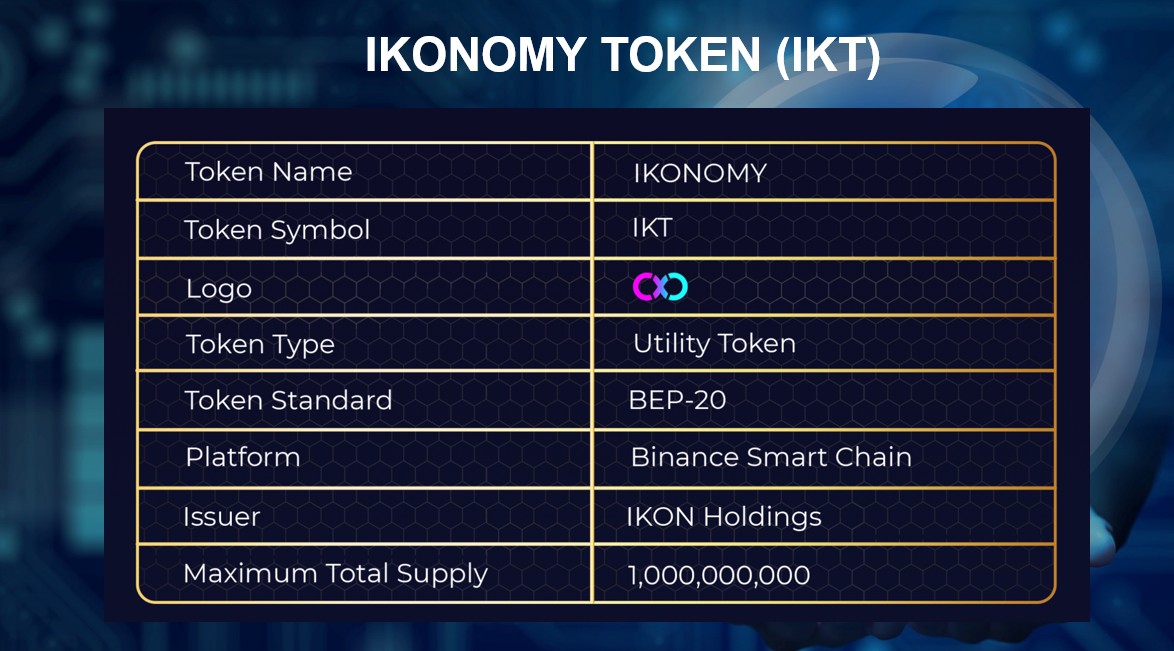
4. Token Ecosystem (IKT) and Digital Finance
A. IKT Token Parameters:
-
Standard: BEP-20 (Binance Smart Chain)
-
Total Supply: 1,000,000,000 IKT
-
Type: Utility Token
B. Application within Ecosystem:
-
Service payment: Purchase E-Marine products, maintenance fees
-
Carbon trading: Buy/sell CO2 credits
-
Reward system: Emission reduction incentives
-
DeFi activities: Staking, farming, liquidity provision
C. Dual Benefits for Users:
-
Fuel savings (10–15%) + DeFi income + Token appreciation
5. ASEAN Regional Expansion Plan
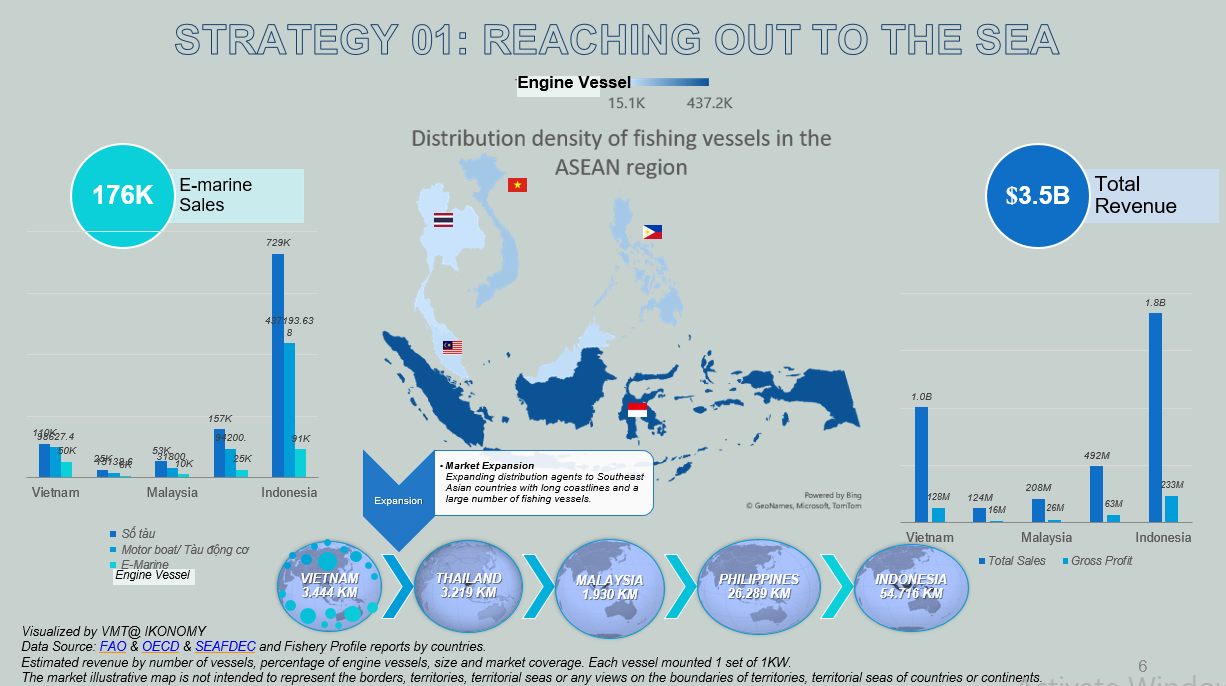
A. Potential Market Analysis:
| Country | Engine Vessels | E-Marine Sales | Total Revenue | Gross Profit |
|---|---|---|---|---|
| Vietnam | 110,000 | $1.0B | $128M | $16M |
| Malaysia | 25,000 | $124M | $16M | $2M |
| Indonesia | 157,000 | $1.8B | $233M | $29M |
| Philippines | 53,000 | $492M | $63M | $8M |
| Thailand | 50,000 | $208M | $26M | $3M |
| Total ASEAN: ~729,000 vessels → $3.5B sales → $466M total revenue |
B. Expansion Strategy:
-
Phase 1: Deep penetration in Vietnam
-
Phase 2: Expand to Malaysia, Thailand
-
Phase 3: Capture Indonesia, Philippines
6. Team and Execution Capability
Key Team Structure:
-
Quang Nguyen (Chairman): Technology expertise + MBA, multi-industry management experience
-
Technical Team: PhDs, Masters from Ho Chi Minh City University of Technology
-
Strategic Advisors: Experts from Pacific Group
-
Financial Experts: 15+ years of foreign capital management experience
7. Impact and Value Addition
A. Direct Economic Value:
-
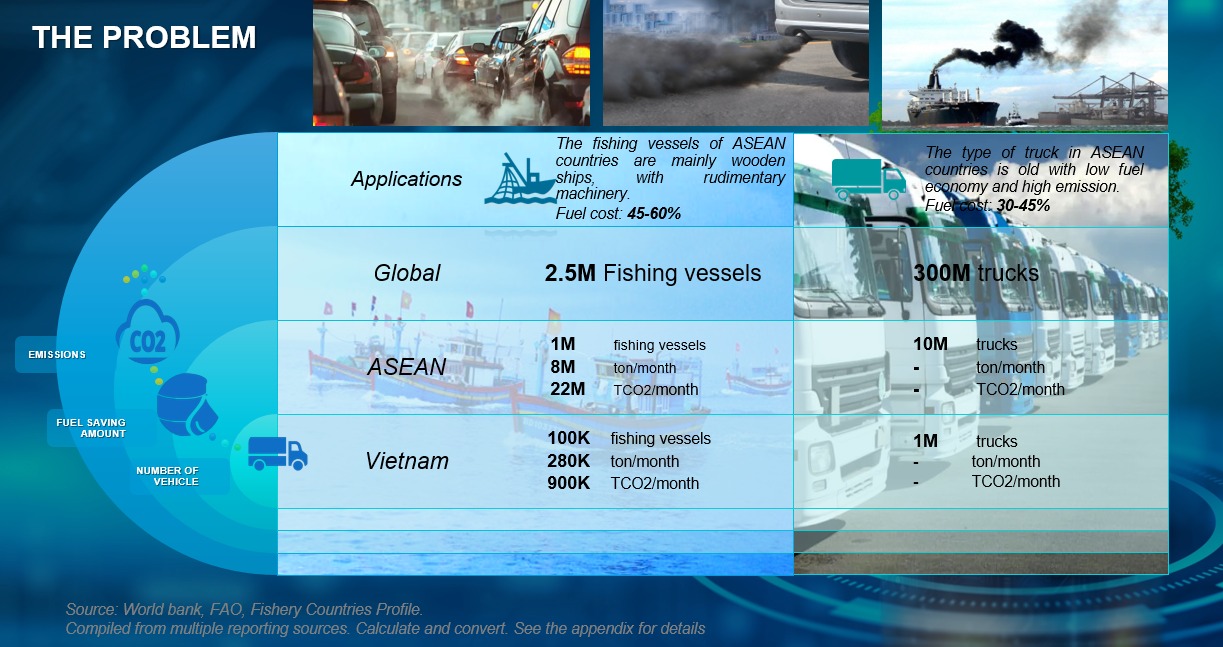
Reduce 45–60% of fuel costs for fishermen
-
Generate new revenue streams from carbon credits
-
Reduce engine maintenance costs
B. Ecosystem Value:
-
Real-time data: Optimize fishing and logistics
-
Supply chain transparency: Combat IUU fishing
-
Alert systems: Maritime safety
-
Inclusive finance: Access to digital financial services
8. Challenges and Success Factors
Key Success Factors:
-
Demonstrate real-world effectiveness: Transparent pilot data
-
Flexible financial model: Partnerships with banks, credit funds
-
Regulatory compliance: Meet maritime safety standards
-
Build trust: Collaborate with fishermen associations
Risks to Manage:
-
Technology adaptation to harsh marine environment
-
Fuel and carbon credit price volatility
-
Competition from alternative solutions
-
Legal regulations on crypto and carbon trading
Industry Context Analysis and IKONOMY Solution Fit
The Vietnamese and ASEAN fisheries sector remains fundamentally traditional and family-oriented. Most vessels are wooden, with shipbuilding and operational techniques passed through generations. Integrating diesel engines and mechanical equipment into these wooden hulls combines modern technology with indigenous knowledge, resulting in distinctive, flexible fishing fleets that are fuel-intensive and low in energy efficiency.
In this context, the general trend in Vietnam and ASEAN is not to replace traditional fisheries entirely with large industrial fleets but to selectively modernize them for sustainable development. This is a complex goal, requiring solutions that do not disrupt existing social and economic structures while addressing pressing issues such as costs and emissions.
At this intersection, IKONOMY’s approach is highly suitable and strategic. Instead of proposing an expensive, disruptive revolution by replacing entire fleets, IKONOMY upgrades and integrates technology into existing traditional vessels. On-site hydrogen production from renewable energy to supplement diesel engines is a minimally invasive intervention that helps:
-
Preserve traditional fisheries: Fishermen continue to use family vessels and methods but with higher efficiency and greener operations.
-
Reduce cost and emissions pressure: Lower fuel consumption directly addresses economic survival and contributes to national and international emission reduction goals.
Moreover, equipping vessels with IoT and building a digital platform from this network creates a sustainable ecosystem. Each vessel becomes a digital data point, connecting the value chain from fishing to processing and traceability. This is key for Vietnamese and ASEAN seafood to penetrate strict markets like Japan or the EU, where food safety, sustainability, and traceability standards are increasingly stringent (e.g., IUU regulations, MSC/ASC standards). A transparent, automated data system from IKONOMY provides credible proof of legal sourcing and reduced carbon emissions, helping products overcome these barriers while gaining a competitive advantage in “green” value.
Thus, IKONOMY not only solves the energy challenge but also lays the foundation for the digital transformation of the traditional fisheries sector, turning environmental and market challenges into opportunities for enhanced value and sustainability for a crucial marine economy.
Strategic Conclusion
IKONOMY is building a unique multi-layered business model:
-
Physical Layer: Direct fuel-saving solution
-
Data Layer: IoT platform for information collection and processing
-
Financial Layer: Token and carbon credit system
-
Service Layer: Logistics and commercial ecosystem
Core Differentiator: Not just a tech startup but a digital ecosystem architect for fisheries. Success is measured not only by installed vessels but by data density and transaction value within the digital ecosystem.
Outlook: If IKONOMY successfully demonstrates initial effectiveness and builds a critical user network, it can become the regional connecting platform for Southeast Asian fisheries, generating value far beyond a conventional technology company.
Reference Demonstration:
Watch the demonstration project video by IKONOMY: https://www.youtube.com/watch?v=dAA3hLLwc8o&t=24s