

Date: April 18, 2026
Author: Annie Nguyễn
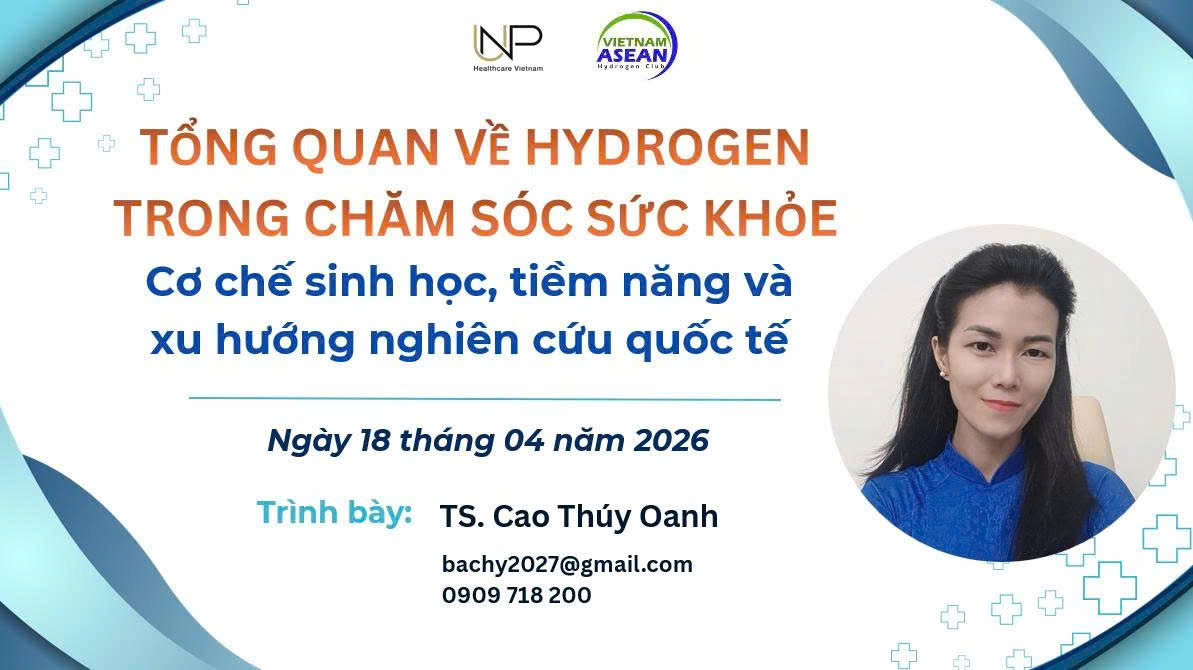
Hydrogen in Medicine: From Clean Fuel to the "Strategic Gas" of the 21st Century
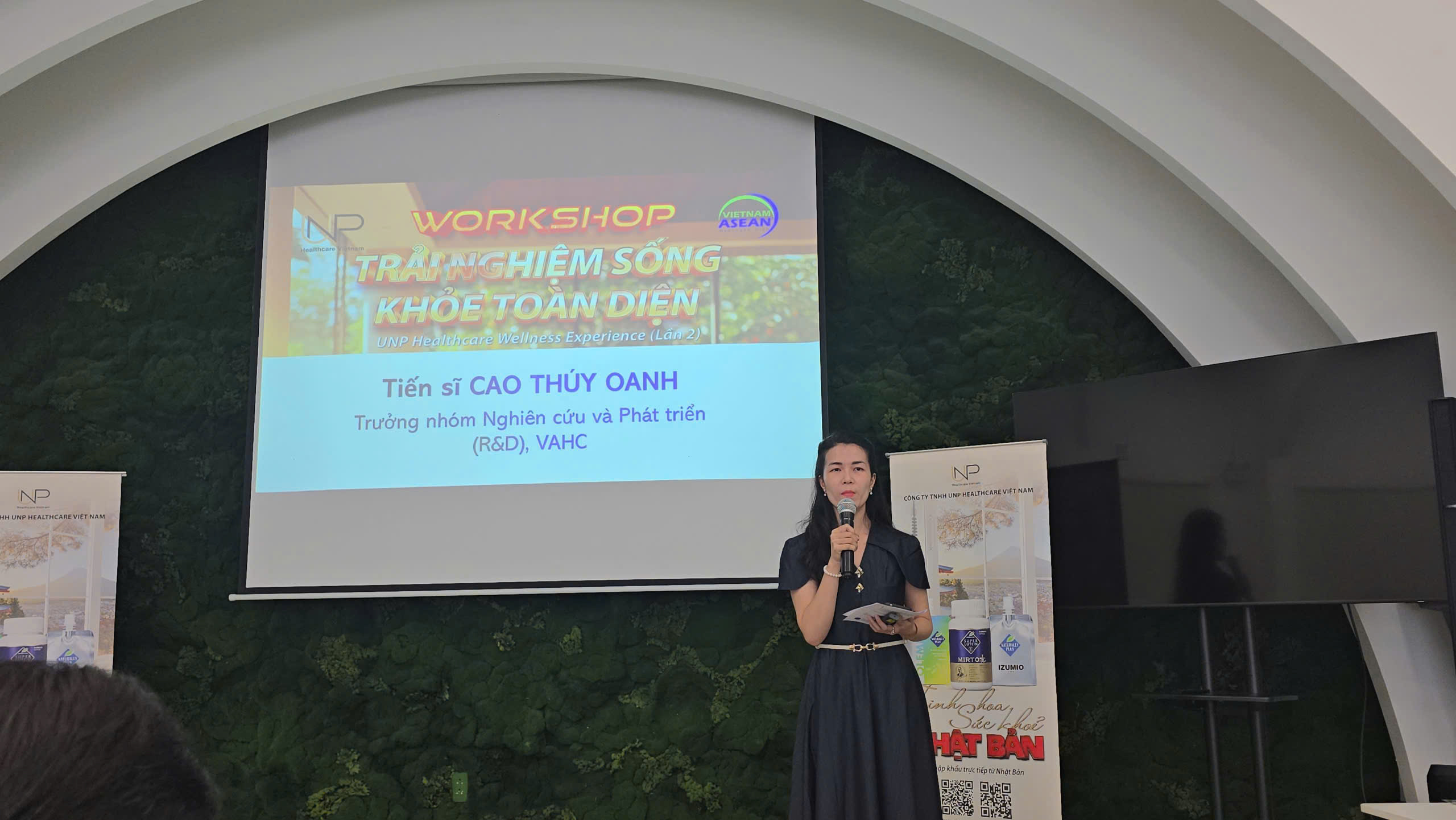
At the "Holistic Health Experience Workshop 2" organised by UNP Healthcare, Dr. Cao Thúy Oanh (Head of R&D, VAHC – Vietnam Asian Hydrogen Club) delivered a compelling overview of hydrogen's journey from energy laboratories to emergency rooms.
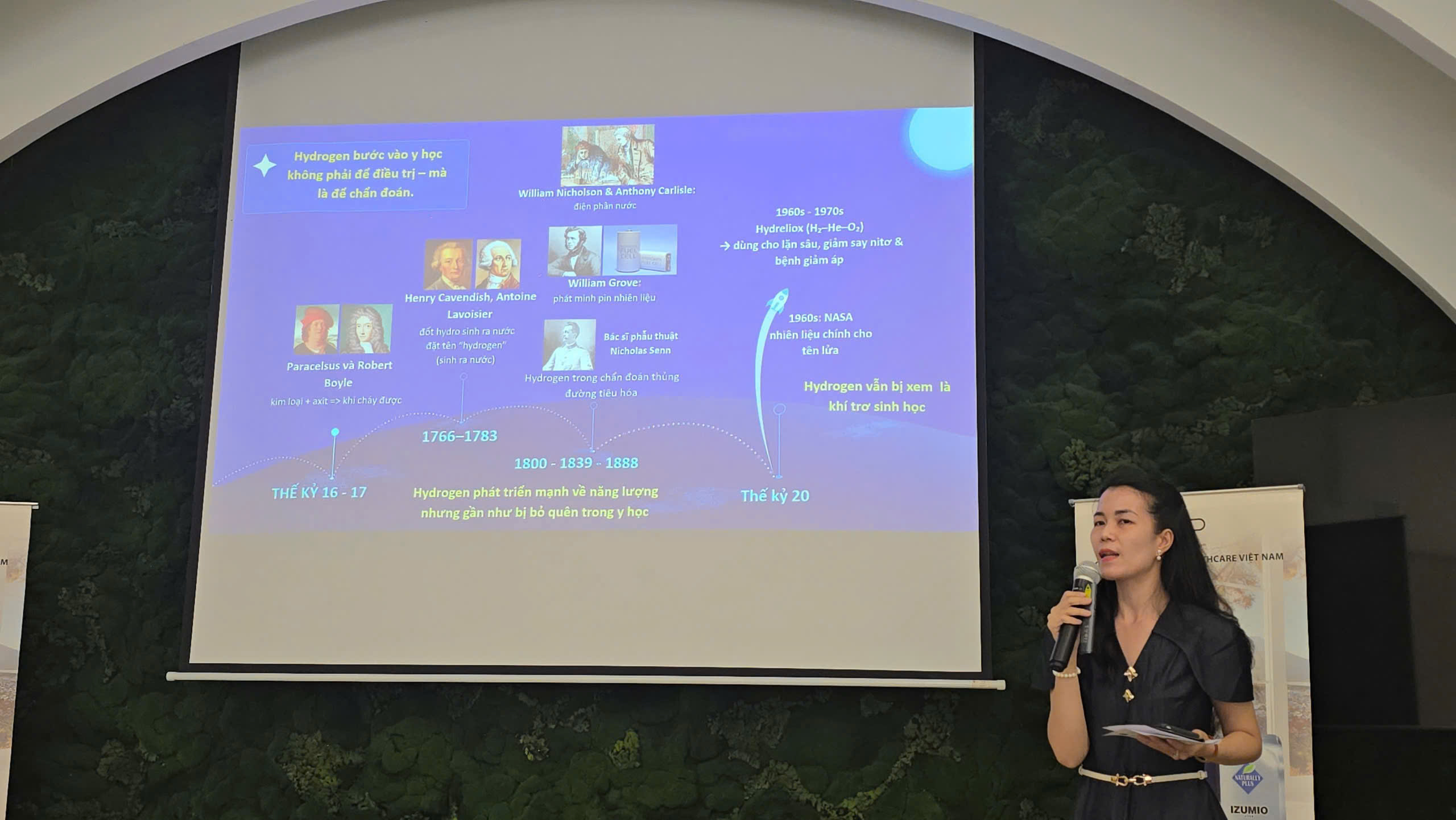
Ho Chi Minh City – In a lively and engaging workshop atmosphere, Dr. Cao Thúy Oanh guided participants through a journey spanning over 200 years – how hydrogen, a gas once reserved for rockets and industrial plants, is now applying for a strategic role in modern medicine.
"Hydrogen is not only a fuel for the energy future – it is also a fuel for the future of medicine," Dr. Oanh opened her presentation.
The 2007 Breakthrough: The Birth of "Hydrogen Medicine"
According to Dr. Oanh, although hydrogen had been known since the 18th century, it was the 2007 publication in Nature Medicine by Ikuroh Ohsawa & the research team of Prof. Shigeo Ohta (Japan) and colleagues that truly gave birth to the concept of hydrogen medicine. This landmark study demonstrated that inhaling 1–4% H₂ gas could selectively neutralise hydroxyl radicals (•OH) – one of the most dangerous free radicals – without interfering with beneficial signalling molecules.
"In 2007, hydrogen officially stepped from the energy engine room into the emergency room," she emphasised.
Since then, over 1,200 scientific papers and dozens of clinical trials worldwide have positioned hydrogen as one of the rising stars in the field of medical gases.
Mechanism of Action: A "Scalpel" Against Oxidative Stress
The unique feature of hydrogen, Dr. Oanh explained, is its selective antioxidant mechanism. Unlike conventional antioxidants that "scavenge" all free radicals (including those necessary for cellular signalling), hydrogen only targets the most harmful radicals such as •OH and ONOO⁻.
Hydrogen's action is like a "scalpel" rather than a "sledgehammer".
In addition, hydrogen demonstrates:
-
Anti-inflammatory effects – reducing TNF-α, IL-6, NF-κB
-
Anti-apoptotic effects – regulating caspases and Bcl-2 family proteins
-
Hormesis activation – "retraining" the cell's defence systems
"Hydrogen doesn't just put out the fire – it retrains the cell's fire prevention system," Dr. Oanh explained.
Broad-Spectrum Applications: Not Targeting One Disease, but the "Common Weakness"
Dr. Oanh emphasised that hydrogen is not a "specific drug" for any single disease. Instead, it targets three "root causes" shared by many different diseases:
| Root Factor | Consequences |
|---|---|
| Oxidative stress | Cellular, DNA, and protein damage |
| Low-grade chronic inflammation | Gradual damage to blood vessels, joints, brain, pancreas |
| Metabolic dysregulation | Obesity, diabetes, fatty liver disease |
This is why hydrogen is called a "wide-spectrum molecule" – it doesn't target individual diseases but rather repairs the "common broken machinery" underlying many conditions.
Potential application areas include:
-
Cardiovascular: myocardial infarction, ischaemia-reperfusion injury
-
Neurological: stroke, Alzheimer's, Parkinson's
-
Metabolic: type 2 diabetes, metabolic syndrome
-
Respiratory: COVID-19, COPD, acute lung injury
-
Oncology: reducing chemotherapy side effects, enhancing treatment efficacy
Routes of Hydrogen Administration
Dr. Oanh introduced three main routes currently being researched and used:
| Route | Characteristics | Applications |
|---|---|---|
| H₂ gas inhalation | Via cannula/mask | Acute respiratory diseases, cardiovascular emergencies, COVID-19 |
| Hydrogen-rich water (HRW) | Daily oral intake | Metabolic disorders, sports recovery, general wellness |
| Hydrogen-rich saline (HRS) | Intravenous/intraperitoneal injection | Emergency care, surgery, organ transplantation |
Additionally, emerging technologies such as hydrogen baths, gels, patches, and H₂-releasing nanoparticles are being studied for skin diseases, arthritis, and neurological disorders.
"Gas, water, injection, bath – hydrogen is so flexible it can enter the body through almost any door," she shared.
Current International Research Trends
According to VAHC's R&D team analysis, the hottest research directions globally include:
-
Gut microbiota interaction – opening nutritional intervention pathways
-
Pyroptosis and autophagy – novel cell death mechanisms beyond apoptosis
-
COVID-19 and other viral diseases – hydrogen as an immunomodulatory therapy
-
Nanotechnology and targeted H₂ release – treating arthritis, neurodegeneration, cancer
Notably, the concept of "Hydrogen nutrition therapy" is emerging as a proactive, sustainable healthcare trend.
"The new wave of research views hydrogen not just as a 'medical gas' but as a multi-system biological modulatory platform," Dr. Oanh affirmed.
Opportunities for Vietnam: A Wide Open "Blue Ocean"
A key highlight of Dr. Cao Thúy Oanh's presentation was her assessment of hydrogen research and application potential in Vietnam.
According to her, hydrogen in Vietnam is currently studied mainly in the fields of environment and energy, while the health application sector remains nearly untouched.
*"From gut microbiota to COVID-19, hydrogen is shifting from 'damage control' to 'biological restoration' – and Vietnam has almost an entire 'blue ocean' to pioneer,"* she emphasised.
With strengths in agriculture, food production, and growing healthcare awareness, Vietnam is well-positioned to become a significant link in the regional research and development chain for hydrogen-based medical products.

Challenges Remain – But the Future is Bright
Despite her optimism, Dr. Oanh candidly outlined major challenges:
-
The central mechanism and primary molecular target of H₂ remain unidentified – hindering next-generation drug design.
-
Lack of standardisation in dosage, concentration, timing, and route of administration across studies.
-
Technical barriers – medical-grade H₂ generation equipment and explosion risk control (H₂ ignites at 4–75% in air).
-
Limited clinical evidence – only about 50–70 human trials, mostly small-scale, lacking large multicentre RCTs.
Nevertheless, she affirmed:
"Hydrogen science has come a long way in the laboratory – but it is only at the starting line of the clinical evidence race. That is both a challenge and an opportunity for young researchers, especially in Vietnam."

Conclusion: Hydrogen – The "Strategic Gas" of the 21st Century
Closing her presentation, Dr. Cao Thúy Oanh delivered an inspiring message to the audience:
"If the 20th century was the century of oxygen in medicine, then hydrogen is applying for the role of the 'strategic gas' of the 21st century."
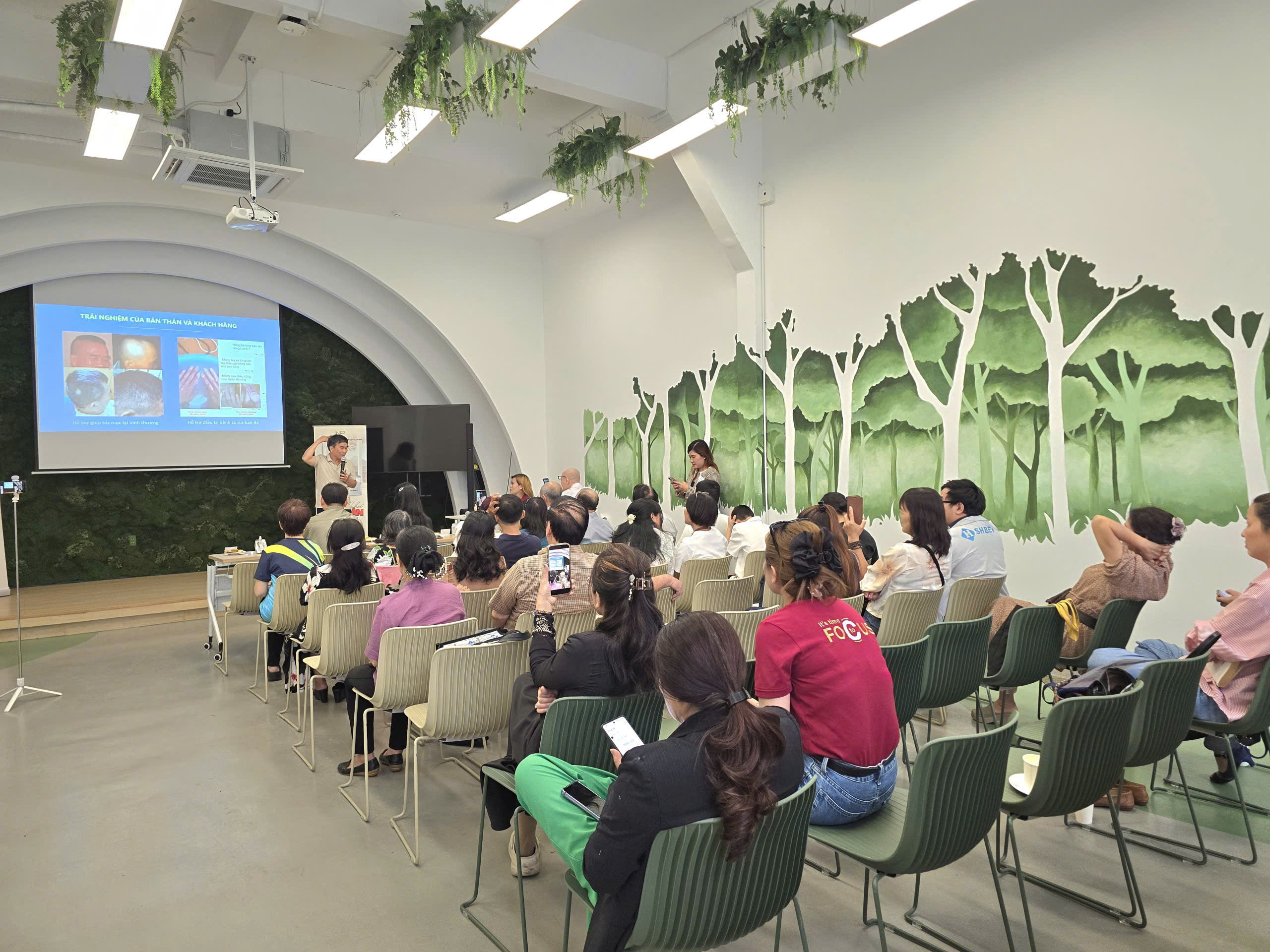
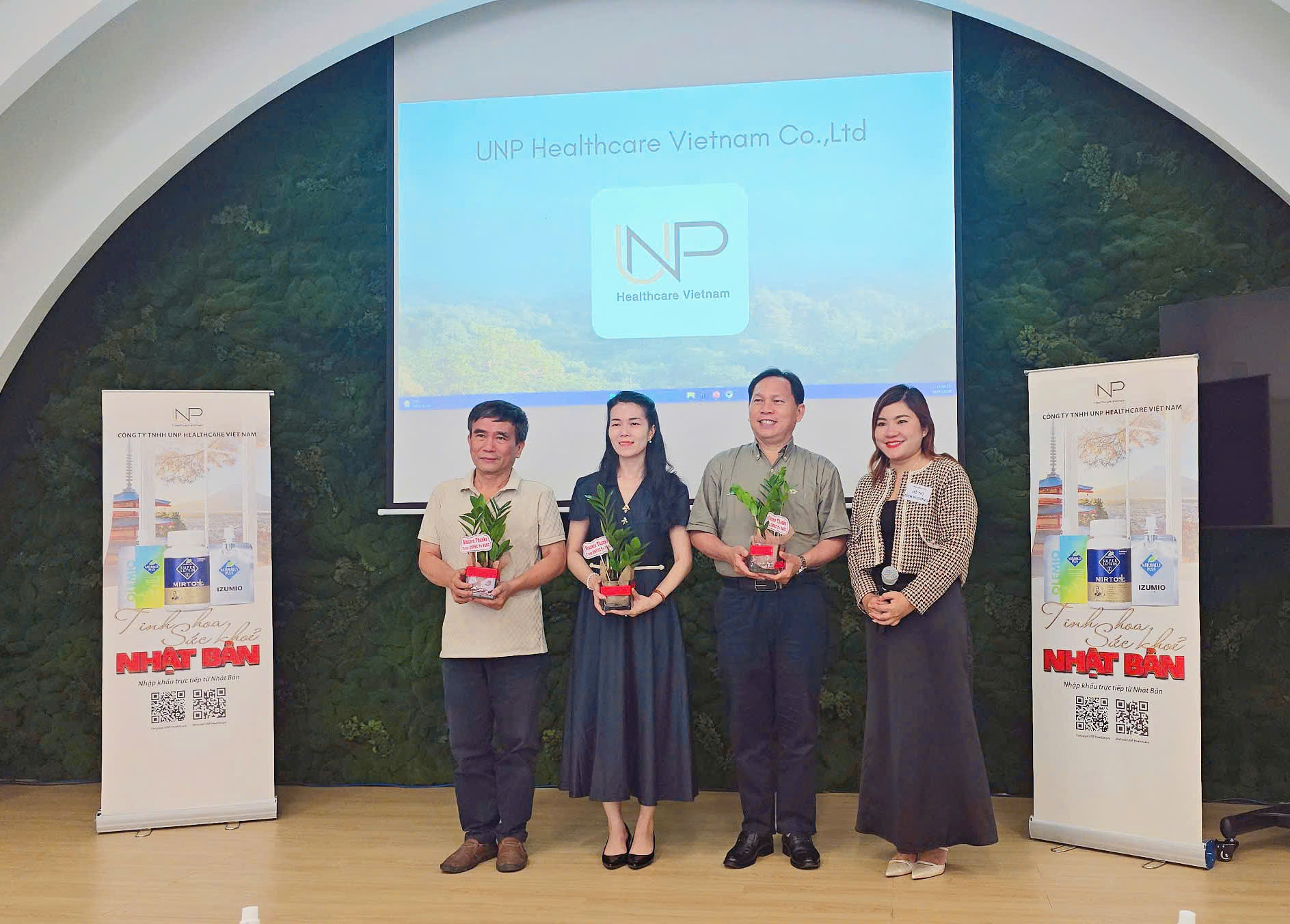
The "Holistic Health Experience Workshop 2" was not only a platform for scientific knowledge transfer but also an opportunity for customers to directly experience advanced hydrogen water products such as Izumio and Olemio, along with the Khachik Checker health monitoring device.
UNP Healthcare and VAHC are committed to walking alongside the community on the journey of cellular-level health care, ushering in a new era: living well with hydrogen.
Reported by: Annie Nguyễn
Based on the presentation by Dr. Cao Thúy Oanh (Head of R&D, VAHC – UNP Healthcare Vietnam) at the "Holistic Health Experience Workshop 2".