

Hydrogen Circular Economy – Green Hydrogen from Wastewater: Expanding Sustainable Water Supply Pathways
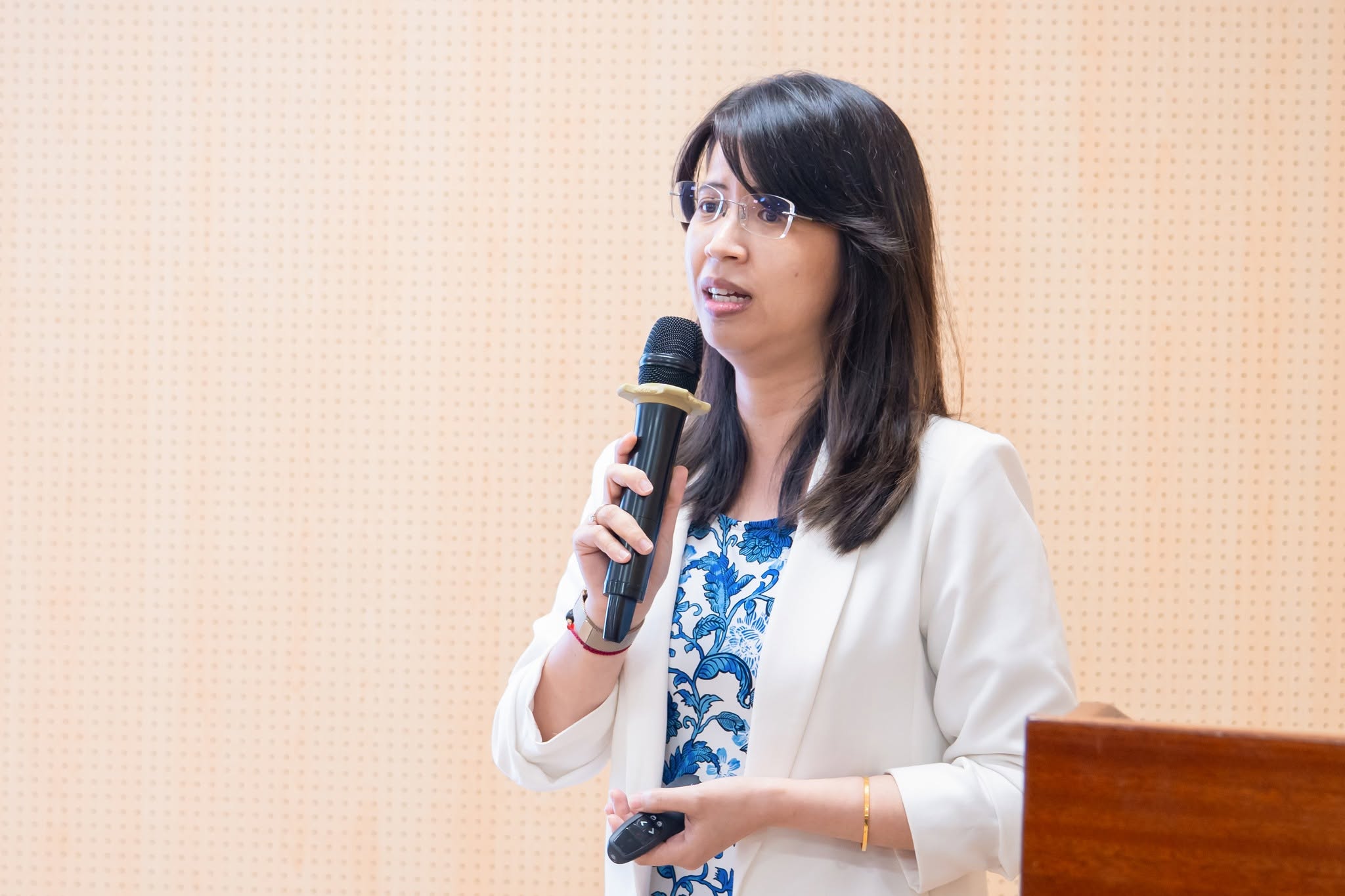
Speaker: Ms. Ngo Nguyet Tran, MBA, MSc, BEng (Hons), PMP®, Executive Advisor, GHD Advisory
Ms. Ngo Nguyet Tran introduced GHD as one of the world's leading professional services companies operating in the global markets of environment, water, energy and resources, property and buildings, and transportation. GHD provides advisory, environmental, engineering, architecture and construction services. Established in 1928, GHD has more than 12,000 people across five continents and the Pacific region, and is privately owned by its people.
Case Study 1: Northern California Power Agency's Lodi Energy Center (LEC)
Ms. Tran presented the case study on the Lodi Energy Center. Facility overview: 300 MW CCGT with heat recovery steam generator, online since 2012, capable of 45% H₂-NG co-firing. Co-located with the City of Lodi White Slough Water Pollution Control Facility (WPCF). Initial 24 ton-H₂ per day (~56.7 MW) Proton Exchange Membrane Electrolyser Facility. Key challenges: Securing recycled water supply from the City of Lodi WPCF at sufficient volume; procuring long-term, low-carbon power wheeled to the site. Key findings: Water: 19.7 litres (5.1 gallons) of water per kilogram of produced hydrogen → 182 million gallons of total Lodi Hydrogen Center annual water demand. Cooling: Utilising a hybrid adiabatic cooling system reduces nominal water consumption for the site by approximately 30% +/-.
Case Study 2: Lulu Island Wastewater Treatment Plant H2 Production Feasibility
Ms. Tran presented the case study on the Lulu Island Wastewater Treatment Plant. Facility overview: 5 wastewater treatment plants | Average flowrate ~79 MLD | 220,000 residents served. Treatment consists of pre-treatment, primary treatment, secondary treatment, disinfection and dechlorination. Designed to produce 128 tonnes of green hydrogen per year. Key challenges: Two routes had to be compared: a final effluent pathway polishing treated effluent to ultrapure water for electrolysis, and an ammonia pathway recovering ammonia for cracking. Assessment on water quality, power demand, integration with live plant operations and end-use fit. Key findings: Circular-economy pathways: Direct use on-site: high CAPEX for equipment upgrade; Vehicle fuelling: most promising due to growing demand, limited supply, and customer willingness to pay; Natural gas blending: high potential demand but low potential price point due to price capped, technical and regulatory challenges.
Conclusion
Ms. Tran concluded with a message on the hydrogen circular economy: "Wastewater is not just a treatment issue but a resource for green hydrogen production, simultaneously addressing both the water crisis and the energy transition." She also provided contact information: Ngo Nguyet Tran, Executive Advisor, T: +65 9082 4356, E: nguyettran.ngo@ghd.com.
Closing
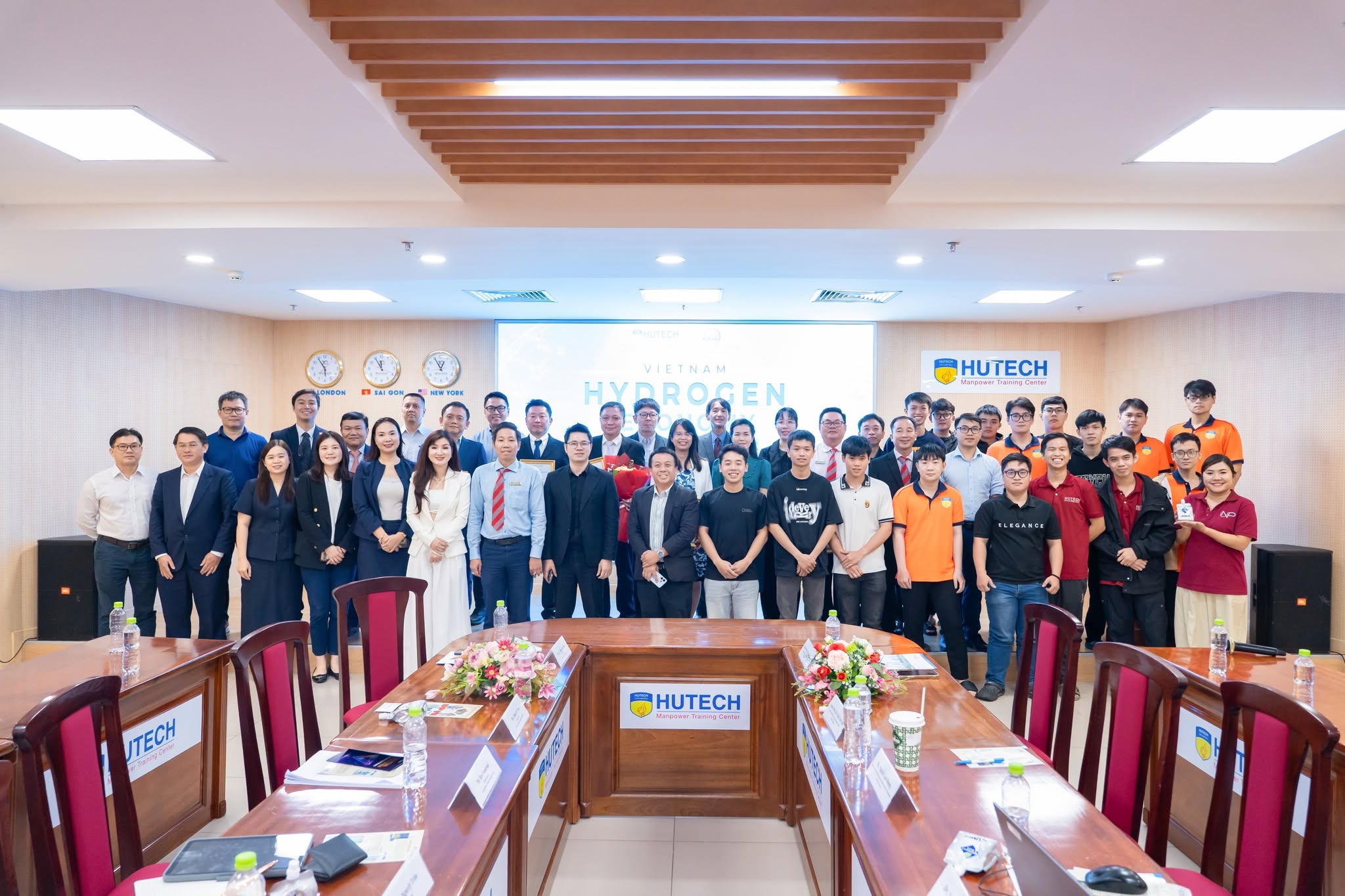
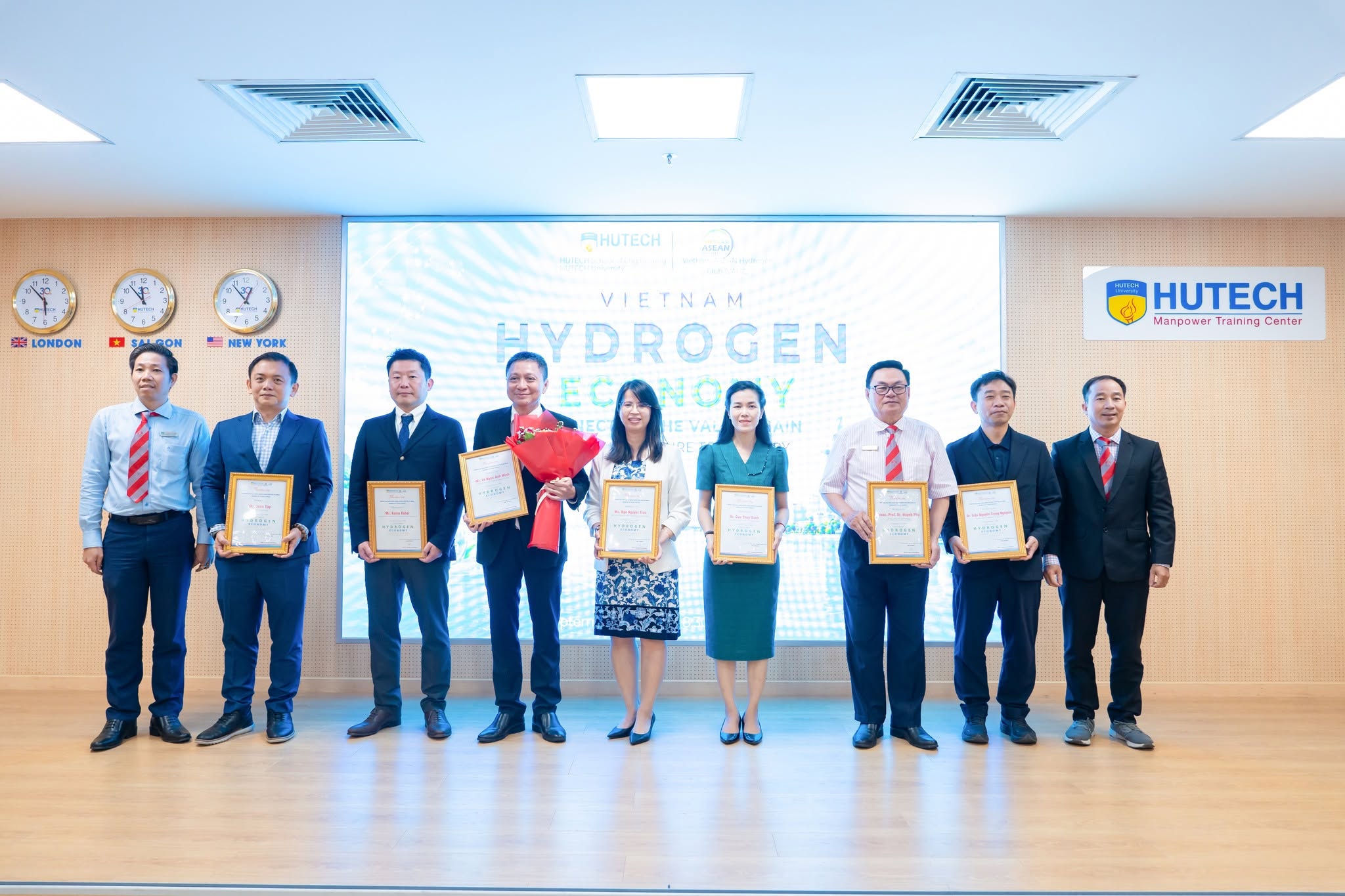
The workshop concluded with closing remarks and a networking session, opening up many opportunities for collaboration among participants. Delegates agreed that Vietnam needs to move from a fragmented approach to an integrated hydrogen economy model, in which research, production, storage, transportation, domestic consumption and export form a closed-loop value chain, generating profits and ensuring sustainability.