

H₂E for Industrial Decarbonization and Clean Transport
A Presentation by Air Liquide at the "Hydrogen Horizons" Workshop, March 31, 2026, USTH, Hanoi
April 3, 2026 by Annie Nguyễn
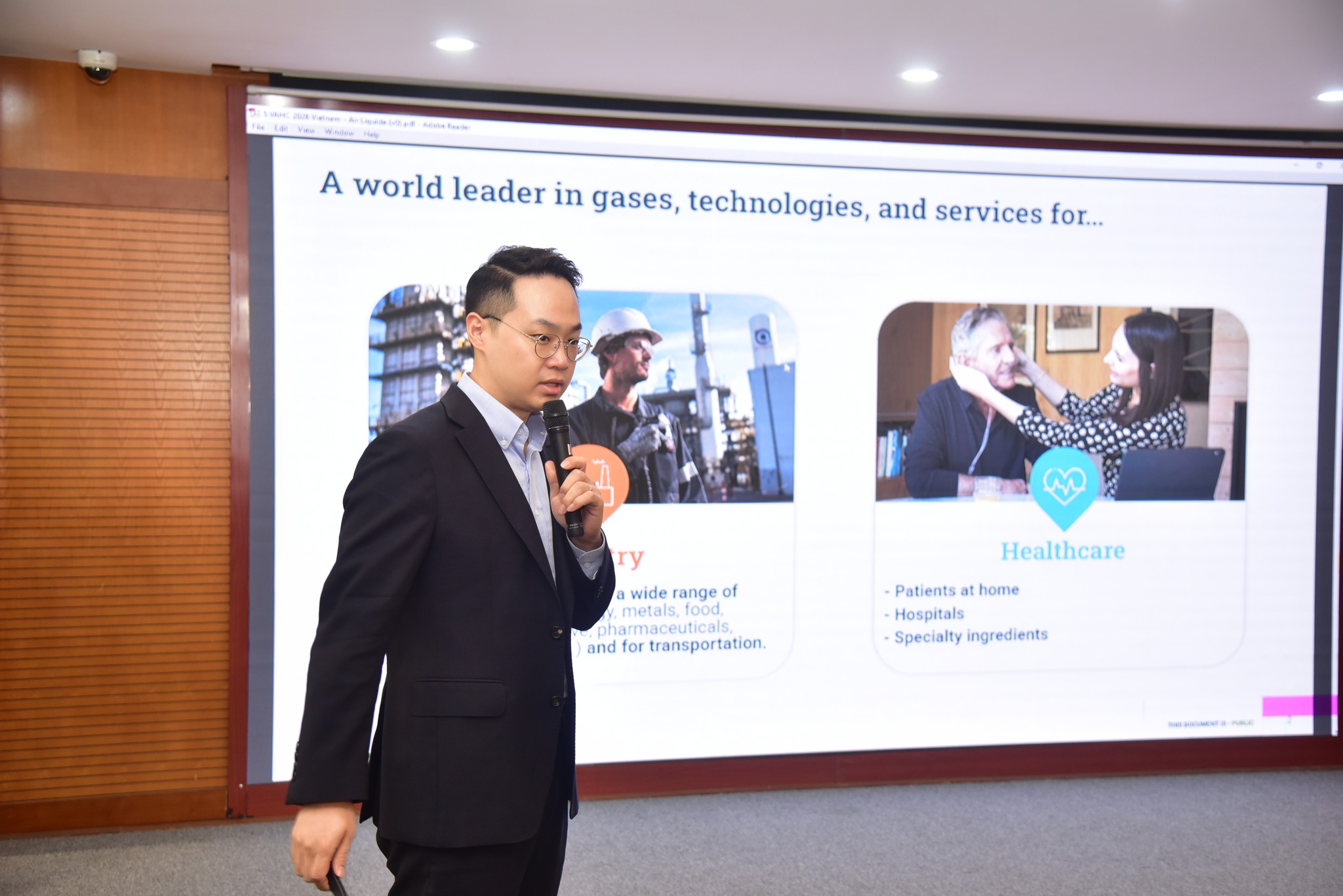
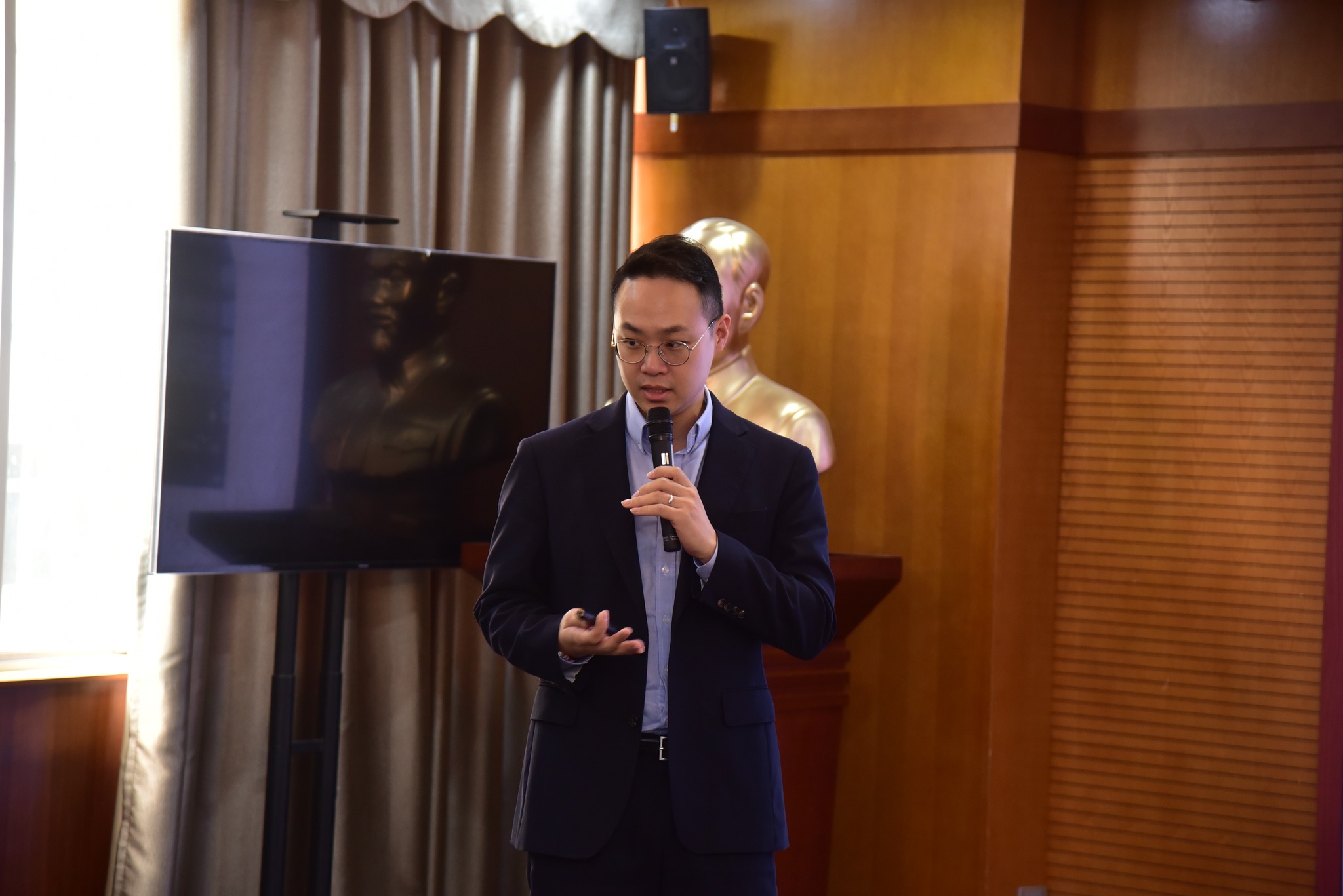
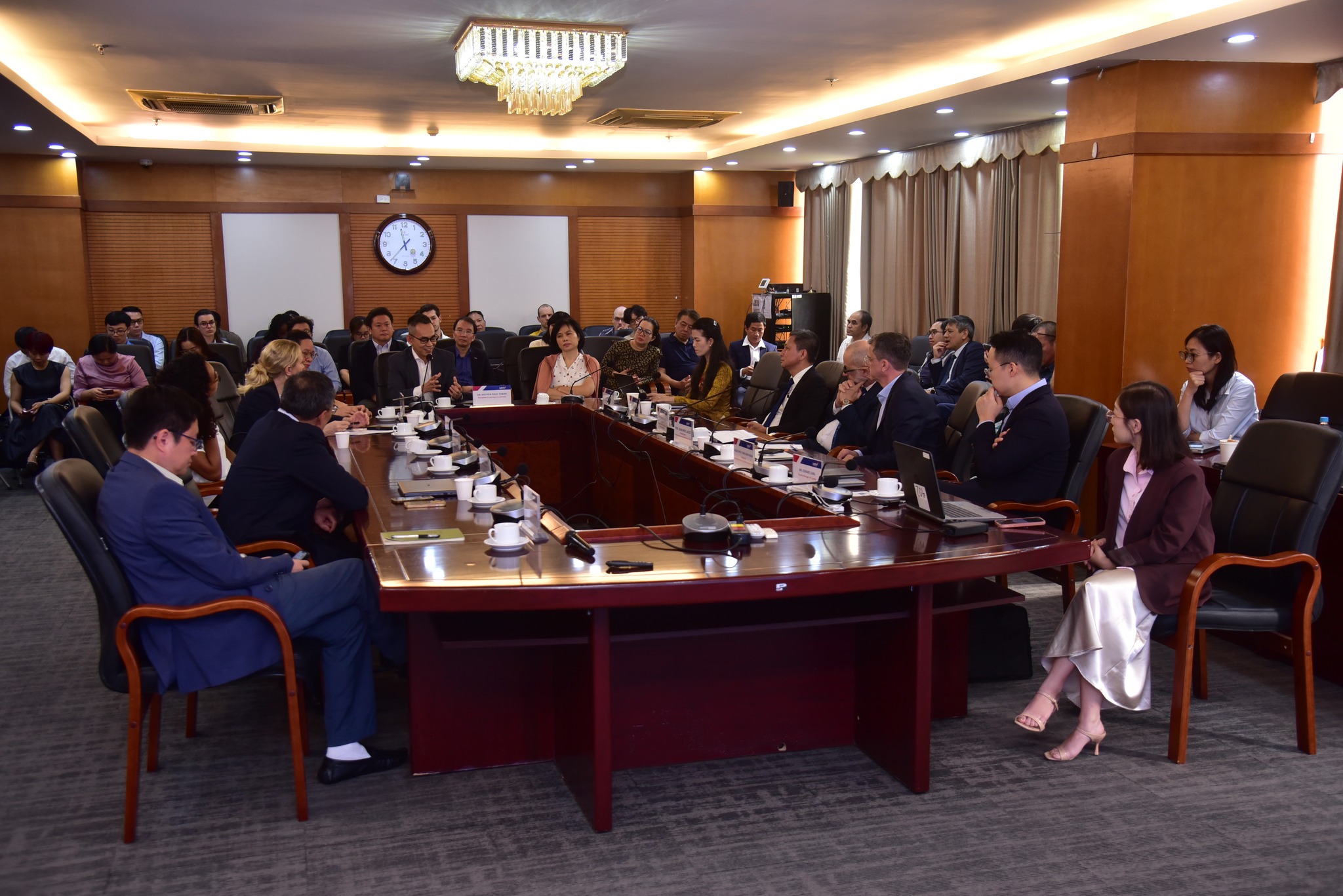
HANOI – On the morning of March 31, 2026, within the framework of the international workshop "Hydrogen Horizons - Advancing Vietnam-France Energy Collaboration" held at the University of Science and Technology of Hanoi (USTH), Mr. Eward Jung, Country Director of Air Liquide – a world leader in gases, technologies, and services – delivered a presentation titled "H₂E for Industrial Decarbonization and Clean Transport".
The presentation introduced Air Liquide's strategic vision on the role of hydrogen in the energy transition, the company's mastery of the entire hydrogen value chain, and specific solutions for various industrial and transport sectors.
Air Liquide – A Global Leader in Gases and Technologies
The Air Liquide representative opened the presentation by introducing the Group – a world leader in gases, technologies, and services serving Industry and Healthcare.
In the industrial sector, Air Liquide provides sustainable solutions for a wide range of industries including energy, metals, food, chemicals, automotive, pharmaceuticals, semiconductors, and transportation. In healthcare, the Group serves patients at home, hospitals, and provides specialty ingredients.
Air Liquide's industrial model is built on a unique combination of resilience, innovation, and synergies to create sustainable value at the heart of major industrial basins.
Hydrogen – A Cornerstone of the Energy Transition
The Air Liquide representative emphasized that hydrogen is a cornerstone of the energy transition. Hydrogen has significant potential across all applications, including transportation, heavy industry, and power generation.
The technologies exist and are ready to be deployed. Air Liquide is tackling two major challenges:
-
Hydrogen to decarbonize industrial processes – refining, metals, chemicals.
-
Hydrogen for sustainable transport – heavy-duty, shipping, aviation, rail, mining/offroad, and stationary power.
Decarbonizing Industry – A Trajectory to Carbon Neutrality
Air Liquide has made significant progress in reducing CO₂ emissions. The Group's absolute CO₂ emissions have decreased for three consecutive years and will gain momentum with projects initiated in 2024. The company is setting a clear trajectory to reach carbon neutrality.
Hydrogen for Sustainable Transport – Key Markets
The Air Liquide representative detailed the key mobility markets addressed by the H₂E solution:
1. Heavy-Duty Transport
Air Liquide is focusing on key enablers to activate the heavy-duty market by 2030, including developing hydrogen refueling station infrastructure and reducing production costs.
2. Shipping
Hydrogen is a relevant solution for decarbonizing both maritime and inland waterways, especially strong where full electrification is challenging (large ships, long distances).
Benefits of Liquid Hydrogen (LH₂):
-
Extended range – high energy density allows for longer voyages with fewer refueling stops.
-
Maximizes cargo space – compact storage design.
-
Versatility – applicable across diverse vessel types.
LH₂ production and infrastructure can scale to meet maritime demand, creating synergies between shipping and heavy-duty trucking.
3. Aviation
With approximately 30,000 commercial aircraft currently in operation worldwide and 150 kg of CO₂ emissions per passenger on short-haul flights, aviation is a must to achieve net-zero emissions by 2050.
Hydrogen is particularly well-suited for decarbonizing short- to medium-haul flights. Air Liquide is collaborating to build the ecosystem and technology:
-
Airport Infrastructure – developing global H₂ infrastructure (e.g., Hydrogen Airport by Air Liquide & Groupe ADP).
-
Aircraft development – supporting testing and development of hydrogen-powered aircraft (collaboration with H2 Fly).
-
Engine Technology – exploring liquid hydrogen use in aircraft engines (Project BeautyFuel with Safran).
4. Trains
Hydrogen is ideal for routes where installing or maintaining overhead electrification (catenary) is costly or impractical.
A world record was achieved in the United States: The Stadler FLIRT H₂ traveled an impressive 2,800 km on a single fill, demonstrating exceptional range and reliability for non-electrified routes.
Key benefits:
-
Infrastructure independence – eliminates costly catenary installation and maintenance.
-
Operational flexibility – enables sustainable rail expansion across diverse non-electrified lines.
-
Onboard power – fuel cells can generate electricity for passenger comfort.
5. Mining / Offroad
Mining haulage trucks (especially ultra-class trucks) are a major emission source. Full electrification is difficult due to payload and 24/7 operational demands. Hydrogen provides a viable, zero-emission pathway for the largest, most demanding mining vehicles.
Key benefits:
-
On-site decarbonization.
-
Energy independence – potential for on-site H₂ production.
-
Handles extreme demands – high payload, continuous 24/7 operations.
-
Supports meeting increasing environmental regulations.
6. Stationary Power
Hydrogen provides reliable power where and when needed.
Key benefits:
-
Reliability – critical backup power system unaffected by grid outages.
-
High efficiency – converts H₂ to electricity at >60% efficiency, with waste heat recovery opportunity.
-
Sustainable & Quiet – near-zero local emissions, minimal noise.
-
Compact & Flexible – deployable precisely where needed (hospitals, data centers, remote sites, temporary power).
A Basin-Focused Approach
Air Liquide applies a basin-focused approach – targeting major industrial basins where economic and environmental impact can be maximized. To date, 1,400 projects have been announced globally with total investments of $570 billion (targeting $610 billion by 2030), of which 51% are for industry, 18% for transport, and the remainder for large infrastructure projects such as exports and hydrogen pipelines.
Major Projects in Europe
Air Liquide is implementing large-scale electrolysis projects:
-
Normand'Hy (France) – 200 MW, operational in 2026.
-
ELYgator (Netherlands) – 200 MW, operational in 2027.
Conclusion – Ready to Accompany Hydrogen Mobility Growth
The Air Liquide representative concluded with impressive figures on hydrogen's potential in transport:
-
25% – transport's impact on global CO₂ emissions.
-
80+ – CO₂ regulations worldwide.
-
3 million – hydrogen vehicles expected globally by 2030.
-
10 minutes – refueling time for a hydrogen bus.
-
50% – share of hydrogen demand dedicated to transport by 2050.
"We are ready to accompany the growth of hydrogen mobility," the Air Liquide representative affirmed.
With mastery of the entire hydrogen value chain – from production, storage, and transportation to distribution – along with a global project portfolio, Air Liquide stands as a trusted strategic partner for Vietnam in the journey to decarbonize industry and transport.
Reported by: VAHC Secretariat
Email: contact@vahc.com.vn