
From the Can Gio – Vung Tau UAV Route: Igniting the Low-Altitude Economy and Opening the Future of Hydrogen UAVs in Vietnam
February 10, 2026
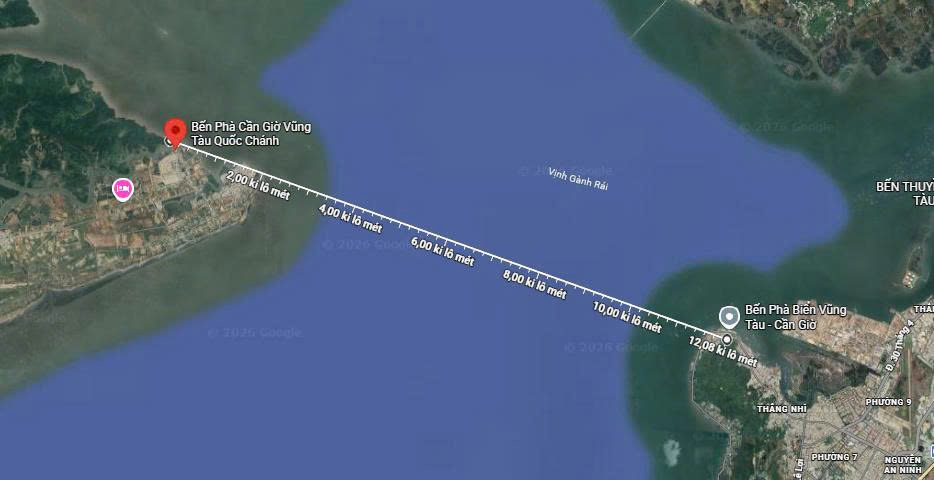
The flying route of cargo UAV from Can Gio to Vungtau
On the morning of February 12, 2026, at Can Gio Ferry Terminal, CT UAV, in coordination with Vietnam Post, will officially launch a pilot delivery route between Can Gio and Vung Tau using unmanned aerial vehicles (UAVs). The flight path crosses Ganh Rai Bay with a total distance of 12.08 km, connecting Can Gio – Quoc Chanh Ferry Terminal and Bien Vung Tau – Can Gio Ferry Terminal. This marks an important milestone in the practical application of autonomous flight technology in logistics.
The event will be attended by various technology and investment partners, as well as leaders of Ho Chi Minh City (Vietnam ASEAN Hydrogen Club are honored to be invited), demonstrating the convergence of unmanned aviation, digital transformation, and clean energy.
Looking beyond the immediate launch, this over-sea UAV route is not merely a demonstration activity. It can be seen as the starting point for the development of a low-altitude economy in Vietnam — an organized model of utilizing low-altitude airspace to serve logistics, e-commerce, emergency medical transport, environmental monitoring, and the marine economy.
With more than 3,200 kilometers of coastline, thousands of nearshore islands, and a high rate of urbanization, Vietnam stands to benefit significantly from establishing an aerial logistics infrastructure layer. Such a system would reduce dependence on traditional road and waterway transport while substantially shortening inter-regional delivery times.
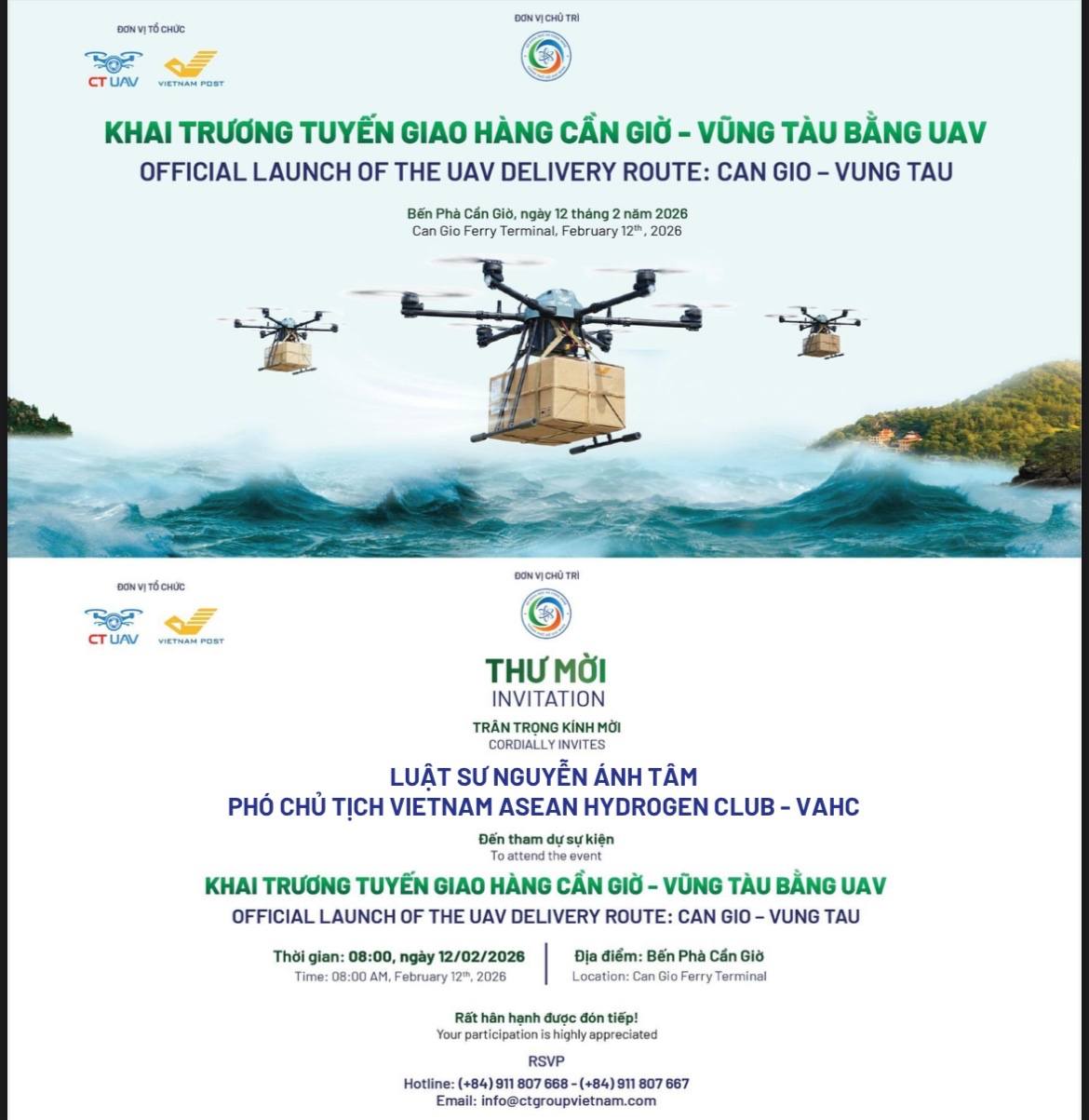
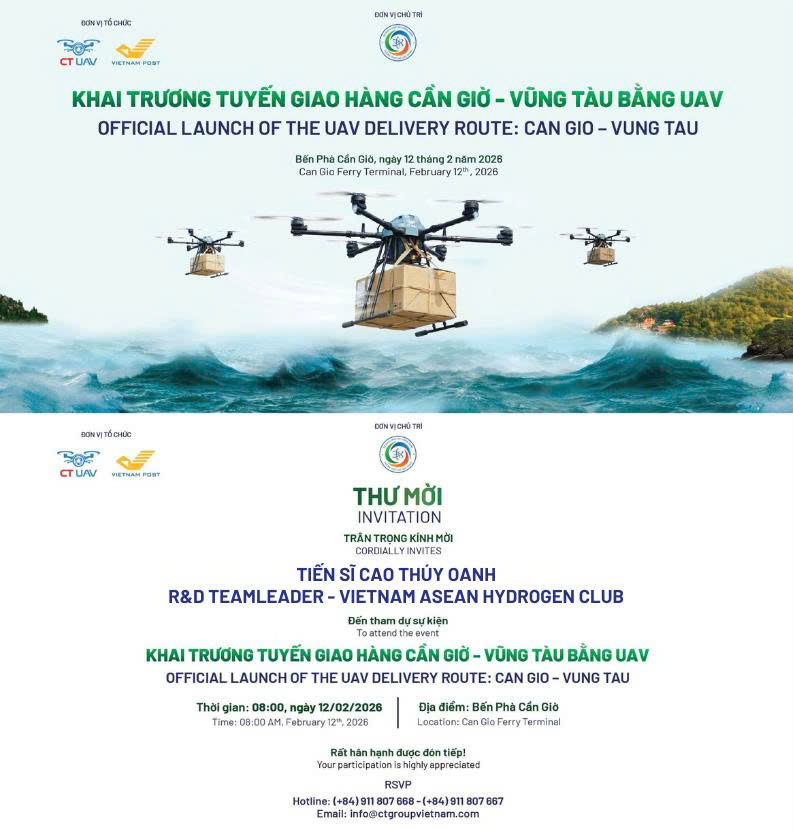
Dr. Cao Thuy Oanh from VAHC will attend the ceremony of this demonstration
However, expanding from a 12 km pilot route to interprovincial and long-distance over-sea corridors spanning dozens to hundreds of kilometers will depend critically on energy technology.
This is where hydrogen emerges as a strategic solution for long-range UAVs. Compared to conventional lithium batteries, hydrogen fuel cell systems offer higher energy density, enabling extended flight duration, increased payload capacity, and reduced refueling time. For over-sea transport routes, remote areas, or emergency rescue applications, these advantages are decisive.
More importantly, hydrogen aligns with Vietnam’s green transition strategy and its commitment to achieving net-zero emissions. The integration of UAV technology and hydrogen energy could create an entirely new value chain: from green hydrogen production and refueling infrastructure to intelligent flight operation platforms and airspace safety standards.
From a single flight route across Ganh Rai Bay, a broader vision is unfolding. With synchronized planning in terms of legal framework, infrastructure, and technology, the low-altitude economy could become a new pillar of growth, alongside the digital economy and the marine economy.
The inauguration of the Can Gio – Vung Tau UAV route is therefore not merely a technological event, but a signal of a new development trajectory: Vietnam is proactively unlocking its low-altitude airspace and preparing a hydrogen energy foundation for the next generation of long-range UAVs.