

Cathode Air Filtration for Fuel Cells
Presentation by Solberg Manufacturing at the Vietnam – U.S. & International Partners Hydrogen Workshop 2026

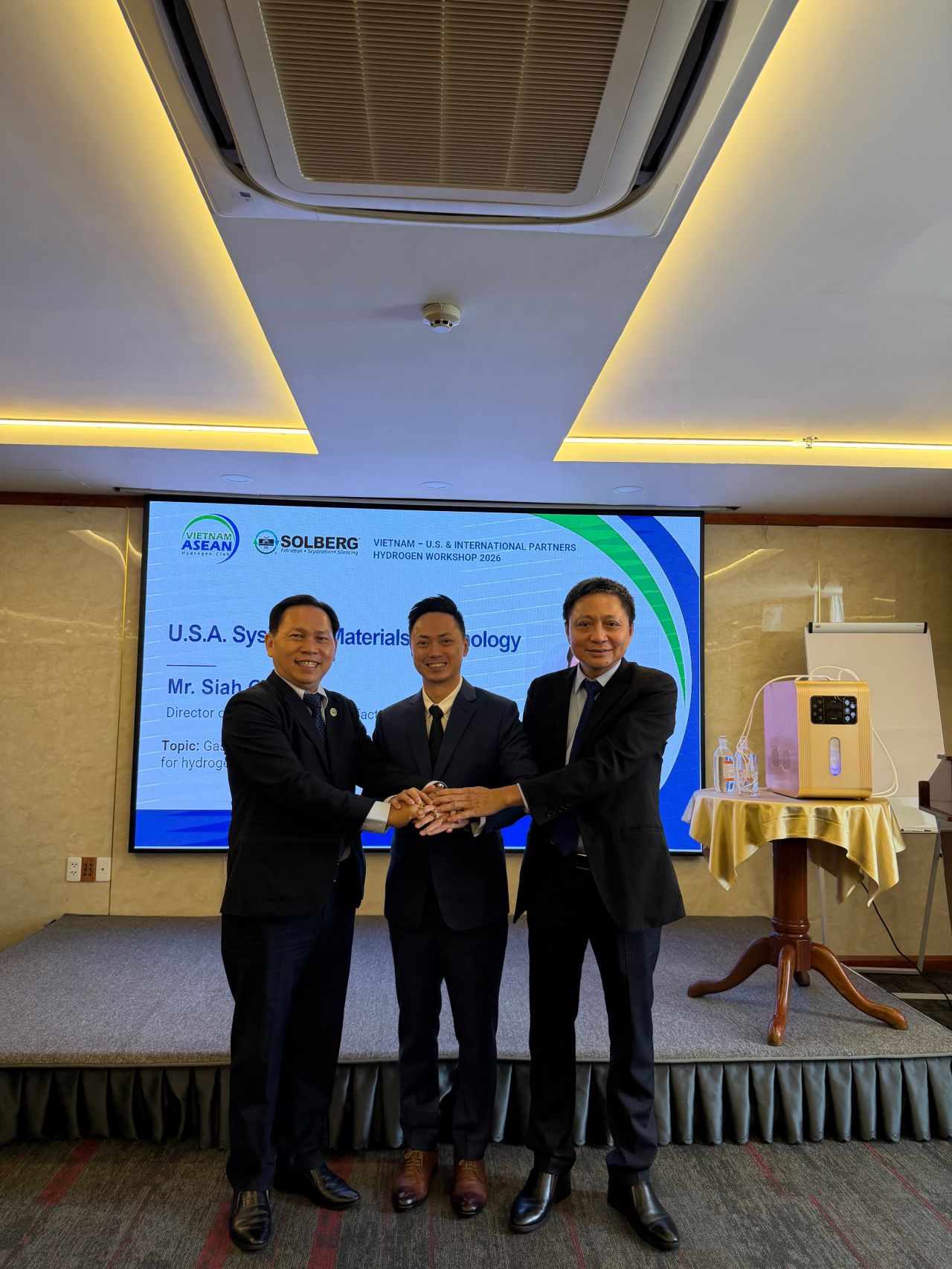
The workshop Vietnam – U.S. & International Partners Hydrogen Workshop 2026: Advanced Hydrogen Technologies and the Semiconductor Supply Chain – Vietnam & ASEAN was organized by the Vietnam ASEAN Hydrogen Club (VAHC) in cooperation with Solberg Manufacturing (USA). The event took place successfully on the morning of April 10, 2026 at the Saigon Hotel, Ho Chi Minh City.
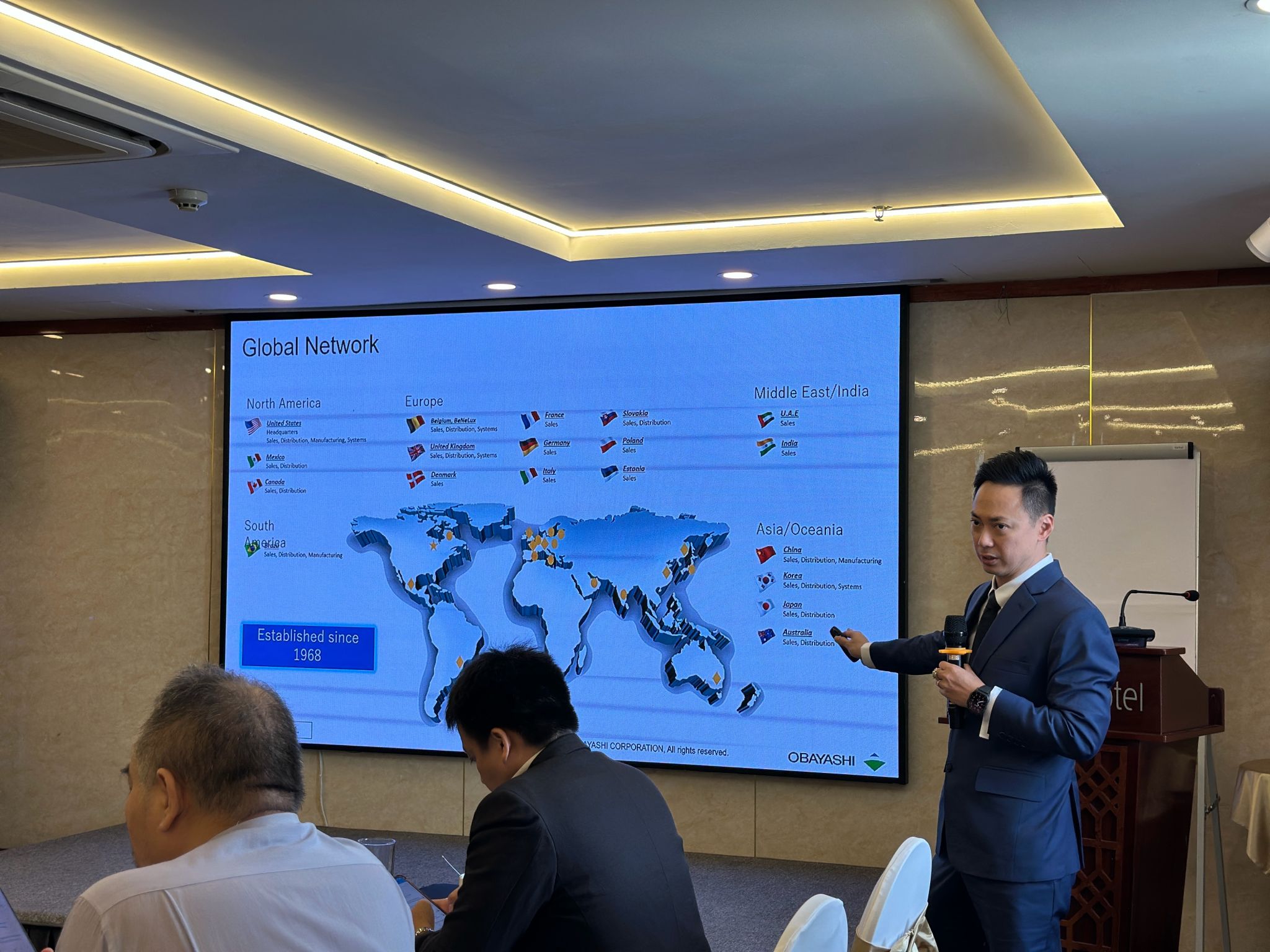
As part of the workshop, Mr. Gary Siah – APAC Representative of Solberg Manufacturing – delivered an important presentation titled:
*“Gas Filtration and Membrane Technologies for Hydrogen Systems and Fuel Cells” *. The content was based on practical research and solutions from Solberg, a company established in the field of air filtration since 1968.
Below is a detailed summary of the key points from Solberg Manufacturing’s presentation.
1. Importance of Cathode Air Filtration for Fuel Cells
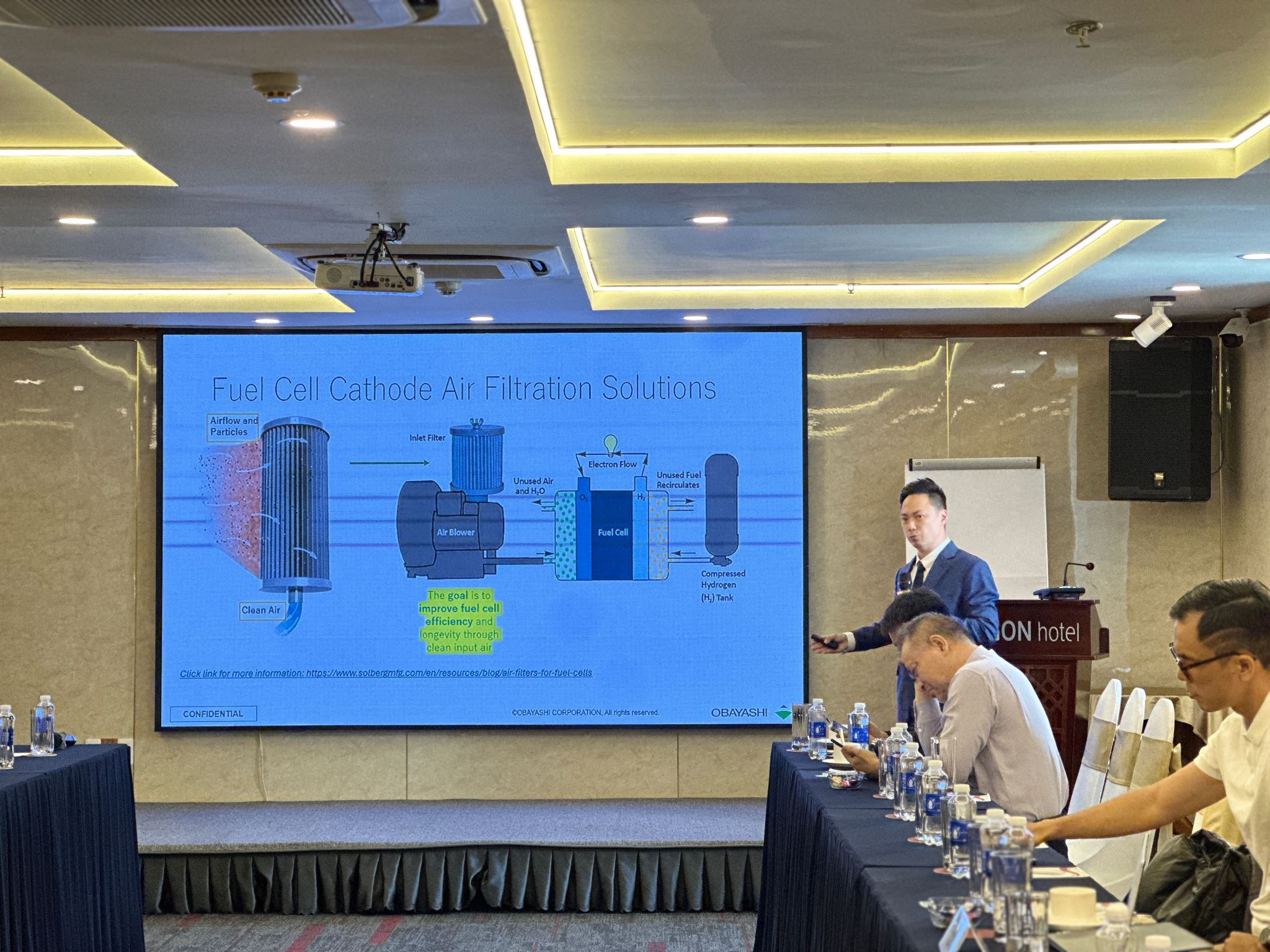
Proton Exchange Membrane (PEM) fuel cells – the most common type today – operate based on the electrochemical reaction between hydrogen (at the anode) and oxygen from air (at the cathode). However, the quality of the incoming air at the cathode directly affects fuel cell efficiency and longevity.
The main goal of Solberg’s proposed filtration solution is:
To improve fuel cell efficiency and extend lifespan through clean incoming air.
If the air contains contaminants (dust, gaseous chemicals, mists, solvent vapors, etc.), the membrane can be poisoned, reducing its proton conductivity and causing irreversible damage.
2. Types of Contaminants Captured by Solberg Filters
Solberg classifies contaminants in incoming air into five main groups that their filters can handle:
| Contaminant Type | Characteristics | Examples |
|---|---|---|
| Particulate | Solid-state material that needs removal from the air stream | Dust, debris, abrasive particles |
| Liquid | Freely flowing substance, can be water or oil | Condensed water, lubricating oil |
| Vapor | In gaseous state but normally liquid or solid at ambient conditions | Water vapor, solvent vapors, oil vapors |
| Gas | Exists in gaseous state even at room temperature | Nitrogen oxides, sulfur dioxide, benzene, ammonia, VOCs, hydrocarbons |
| Aerosol | Tiny liquid droplets suspended in air, may appear as "smoke" | Oil mist, vacuum pump discharge mist |
Each contaminant type requires a different filtration mechanism, from conventional particulate filtration to adsorption using activated carbon or zeolite.
3. Solberg Filtration Technologies for Fuel Cells
3.1. Vapor & Gas Adsorption Media
Solberg offers two main forms:
-
Loose Granulate Activated Carbon:
Suitable for high contaminant concentrations, long service life, and large air volumes. Can be regenerated (zeolite) for certain vapor types. -
Carbon-Impregnated Nonwoven Fabric:
Pleated design, low pressure drop, high efficiency due to small particle size. Minimizes downstream carbon dusting – ideal for gas filtration.
Both types are tested according to ISO 11155-2 for adsorption performance.
3.2. Particulate Media
Selection is based on:
-
Concentration, size, and shape of particles
-
Abrasiveness and stickiness
-
Chemical composition and reactivity

3.3. Flexible Product Configurations
Solberg provides:
-
Filter Elements – loose components for integration into existing systems
-
Complete Filter Assemblies – ready-to-install units, already applied in real-world cases such as:
-
Hyster forklifts (USA)
-
Marine applications (inlet filter for ships)
-
4. Real-World Applications and Benefits
At the workshop, Mr. Gary showcased actual images of complete Solberg filter assemblies installed on Hyster hydrogen forklifts as well as on marine vessels. These applications demonstrate:
-
Robust operation in harsh industrial environments
-
Easy maintenance and filter element replacement
-
Compact design suitable for space-constrained vehicles or ships
Quantifiable benefits:
Reduced performance degradation by removing corrosive gases (SO₂, NOx) and solvent vapors.
Extended PEM membrane life, lowering operating and replacement costs.
5. Connection to the Semiconductor Supply Chain and Hydrogen in Vietnam
As Vietnam is developing its hydrogen ecosystem and semiconductor supply chain, controlling gas purity is critical not only for fuel cells but also for chip manufacturing (requiring inert, clean gases at ppb levels). Solberg’s filtration technology – capable of removing solid particles, toxic gases, and vapors – can contribute to:
-
Backup hydrogen power generators for semiconductor plants
-
Hydrogen forklifts and trucks in clean industrial zones
-
Inlet air filtration for PEM fuel cell generators in high-tech parks
6. Key Messages from Solberg at the Workshop
At the conclusion of the presentation, Mr. Gary emphasized:
-
Cathode air filtration is not an option but a requirement for fuel cell systems operating in urban, industrial, or coastal environments (where humidity, salt spray, and SO₂ from ships are present).
-
Solberg is ready to cooperate with system integrators, fuel cell manufacturers, and factories in Vietnam to design custom filtration solutions that meet the tropical monsoon climate standards.
“We don’t just sell filters – we provide solutions to protect the heart of the fuel cell: the PEM membrane.”
Reference Materials from Solberg
-
Detailed blog on air filtration for fuel cells:
Air Filters for Fuel Cells – Solberg Mfg -
Fuel cell product spotlight:
Fuel Cell Product Spotlight
This article is prepared based on the presentation file of Solberg Manufacturing (December 2025) and the workshop agenda of the Vietnam ASEAN Hydrogen Club held on April 10, 2026.